This video reviews ten firearms suitable as truck guns for 2026, emphasizing versatility, compactness, and firepower. It highlights AR pistols like the Wilson Combat ARP for their adaptability in various calibers, and pistol caliber carbines such as the CZ Scorpion Evo 3 S1 and Kel-Tec Sub2000 CQB for their concealability and common ammunition. Shotguns like the Kel-Tec KS7 and SP12 Compact are presented for their close-range effectiveness, while AR-pattern platforms like the Bear Creek Arsenal AR10 pistol in 8.6 BLK and the Smith & Wesson Response offer modern features and modularity. The Ruger LC Carbine in .45 ACP and the Black Aces Tactical Pro Series L lever-action shotgun are noted for their practicality and unique designs. The Sig P320 Flux Legion package is showcased as an integrated pistol-caliber carbine system.
This video analyzes a Trump-era DOJ lawsuit against Washington D.C.'s semi-automatic rifle ban, focusing on its potential to reshape AR-15 laws nationwide. The lawsuit challenges the ban by arguing AR-15 style rifles are commonly owned and protected under the Second Amendment, leveraging a federal civil rights statute typically used for police misconduct. This strategy could provide a blueprint for challenging similar bans in states like California, Illinois, New York, and Maryland, potentially leading to broader legal battles and even Supreme Court review.
Harmeet Dhillon, Assistant Attorney General for Civil Rights, discusses the DOJ's stance on Second Amendment lawsuits and gun control measures. She highlights concerns about Virginia's proposed radical gun bills, including potential bans on semi-automatic firearms and manufacturer liability, which she argues conflict with federal law. Dhillon also touches on the legal precedent set by Heller and Bruen, emphasizing that firearms in common use, like the AR-15, are presumptively legal. The conversation also includes a personal anecdote about firearms training and the importance of encouraging women in self-defense.
This video details how specific firearm configurations, including AR-15s, AKs, tactical pistols, tactical shotguns, AR pistols, and 80% builds, are facing increased legal restrictions in various US states heading into 2026. It highlights new state laws and effective dates that impose training requirements, ban sales, or redefine prohibited features, making ownership more complex and potentially illegal depending on the state and firearm's specific configuration.
This guide outlines seven essential firearms for a zombie apocalypse scenario, emphasizing practicality, logistics, and reliability over aesthetics. The selections include a 16-inch AR-15 carbine in 5.56 NATO, a Glock 19 Gen 5 in 9mm, a 12-gauge pump shotgun, a .357 Magnum lever-action rifle, a .357 Magnum revolver, a 9mm PCC, and a suppressed .308 bolt-action rifle. Each choice is justified by its specific advantages in maneuverability, ammunition availability, shootability, and effectiveness in various survival situations.
This episode of Shark Coast Tactical podcast delves into the controversial pricing and marketing of Tier One Kinetics AR-15 rifles. The hosts critically analyze a rifle priced at over $3,000, deeming it a 'Frankenstein build' of quality parts that do not justify the cost compared to established high-end manufacturers. They highlight the company's defensive marketing tactics and the owner's claims of veteran status and direct customer service as insufficient justification for the price.
This video explains how the government can identify owners of specific firearms, particularly AR-15 style rifles, through a process called 'reverse tracing.' The speaker argues that while there isn't a direct gun registry, the ATF can obtain sales records from manufacturers, distributors, and licensed gun stores to track firearm ownership. The video connects this capability to potential future confiscation efforts, especially through federal red flag laws, and emphasizes the importance of understanding these mechanisms for Second Amendment rights.
This video covers Day 3 of the NRA Show 2026 in Houston, Texas, featuring interviews with attendees and showcasing new products. Key highlights include the Ace Virtual Shooting experience, discussions on Faxon Firearms' products, Fostech's 50 BMG, Sig Sauer's P320 Reserve, and the upcoming Goat Guns GP5 and musket. The event also touched upon suppressor technology advancements and the general atmosphere of the show.
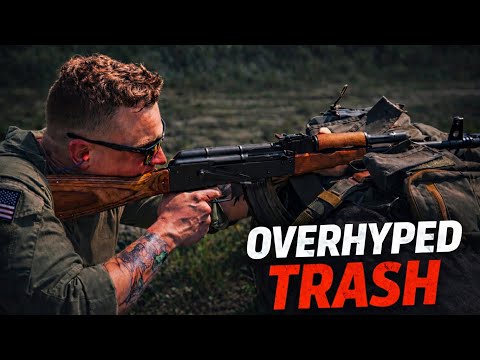
This video argues that the AK platform is an outdated and poor choice for new firearm owners in 2026, particularly in the United States. The presenter, Trench Grenade, cites higher ammunition costs for AK calibers (7.62x39mm and 5.45x39mm) compared to 5.56x45mm NATO, limited and often unreliable American AK market options, and significant disadvantages in modularity, accuracy, optics mounting, and suppressor compatibility when compared to the AR-15 platform. The presenter, drawing on personal experience and professional training, concludes that the AR-15 offers a more cost-effective, versatile, and user-friendly platform for most shooters.
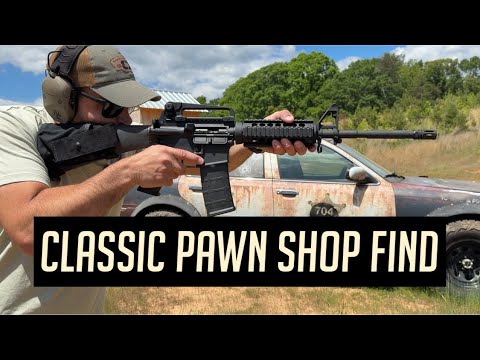
This video reviews a vintage Bushmaster XM15E2S found at a pawn shop. The presenter highlights its classic features like the quad rail, carry handle, and fixed A2 stock, appreciating the aesthetics and functionality of semi-vintage AR-15 setups. The firearm is noted for its reliable performance and smooth recoil impulse, attributed partly to the A2 stock, and the presenter expresses enthusiasm for retro builds and American manufacturing.
This video analyzes why certain firearm models are experiencing slow sales in 2026, attributing it to market shifts towards value and practicality over premium features or niche applications. High-priced AR-15s, tactical shotguns, premium 1911s, full-size metal frame pistols, and hunting rifles in less common calibers are identified as overstocked items. The analysis highlights that buyers are prioritizing cost-effectiveness, availability of ammunition, and suitability for common use cases like home defense or concealed carry over enthusiast-grade or specialized firearms.
This video from Brownells, featuring Caleb, explores the optimal zero distances for an AR-15, primarily for competition use. It analyzes four common zero distances: 25, 36, 50, and 100 yards, detailing their impact zones on an IPSC A-zone target at various ranges. The instructor emphasizes that the 'best' zero is dependent on the intended use of the firearm and the optic employed, recommending the 100-yard zero as a versatile option for experienced shooters, while suggesting 36 or 50 yards for those using red dots or LPVOs respectively, especially for closer engagements.
Gun Laws by State
Read firearms regulations for all 50 states + D.C.
Find Gun Dealers
Search licensed FFL dealers near you.