This video emphasizes the importance of a well-rounded training approach for prepared citizens and professionals, advocating for the integration of both competition and tactical shooting skills. The speaker, from Barrel & Hatchet, argues against rigidly adhering to one discipline, highlighting that neglecting either can lead to critical skill gaps. The content stresses that true preparedness involves continuous learning, incorporating tactics, marksmanship, survival, and medical skills, rather than getting caught up in internet drama between different training camps.
This video explores the utility of helmets for civilians, particularly in training and night vision applications. It differentiates between ballistic and bump helmets, highlighting bump helmets as a practical choice for impact protection and mounting accessories. The presenter details their personal Hard Head Veterans AT bump helmet setup, including M-LOK rails, Peliator adapters for Howard Leight ear protection, a Krydex Mohawk battery pouch, and various lights, emphasizing hands-free operation and modularity.
This video demonstrates a close-quarters battle (CQB) training scenario where a student's rifle unexpectedly engages full-auto fire, hitting the instructor. The footage highlights the intensity of force-on-force training, the importance of weapon familiarity, and the potential for unexpected outcomes even in controlled environments. The instructor, exhibiting an authoritative yet casual demeanor, provides immediate feedback and assessment.
This video showcases a high-intensity combat simulation focused on force-on-force defensive tactics training. A soldier, Taquita, demonstrates aggressive engagement using a training baton and hand-to-hand techniques against an instructor in a RedMan suit. The simulation highlights the importance of intensity and self-belief in realistic training scenarios, as observed by Nikko Ortiz.
This video from Instructor Mike demonstrates the critical importance of accounting for dynamic target movement during a high-stress encounter. Using a SIRT Training Pistol, the drill simulates a realistic street scenario where a target will not remain stationary. The slow-motion analysis highlights how perceived center mass shots can miss or hit unintended areas due to rapid target evasion.
This video explores the potential benefits and limitations of using airsoft for firearms training. While airsoft can offer valuable force-on-force scenarios for practicing movement, gear assessment, and basic tactics in a safe environment, it falls short in simulating critical aspects like recoil management, realistic engagement distances, and the true sense of urgency found in live-fire situations. The speaker emphasizes that airsoft should supplement, not replace, traditional firearms training with qualified instructors.
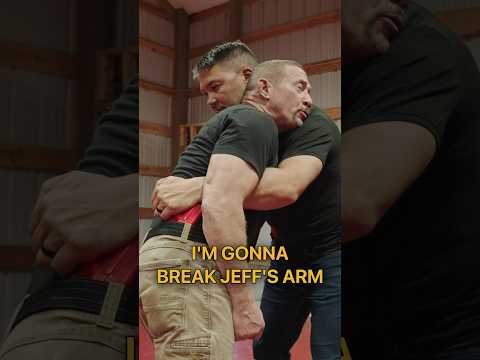
This instructional video demonstrates the 'elbow pin' technique for defending against a gun grab. The instructor emphasizes connecting the hand, gun, and hip to prevent weapon loss. The technique involves using body mechanics, including level changing and hip loading, to break the assailant's arm if necessary. The demonstration utilizes a Tenicor holster and a training pistol.
This two-day AMTAC Shooting Vehicle Carbine Course focuses on practical application of carbine skills in vehicle-centric scenarios. Day one involved live fire, covering functional zero, compressed fundamentals, and vehicle egress/cover fire drills. Day two utilized force-on-force with airsoft to simulate small unit tactics, flanking, and responses to ambushes and illegal checkpoints.
This video emphasizes the importance of seamless team movement in tactical scenarios, highlighting how extensive training fosters instinctive, nonverbal communication and trust. It suggests that prolonged exposure to high-pressure situations solidifies team cohesion, enhances problem-solving, and ultimately strengthens the team's effectiveness. The description expresses gratitude for training with experienced individuals and encourages viewers to maintain professionalism, stay sharp, and consistently put in the work.
This episode of First Person Defender features Neil and Stephannie Weidner from Active Self Protection facing a simulated carjacking and hostage scenario. The video aims to demonstrate the rapid escalation of violent events and the critical decisions individuals may have to make in self-defense situations. It highlights the challenges of protecting loved ones under extreme duress, showcasing potential pitfalls and the speed at which danger can materialize. The series puts ordinary people into force-on-force scenarios to illustrate real-world threats and defensive responses.
This video from First Person Defender simulates a terrifying carjacking scenario where an unarmed individual, Shirley, must defend herself. Initially relying on pepper spray in a confined space, the scenario progresses to involve a firearm and quick training. The episode highlights the critical importance of preparedness, situational awareness, effective use of defensive tools (both less-lethal and lethal), and decision-making under pressure. It emphasizes the dangers of leaving a weapon unsecured in a vehicle and showcases the difference training can make in a real-world high-stakes situation.
This YouTube video features a force-on-force training scenario simulating an office ambush, highlighting a 'Fake Delivery Person' deception. The host, Michael, is placed under high stress to identify a threat and defend a colleague, mirroring active shooter situations. The episode breaks down his reactions, tactics, and emotional responses, analyzing what worked and what didn't to demonstrate how training impacts performance and mindset. It emphasizes self-defense readiness and understanding real-world dynamics.
Gun Laws by State
Read firearms regulations for all 50 states + D.C.
Find Gun Dealers
Search licensed FFL dealers near you.