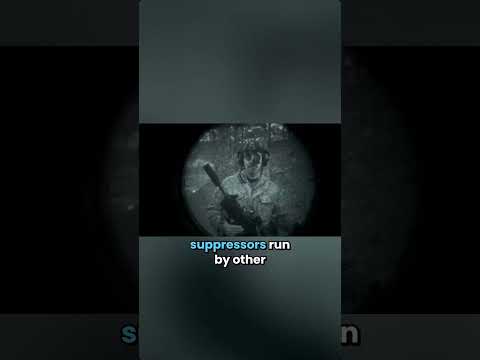
This video explores the infrared (IR) signature of suppressors when fired, a phenomenon often overlooked. Traditional suppressors can glow brightly in the IR spectrum, making them visible through night vision devices. The test aims to compare the IR visibility of an Ambient Arms suppressor against traditional models after a high-round-count stage in a shooting match.
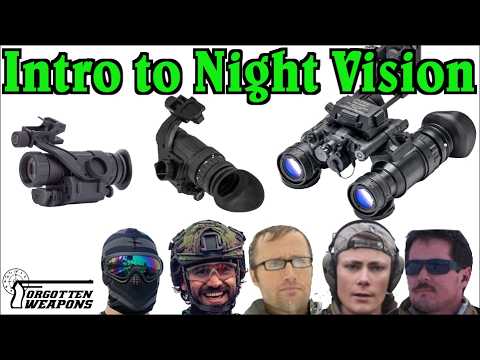
This Q&A session with night vision experts provides guidance for beginners looking to enter the world of night vision. Key recommendations include prioritizing analog PVS14 units for their value and performance, avoiding digital night vision for serious use, and understanding the importance of good glass quality over high FOM. The discussion also covers entry-level budget options, DIY setups, and practical considerations for shooting and gear integration.
This video demonstrates how to overcome darkness using a combined night vision and thermal imaging setup. The Armasight Sidekick, featuring a PVS14 and a thermal sidekick, allows users to see heat signatures and detailed low-light imagery. It's presented as a solution for identifying wildlife and potential threats in pitch-black conditions.
This video highlights the significant drawbacks of older PVS14 mounting solutions, primarily their instability, lack of adjustability, and high stow position, which degrade the user experience. It advocates for modern mounts, such as the RJ Arm, that offer reduced wobble, adjustable height and distance, and a lower stow profile, leading to a vastly improved and more stable night vision operational capability.
This video provides an in-depth review of the Infrared Micro RH25 V2, a 4-in-1 thermal device. It details its performance as a clip-on optic, handheld scanner, helmet-mounted unit, and dedicated optic. The review highlights its modularity, thermal capabilities at distance, and the complex digital collimation process required for clip-on use. The presenter, Kyle from 4MR Ranch, offers practical insights into its value proposition, especially for those prioritizing modularity and helmet-mounting.
This guide details critical maintenance and handling mistakes to avoid with night vision devices, specifically the PVS14. It emphasizes covering lenses to prevent light damage and removing batteries to avoid accidental activation and corrosion. The instructor also advises against sharing valuable night vision equipment to maintain a tactical advantage.
This video details the Falcon Claw thermal overlay, an accessory designed to enhance night vision devices by projecting thermal signatures. It explains how the overlay works, its benefits in various scenarios (urban, indoor, outdoor), and its limitations compared to dedicated thermal imagers. The guide covers installation, operation, and advanced features, emphasizing its role in improving situational awareness and passive detection capabilities.
This video provides an update on the Warhammer Armaments Field Deployment Pouch, now featuring EMP protection via an integrated Faraday insert. The pouch is designed for sensitive electronics like night vision devices and thermal optics, offering robust protection. The presenter demonstrates its effectiveness by placing a phone inside, sealing it, and showing it becomes unreachable, then removing it and confirming it rings again. A limited-time promotion is also announced.
This review covers the Cold Harbor Supply GRE X NVG Recorder, a device designed to record footage through night vision optics like PVS14s and DTNVS. The presenter, Ivan from Kit Badger, details its mounting system, operation, and limitations. While offering a unique perspective of what the user sees through NVGs, the recorder has some drawbacks including potential accidental activation and an auto-record feature when plugged in for charging. Despite these issues, it's considered a valuable tool for training and content creation.
This guide details the setup of a Ballistic Armor Co. Bastion tactical helmet, focusing on integrating night vision, electronic hearing protection, and accessories. The presenter emphasizes comfort, American manufacturing, and Level IIIA ballistic protection. Key components include a PVS14 with a Wilcox G24 mount, modified Sordin Supreme Pro X EarPro attached via ARC rails, an Obscure counterweight system, and a Streamlight Sidewinder illuminator.
This video argues against the necessity of night vision devices (NVDs) for the average firearms enthusiast, citing high costs, limited practical returns, and significant drawbacks. The speaker, drawing on personal experience with PVS14 and PVS31 units for work, highlights the steep learning curve, discomfort, and potential for obsolescence of NVD technology. Instead, the video advocates for investing in ammunition, training, and more practical gear.
This video compares three nighttime shooting setups, ranging from budget-friendly to more expensive options. It details the components and approximate costs of each setup, highlighting the trade-offs between affordability and performance in low-light conditions.
Gun Laws by State
Read firearms regulations for all 50 states + D.C.
Find Gun Dealers
Search licensed FFL dealers near you.