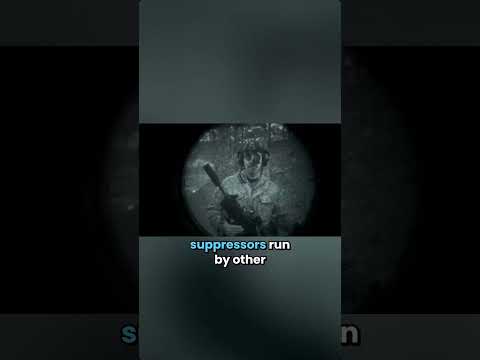
This video explores the infrared (IR) signature of suppressors when fired, a phenomenon often overlooked. Traditional suppressors can glow brightly in the IR spectrum, making them visible through night vision devices. The test aims to compare the IR visibility of an Ambient Arms suppressor against traditional models after a high-round-count stage in a shooting match.
This video provides a direct comparison between an extremely budget-friendly $10 digital night vision device from Temu and a professional $10,000 analog night vision setup. The host, identified as an established tactical gear reviewer, highlights significant differences in performance, particularly concerning the visible IR signature of the budget unit and the superior real-time image quality of the professional analog system. The review emphasizes the trade-offs between cost and capability in night vision technology.
This video appears to be a discussion or comparison between optical brighteners and NIR compliant clothing, using Tide Pods as a somewhat humorous and attention-grabbing example of something that might affect NIR compliance. The content likely delves into the technical aspects of how different clothing materials and treatments interact with near-infrared (NIR) light, which is relevant for camouflage and military applications. The hashtag #dirtycivilian suggests a focus on practical, perhaps tactical or outdoor, use cases for the clothing.
This guide, drawing from an expert with high authority, explains the tactical disadvantages of black rifles in various environments. It details how rifle color selection, such as OD Green for the Midwest and Tan/FDE for mountains/deserts, significantly impacts visibility. The instruction also highlights the critical issue of black rifles being easily spotted under night vision due to IR signatures.
This video provides an expert-level breakdown of signature reduction techniques, emphasizing how modern equipment can inadvertently compromise a tactical position. The hosts, demonstrating high authority with empirical visual evidence, cover shape, shine, shadow, sound, and signal, offering practical solutions like helmet scrim, light caps, and passive ranging cards. They highlight the critical importance of electronic light discipline and managing RF signatures in modern conflicts.
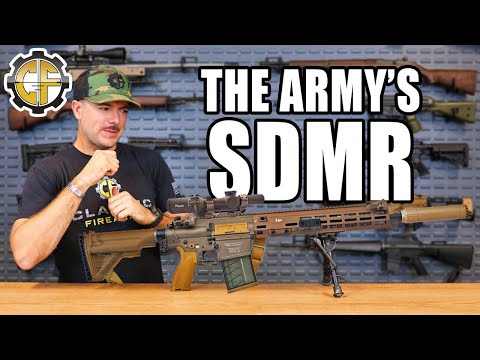
This video provides an expert-level overview of the H&K M110A1, the US Army's current Designated Marksman Rifle (DMR) and Compact Semi-Automatic Sniper System (CSASS). The presenter, Clint, details its design philosophy, technical specifications, and operational advantages over previous platforms. The content emphasizes its role in modern warfare, its specific components like the Sig Sauer optic and HuxWrx suppressor, and its unique features for low-observable operations.
This review covers the NC Star chest rig, identified as the cheapest option on Amazon meeting specific criteria (50+ reviews, 4+ star rating, magazine capacity). The instructor highlights its budget-friendly nature, costing under $30, and discusses its utility as a secondary or tertiary gear option. Key features include adjustable straps, multiple pouches for magazines and administrative items, and compatibility with hydration systems, though it lacks armor protection and is not made of high-end materials like Cordura.
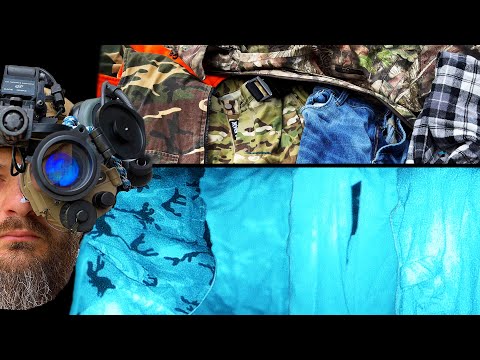
This video explores how different clothing materials and treatments interact with night vision devices, focusing on IR reflectance and UV enhancers. The instructor, using a Gen 3 white phosphor PVS-14, demonstrates how fabric weave, composition (organic vs. synthetic fibers), pigments, and the presence of UV enhancers in detergents significantly impact visibility under night vision. The findings suggest that tightly woven, synthetic materials and clothing washed with standard detergents containing UV enhancers create brighter signatures, making them less suitable for low-light concealment.
This video explores how different paints and materials interact with infrared (IR) light, a critical consideration for night vision operations. The presenter tests various spray paints and discusses how surface treatments can create distinct signatures under IR illumination. The findings highlight that not all black paints perform equally, and understanding material reflectivity is key to effective camouflage in low-light conditions.
You've reached the end! 9 videos loaded.
Gun Laws by State
Read firearms regulations for all 50 states + D.C.
Find Gun Dealers
Search licensed FFL dealers near you.