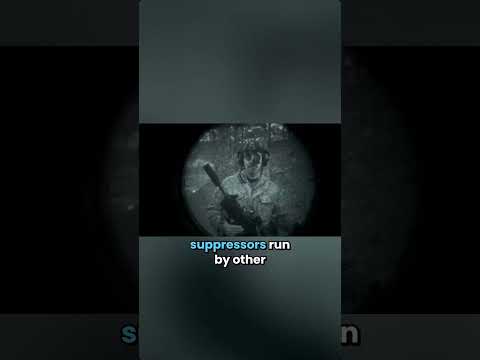
Best Clothing for Hiding from Night Vision

Published on June 20, 2021
Duration: 14:19

This video explores how different clothing materials and treatments interact with night vision devices, focusing on IR reflectance and UV enhancers. The instructor, using a Gen 3 white phosphor PVS-14, demonstrates how fabric weave, composition (organic vs. synthetic fibers), pigments, and the presence of UV enhancers in detergents significantly impact visibility under night vision. The findings suggest that tightly woven, synthetic materials and clothing washed with standard detergents containing UV enhancers create brighter signatures, making them less suitable for low-light concealment.

Quick Summary

Clothing's visibility under night vision is primarily determined by its fabric weave, composition (organic vs. synthetic), pigments, and the presence of UV enhancers from detergents. UV enhancers significantly increase light reflection, making garments brighter and less concealable. For better concealment, opt for clothing with a looser weave, organic fibers, and ensure it's washed with detergents free of UV enhancers.

Chapters

  1. 00:00Introduction and Disclaimer
  2. 00:48Night Vision Equipment Setup
  3. 01:06Testing Conditions and Methodology
  4. 01:54Challenges in Obtaining New Clothing Samples
  5. 02:34Sponsor: Max Arms
  6. 04:05Key Factors for Night Vision Performance
  7. 05:55T-Shirt Performance Analysis
  8. 06:18Pants Performance Analysis (Jeans & Tactical)
  9. 07:06Gym Shorts and Sweatpants Comparison
  10. 07:14Belt Material Reflectance
  11. 07:28Hat Performance Analysis
  12. 07:45Jacket Performance Analysis
  13. 08:36Other Items: Towels and Bags
  14. 09:13Theories: Weave, Composition, Pigments
  15. 11:18Theories: UV Enhancers
  16. 12:19Preparation: Removing UV Enhancers
  17. 13:32Future Video Ideas and Call to Action

Frequently Asked Questions

What are the main factors affecting how clothing appears under night vision?

The primary factors are the fabric's weave, its composition (organic vs. synthetic fibers), the pigments used, and crucially, the presence of UV enhancers from detergents. These elements influence how light, particularly IR light, is reflected or absorbed by the material.

How do UV enhancers in detergents impact night vision concealment?

UV enhancers are compounds that boost a clothing's color signature by reflecting more light. This makes garments washed with standard detergents appear significantly brighter and more visible under night vision, hindering concealment efforts.

Which fabric types are generally better for hiding from night vision?

Organic fibers like cotton tend to scatter light better than synthetics, and a looser weave with more depth can absorb light. However, tightly woven synthetics can be highly reflective, and the absence of UV enhancers is critical for effective concealment.

What is the best way to prepare clothing for better night vision concealment?

To minimize UV enhancers, wash clothing multiple times in hot water with a detergent specifically free of UV enhancers. Outdoor drying can also help degrade these compounds through exposure to heat, light, and oxygen.

Related News

All News →

More Tactical & Gear Videos You Might Like

More from The VSO Gun Channel

View all →