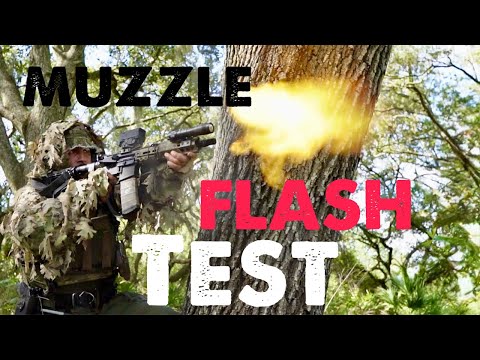
This guide details a cost-effective method for thermal signature reduction using a readily available gardening veil, as demonstrated by FalconClaw. The technique involves using the veil to break up heat signatures, making individuals less detectable by thermal optics. For enhanced concealment, combining the veil with a rainproof tarp is recommended for tactical applications. The speaker, with clear expertise indicated by references to military service and practical demonstrations, presents this as a practical and affordable solution.
This video details a personal defense weapon (PDW) build centered around a Zenith ZF-5K MP5 clone, configured as a 'truck gun.' The host, Eric, emphasizes its utility for potential large-scale attacks and discusses tactical considerations for public spaces. The build features a Griffin Armament Revolution 9 suppressor, Midwest Industries handguard, A3 Tactical brace, and a Lee Sporting lower for AR-style controls, all chambered in 9mm for ammo compatibility and reduced over-penetration.
This video tests a standard cotton mesh scarf's effectiveness against thermal imaging in a woodland environment. At 10, 50, and 100 meters, the mesh significantly reduces and breaks up the thermal signature, especially when doubled over. While it doesn't provide full concealment, it's a valuable addition to camouflage for reducing signature.
Choosing a rifle suppressor involves understanding use cases: 'Hard Use' demands durability (Inconel/Stainless Steel), while 'Soft Use' prioritizes weight (Titanium). Back pressure management is crucial to prevent malfunctions and reduce gas blowback, with flow-through designs offering a solution. Barrel length impacts suppression effectiveness, and mounting systems like HUB offer versatility.
This YouTube Short focuses on the tactical considerations of firearm handling from cover, specifically balancing mobility, stability, and minimizing signature. While the video's content is not fully described without a transcript, the title suggests a discussion on shooting positions and techniques that optimize a shooter's ability to engage targets while remaining as concealed as possible, a crucial aspect of tactical and self-defense scenarios.
This video explores the practical applications of 3D printing in the firearms industry, moving beyond initial skepticism. It highlights functional accessories like ergonomic magwell extensions and magnifier covers from HRF Concepts, and signature reduction devices such as the LightCap and HexCap from 100 Concepts. While 3D printing has limitations in achieving fine details like traditional honeycomb kill flashes, it enables niche manufacturers to innovate specialized tactical gear.
This video details signature reduction techniques across five categories: Shape, Shine, Shadow, Sound, and Signal. It highlights how modern gear like smartphones and IR-reflective patches can compromise a position, offering solutions such as helmet scrim, specialized lens caps, and passive ranging cards. Effective signature reduction requires meticulous attention to detail in both equipment and movement to avoid detection by high-tech and low-tech adversaries.
Suppressors offer significant benefits including hearing protection, recoil reduction, and reduced visual signature (muzzle flash, dust). While facing a $200 NFA tax stamp and legal hurdles, they enhance shooting comfort and situational awareness for various applications from sniping to home defense. Direct impingement AR systems may experience increased gas blowback.
You've reached the end! 8 videos loaded.
Gun Laws by State
Read firearms regulations for all 50 states + D.C.
Find Gun Dealers
Search licensed FFL dealers near you.