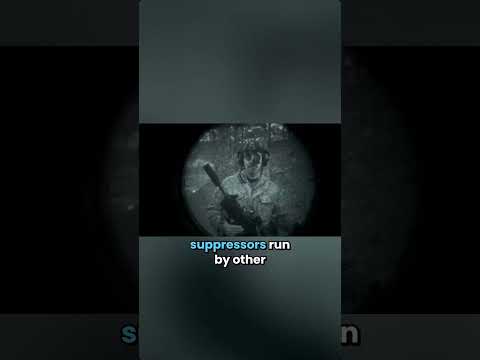
Signature Reduction 101 | How Modern Equipment Can Compromise You

Published on March 23, 2024
Duration: 38:00

This video provides an expert-level breakdown of signature reduction techniques, emphasizing how modern equipment can inadvertently compromise a tactical position. The hosts, demonstrating high authority with empirical visual evidence, cover shape, shine, shadow, sound, and signal, offering practical solutions like helmet scrim, light caps, and passive ranging cards. They highlight the critical importance of electronic light discipline and managing RF signatures in modern conflicts.

Quick Summary

Signature reduction involves minimizing detectability across five categories: Shape, Shine, Shadow, Sound, and Signal. Modern gear like smartphones pose risks through IR emissions and RF pings, while passive ranging is preferred over detectable laser rangefinders. Expert instruction emphasizes practical techniques like using helmet scrim and light caps.

Chapters

  1. 00:00Introduction to Signature Reduction
  2. 02:31Shape and Silhouette Camouflage
  3. 10:20Shine and Reflectivity Mitigation
  4. 13:20Electronic Light Discipline (Smartphones)
  5. 19:06Optics and Lenses Reflection Control
  6. 22:24Passive Ranging vs. Active Lasers
  7. 26:25Sound and Movement Discipline
  8. 29:31Signal and Electronic Warfare Threats

Frequently Asked Questions

What are the five main categories of signature reduction?

The five main categories of signature reduction are Shape (silhouette), Shine (reflection), Shadow (visual concealment), Sound (auditory discipline), and Signal (electronic/RF emissions). Understanding these helps minimize detectability.

How can smartphones compromise a tactical position?

Smartphones can compromise positions by emitting IR light (e.g., for FaceID), screen glow, and constant RF pings. Even when 'off,' features like FaceID can make users visible under night vision.

What is passive ranging and why is it important?

Passive ranging is estimating distance without emitting signals, using tools like ranging cards and reticle subtensions. It's crucial for signature reduction as active laser rangefinders can be detected and draw enemy fire.

How can gear reflectivity be reduced?

Gear reflectivity is reduced by avoiding IR-reflective patches, covering shiny surfaces like watches, using matte finishes, and employing lens covers (kill-flashes) on optics and lights.

Related News

All News →

More Tactical & Gear Videos You Might Like

More from Dirty Civilian

View all →