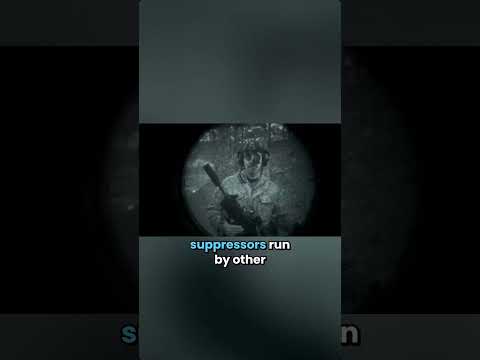
Signature Reduction 101 | How Modern Equipment Can Compromise You

Published on March 23, 2024
Duration: 38:00

This video details signature reduction techniques across five categories: Shape, Shine, Shadow, Sound, and Signal. It highlights how modern gear like smartphones and IR-reflective patches can compromise a position, offering solutions such as helmet scrim, specialized lens caps, and passive ranging cards. Effective signature reduction requires meticulous attention to detail in both equipment and movement to avoid detection by high-tech and low-tech adversaries.

Quick Summary

Signature reduction involves managing Shape, Shine, Shadow, Sound, and Signal. Modern gear like smartphones and IR-reflective patches can compromise your position. Solutions include using helmet scrim, specialized lens caps, face paint, and practicing sound discipline.

Chapters

  1. 00:00Introduction to Signature Reduction
  2. 02:31Shape and Silhouette Mitigation
  3. 10:20Shine and Reflectivity Control
  4. 13:20Electronic Light Discipline (Smartphones)
  5. 19:06Optics and Lens Reflection Solutions
  6. 22:24Passive Ranging vs. Active Lasers
  7. 26:25Sound and Movement Discipline
  8. 29:31Signal and Electronic Warfare Threats

Frequently Asked Questions

What are the five categories of signature reduction discussed in the video?

The video breaks down signature reduction into five key categories: Shape, Shine, Shadow, Sound, and Signal. Each category addresses a different way a person or their equipment can be detected by adversaries.

How can modern smartphones compromise operational security?

Smartphones are a major liability because even when 'off,' they can emit IR light for features like FaceID, and their screens glow even on the lowest setting, both of which are visible under night vision.

What are effective ways to reduce shine and reflectivity?

To reduce shine, use face paint or balaclavas, cover watches, and employ specialized lens caps or 'kill-flash' devices on optics to prevent light reflection.

Why is passive ranging preferred over active lasers for distance estimation?

Active laser rangefinders emit a signal that can be detected by enemy sensors, potentially leading to counter-fire. Passive ranging uses reticle subtensions and known target sizes to estimate distance without emitting any detectable signal.

Related News

All News →

More Tactical & Gear Videos You Might Like

More from Dirty Civilian

View all →