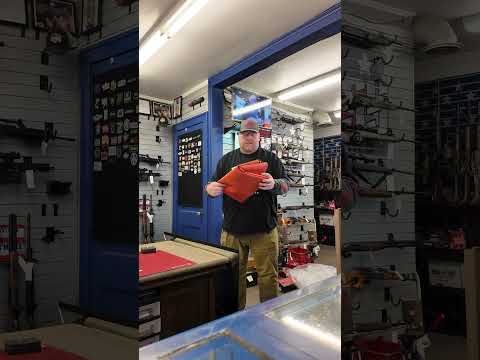
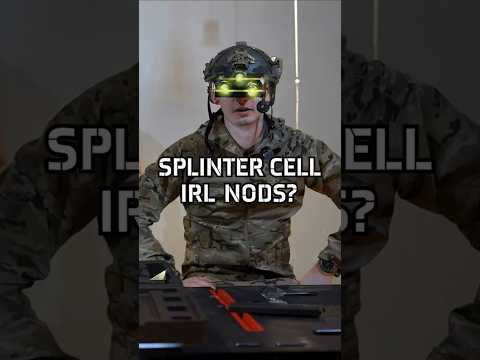
This video demonstrates how to significantly reduce the noise signature of an AK-pattern rifle by attaching a specialized suppressor and using subsonic ammunition. The technique involves manually cycling the bolt after each shot, mimicking the quiet operation of a bolt-action rifle. This modification creates a much more discreet and stealthy shooting platform.
This video details the construction and testing of an underground anti-thermal hide site designed to evade detection by thermal drones and optics. The creators emphasize the importance of integrating man-made materials with natural camouflage, using Myar insulation, and creating structural integrity. The exercise highlights that effective hiding relies on understanding the environment and bushcraft principles, often outperforming advanced technology when applied correctly. The hunters struggled to locate the well-camouflaged hide, demonstrating the effectiveness of the techniques employed.
This guide details how various common items, including standard supermarket umbrellas, a compact tactical umbrella, and hunting blinds, can effectively block thermal signatures. The demonstration uses a thermal camera to show complete blockage, highlighting practical applications for stealth and counter-surveillance. Transparent umbrellas were noted as ineffective.
This guide details how to test DIY winter camouflage for Near Infrared (NIR) compatibility using night vision and thermal imaging. It explains how NIR reflection can make camouflage appear white and how thermal imaging detects heat signatures regardless of visual concealment. The content is presented by an experienced instructor, offering practical field testing insights.
This video demonstrates the effectiveness of various common household items in obscuring a human heat signature when viewed through a Nocpix VISTA S50R thermal monocular. Expert instruction from D'Boss Firearms shows that materials like blankets, tarps (Mylar side), cardboard, and mirrors can effectively block thermal detection, while bubble wrap and plastic bags are insufficient. The guide emphasizes the importance of avoiding direct body contact with obscuring materials to prevent heat transfer.
This guide, drawing from an experienced instructor, details how to effectively use a military poncho as a thermal camouflage countermeasure. It emphasizes that while ponchos retain heat when worn directly, they can serve as an effective screen when positioned away from the body. The core principle highlighted is minimizing movement, as it's the primary giveaway in any camouflage scenario.
This video demonstrates a novel technique using a cardboard box for concealment, particularly effective against thermal detection. The presenter highlights its utility for infiltration missions, emphasizing that successful execution hinges on proper deployment. While presented in an entertaining manner, the core concept focuses on using improvised cover to fool enemy observation, including thermal imaging.
This guide details how to assess the visibility of night vision goggle (NVG) glow at various distances, from 5 to 35 meters, based on expert experience. It covers detection in different environments, the importance of auto-shutoff features, and practical considerations like lens fogging versus glow mitigation. The insights are derived from a presenter with high authority, likely from military or tactical service, emphasizing practical application and gear trade-offs.
This guide details essential stealth techniques for duck hunting, emphasizing that unnatural movement is a primary reason for missed opportunities. It advises hunters to remain still, keep eyes forward, and let birds finish their approach. The strategy also includes designating spotters for group hunts to maintain collective stillness until the opportune moment.
This video demonstrates advanced tactical techniques for managing thermal signatures, particularly focusing on suppressor heat. The FalconClaw team, recognized experts in European defense, showcase how suppressor covers can effectively mask a rifle's heat bloom, crucial for maintaining stealth during night operations. The content highlights practical applications of thermal optics and signature reduction methods for operators.
This review from FalconClaw critically examines a budget digital night vision device, highlighting its limitations in practical field use. The instructor notes issues with button illumination, extreme zoom hindering navigation, and the IR illuminator's potential to compromise stealth. Ultimately, the assessment suggests that for the price, high-quality tactical flashlights may offer superior value and effectiveness.
This guide outlines how to assess digital night vision binoculars for tactical applications, focusing on features like zoom, IR illuminator effectiveness, and critical light discipline issues. The review highlights significant drawbacks such as excessive light spill from the screen and IR, making the user highly visible to others with night vision, and suggests the device is more akin to a flashlight than a covert observation tool. It emphasizes the importance of understanding a device's limitations in real-world scenarios.
Gun Laws by State
Read firearms regulations for all 50 states + D.C.
Find Gun Dealers
Search licensed FFL dealers near you.