This guide details how various common items, including standard supermarket umbrellas, a compact tactical umbrella, and hunting blinds, can effectively block thermal signatures. The demonstration uses a thermal camera to show complete blockage, highlighting practical applications for stealth and counter-surveillance. Transparent umbrellas were noted as ineffective.
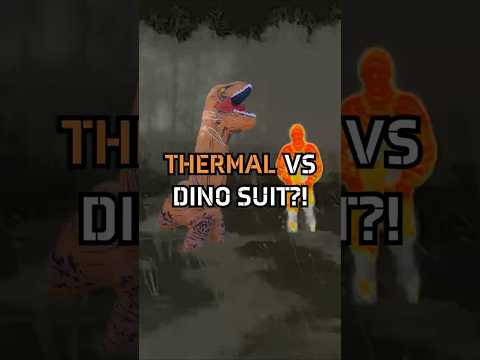
This video from FalconClaw explores the effectiveness of an inflatable T-Rex costume for thermal concealment. Despite the entertaining premise, the test conducted in a snowy outdoor field demonstrated that the suit, even with an internal air circulation pump, fails to mask a human's heat signature. The thermal imaging footage clearly showed the suit as a bright heat signature at 200 meters, concluding that such costumes are not viable for thermal evasion. The host, identified as FalconClaw Host, exhibited experienced authority in assessing thermal optics and cold environment contrast.
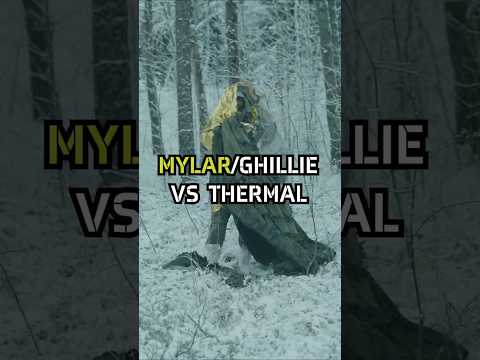
This video from FalconClaw tests a DIY thermal cloak constructed from Mylar, a woobie (poncho liner), and a ghillie suit. The presenter, demonstrating high authority in practical tactical concealment, found the cloak ineffective for direct body wear due to heat bleed-through, even with multiple layers. Its only viable application is as a stand-off blind, though it remains detectable from the sides. The setup is noisy and time-consuming, making it impractical for field use.
This video provides expert instruction from Michael Jones (former Air Force Special Warfare) and Preston (former Army Infantry) on two-man evasion and hide site operations in a fractured US scenario. Key takeaways include breaking contact, utilizing micro-terrain, electronic security, advanced movement techniques, and constructing thermal-defeating hide sites. The instruction emphasizes team coordination and advanced tactical principles for survival against professional military threats.
This video from Civilian Tactical tests seven methods for hiding from thermal weapon scopes, using a high-end DNT ThermNight 635R device. It evaluates the effectiveness of everyday items like umbrellas, smoke bombs, ponchos, and Mylar blankets, as well as natural methods like mud application and utilizing environmental conditions like peak heat. The most effective methods identified were mud application and a poncho combined with a head net, while smoke bombs were deemed least effective.
This video from FalconClaw tests the effectiveness of standard camouflage face paint against thermal imaging. The results show that face paint offers minimal thermal concealment. The presenter, demonstrating high expertise with thermal imaging technology, recommends using specialized gear like the Uvex Visor for effective thermal masking, highlighting its ability to significantly block heat signatures.
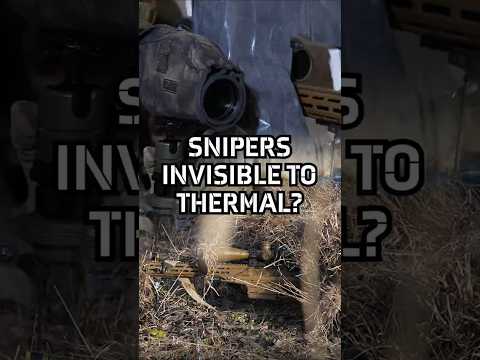
This guide, drawing from expert instruction by FalconClaw, details techniques for urban snipers to conceal their positions from thermal imaging. It emphasizes establishing a clear line of sight, using solid materials and light-blocking for thermal and visual camouflage, and employing simple tools for rapid setup. The importance of external testing with thermal equipment is highlighted for validating the hide's effectiveness.
This guide details advanced urban sniper position setup techniques focused on evading thermal detection, as demonstrated by Estonian sniper conscripts. It covers environmental assessment, material selection for concealment, creating effective loopholes, and optimizing for extended operations. The instruction emphasizes blending into the environment and understanding thermal optics principles for successful evasion.
This guide details an experiment to test the effectiveness of a basic forest shelter against thermal optics and drone surveillance. The FalconClaw presenters demonstrate how even simple shelters significantly reduce heat signatures, making occupants harder to detect from both ground and aerial perspectives. The experiment highlights the importance of advanced concealment techniques in tactical scenarios.
This guide details how to establish a hasty shelter for short-duration stays, focusing on defeating thermal detection. Professional tactical instructors from FalconClaw demonstrate techniques for utilizing natural concealment, specialized gear like the Tactical Tarp/Woobie, and quick-release knots for rapid egress. Key principles include creating an air gap for thermal masking and breaking up the shelter's silhouette with natural vegetation.
This guide details a two-layer concealment setup for snowy environments, combining a Mylar blanket and a woobie under snow camouflage. While visually effective, the setup is assessed for its significant thermal signature and high noise output. Instruction comes from FalconClaw, an experienced tactical gear reviewer, highlighting practical limitations and the ineffectiveness of such layers against thermal imaging.
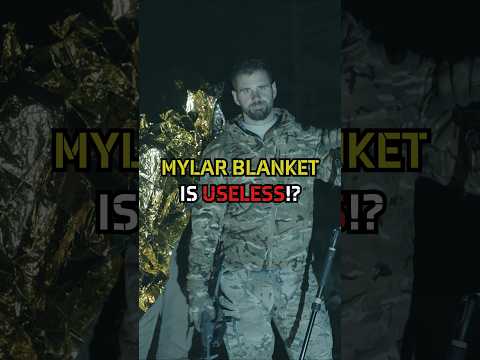
This video from FalconClaw debunks the common myth that Mylar blankets can effectively conceal a thermal signature from thermal optics. Through empirical testing in an outdoor rural field, the host demonstrates that Mylar blankets actually make a subject *more* visible to thermal imaging, failing to provide any thermal concealment. The tests were conducted at various distances, showing the blanket's ineffectiveness even when fully covering a subject.
Gun Laws by State
Read firearms regulations for all 50 states + D.C.
Find Gun Dealers
Search licensed FFL dealers near you.