Urban Sniper vs Thermal

Published on May 5, 2025
Duration: 1:27

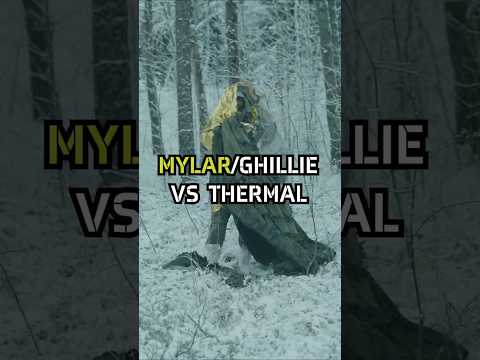
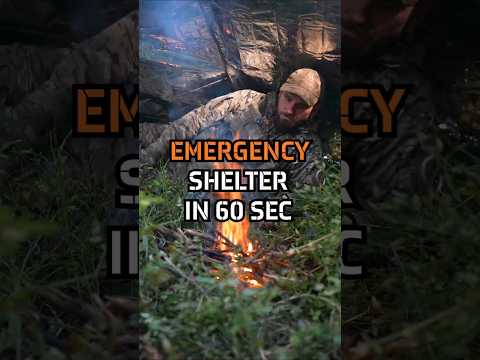
This content focuses on urban sniper hide construction and thermal countermeasures. Key takeaways include prioritizing the sector of fire, using simple materials like duct tape and staplers for concealment, and the importance of blocking thermal signatures with solid materials and blackout techniques. Testing the hide with thermal equipment from the outside is crucial for effectiveness.

Quick Summary

The first priority for an urban sniper position is the sector of fire. Effective thermal countermeasures include using solid materials to block sensors and blacking out the room. Simple tools like duct tape and a stapler are recommended for setup, which should remain unobtrusive.

Chapters

  1. 00:00Introduction to Urban Sniper Hiding
  2. 00:29Thermal Countermeasures Explained
  3. 00:52Essential Tools & Setup Time

Frequently Asked Questions

What is the first priority when setting up an urban sniper position?

The absolute first priority is the sector of fire. If the sniper cannot see the intended target area, the position is useless, regardless of how well it is concealed from observation or thermal imaging.

What simple tools are recommended for building an urban sniper hide?

The most important tools for setting up a basic hide are duct tape and a stapler. These allow for quick and effective construction of concealment materials.

How can a sniper effectively counter thermal imaging detection?

Effective thermal countermeasures involve placing a solid piece of material between the sniper and the thermal sensor. Blacking out the room to prevent light reflection also helps.

Why is it important to keep an urban sniper hide setup simple?

Keeping the setup simple and not making it obvious that a position is being built is crucial. An overly elaborate or conspicuous hide can draw unwanted attention from observers or surveillance.

Related News

All News →

More Tactical & Gear Videos You Might Like

More from FalconClaw

View all →