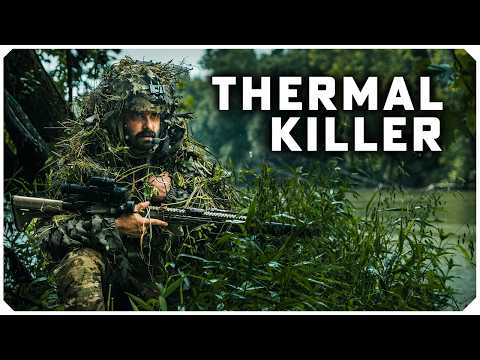
WE WERE WRONG!

Published on February 18, 2026
Duration: 0:20

This video from FalconClaw demonstrates the critical difference in thermal camouflage effectiveness between standard opaque umbrellas and clear plastic umbrellas. Through direct testing with thermal optics, the instructor, exhibiting experienced authority, shows that while opaque materials successfully block heat signatures, thin clear plastics are transparent to IR, rendering clear umbrellas ineffective for thermal concealment. The findings highlight the importance of material selection for tactical applications.

Quick Summary

Clear umbrellas are ineffective for thermal camouflage because their thin plastic material is transparent to thermal optics, allowing heat signatures to remain visible. Standard opaque umbrellas, however, successfully block thermal signatures, providing effective concealment.

Chapters

  1. 00:00Testing Thermal Signature of Umbrellas
  2. 00:04Clear Umbrella Thermal Test
  3. 00:10Plastic Material Comparison
  4. 00:16Thermal Camouflage Findings

Frequently Asked Questions

Do clear umbrellas block thermal signatures?

No, clear umbrellas do not block thermal signatures. The thin plastic material is transparent to thermal optics, allowing the heat signature of the person behind it to remain visible, unlike standard opaque umbrellas which effectively conceal heat.

What materials are transparent to thermal optics?

Thin plastics, similar to those found in shopping bags or clear umbrellas, are generally transparent to thermal optics. This means they do not effectively mask heat signatures, making them unsuitable for thermal camouflage.

How can I achieve thermal concealment?

To achieve thermal concealment, use materials that are opaque to infrared radiation, such as the fabric of a standard umbrella. Clear plastics and thin materials will not provide adequate protection against thermal imaging.

Related News

All News →

More Tactical & Gear Videos You Might Like

More from FalconClaw

View all →