This video explores the effectiveness and drawbacks of suppressing auto rifles, specifically AR-15 platforms, by testing accuracy, back pressure, heat mitigation, flash signature, and sound suppression. It highlights how suppressors can impact accuracy due to increased heat and mirage, increase back pressure leading to fouling and potential health concerns, and significantly alter thermal and IR signatures. The analysis suggests that while suppressors offer benefits like flash reduction, their use on auto rifles requires careful consideration of the specific suppressor technology and operational context.
This video provides a detailed comparison of various suppressor covers, from budget options to high-end models, evaluating their effectiveness in mitigating heat, reducing mirage, and protecting the suppressor's finish. It highlights the importance of selecting a heat-rated cover and discusses the trade-offs, such as added weight and heat retention, associated with their use. The testing demonstrates significant temperature differences between covered and uncovered suppressors.
This video from FalconClaw demonstrates the effectiveness of different umbrella types for thermal camouflage. An experienced instructor highlights that standard opaque umbrellas successfully block thermal signatures, while clear plastic umbrellas and plastic bags are ineffective due to their transparency to thermal optics. The testing emphasizes the importance of material selection for thermal concealment.
This expert analysis from FalconClaw details the effectiveness of thermal imaging for tracking human presence, particularly in snowy environments. The presenter, demonstrating high authority, highlights how thermal signatures from ski tracks remain visible for days, even with light snowfall and wind, and are easily distinguishable from animal tracks. Only significant heavy snowfall and wind over time can effectively obscure these thermal signatures from drone-mounted thermal cameras like the DJI Mavic 3T.
This video tests whether explosions can affect thermal vision, specifically using Firebird explosive targets and a Nokix Lumi L35 thermal scope. The experiment involved detonating both small and large explosive targets to observe their impact on the thermal camera's functionality. The findings indicate that even significant explosions did not disable the thermal optic.
This video explores the effectiveness of using hot water-filled bottles as thermal decoys to mask fighting positions in a trench line. The experiment demonstrates that both titanium and plastic bottles filled with hot water can create a thermal signature that mimics an occupied position, potentially drawing enemy observation away from actual personnel. The titanium bottle maintained its heat longer and presented a more convincing thermal signature.
This guide details how to use a mesh scarf for thermal signature management, based on field testing by FalconClaw. The presenter demonstrates its effectiveness at various distances (10m, 50m, 100m) using thermal imaging, highlighting its ability to break up the human shape and reduce heat signatures. While it enhances camouflage by reducing thermal visibility, it does not provide full concealment and its performance varies with temperature, being more effective in warm conditions.
This video provides an expert analysis from FalconClaw on the effectiveness of suppressor covers. The presenter, demonstrating high authority, uses thermal and night vision equipment to compare hard composite (Silent Steel) and soft textile (Cole-Tac) covers. The findings indicate that while covers don't eliminate thermal signatures, they are highly effective at masking visual glow for night vision operations and allow for safer handling after firing.
This video from FalconClaw demonstrates the ineffectiveness of wool blankets for concealing heat signatures from thermal imaging. Despite common suggestions, the speaker, exhibiting high authority through practical field testing with thermal equipment, shows that wool blankets retain and bleed heat, making them easily detectable at distances up to 250 meters. Even a wet blanket offers no improvement, concluding they are unsuitable for thermal signature reduction.
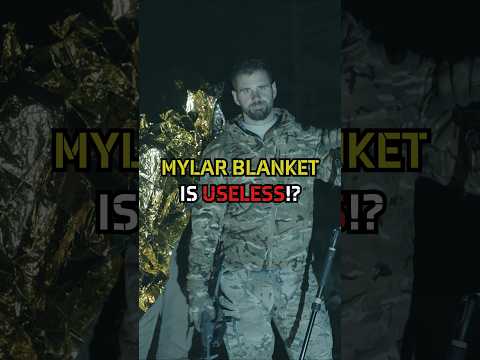
This video from FalconClaw debunks the common myth that Mylar blankets can effectively conceal a thermal signature from thermal optics. Through empirical testing in an outdoor rural field, the host demonstrates that Mylar blankets actually make a subject *more* visible to thermal imaging, failing to provide any thermal concealment. The tests were conducted at various distances, showing the blanket's ineffectiveness even when fully covering a subject.
This guide details setting up sleep systems for semi-permissive environments, drawing on expert advice for tactical considerations. It covers essential gear like bivy sacks, sleep pads, and ponchos, emphasizing versatility and rapid deployment. The instruction also addresses modern threats such as drone surveillance and thermal detection, offering solutions for maintaining a low profile.
This guide details the maintenance and cleaning procedures for the HUXWRX Flow 556k suppressor, based on expert insights from Brass Facts. It covers essential steps for ensuring optimal performance and longevity, including proper cleaning techniques and the importance of regular maintenance to prevent performance degradation. The video highlights that while the Flow 556k offers significant advantages in gas reduction and flash suppression, its thermal signature and long-term baffle wear are key considerations.
You've reached the end! 12 videos loaded.
Gun Laws by State
Read firearms regulations for all 50 states + D.C.
Find Gun Dealers
Search licensed FFL dealers near you.