Don't Put It On You!

Published on September 1, 2025
Duration: 1:18

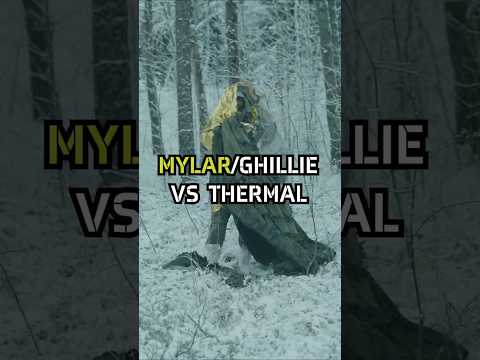
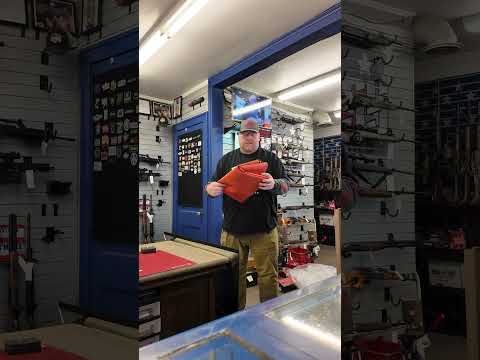
This video tests a standard cotton mesh scarf's effectiveness against thermal imaging in a woodland environment. At 10, 50, and 100 meters, the mesh significantly reduces and breaks up the thermal signature, especially when doubled over. While it doesn't provide full concealment, it's a valuable addition to camouflage for reducing signature.

Quick Summary

A standard cotton mesh scarf significantly reduces thermal signatures up to 100 meters by breaking up the human shape. Doubling the fabric enhances effectiveness, but it doesn't provide full concealment and performs better in warm weather.

Chapters

  1. 00:00Introduction: Testing Mesh Against Thermal
  2. 00:0610-Meter Thermal Imaging Test
  3. 00:1750-Meter Thermal Imaging Test
  4. 00:33100-Meter Thermal Imaging Test
  5. 00:42Conclusion: Effectiveness & Limitations

Frequently Asked Questions

How effective is a mesh scarf against thermal imaging?

A standard cotton mesh scarf can significantly reduce and break up a thermal signature at distances up to 100 meters. Doubling the material enhances its effectiveness, but it does not provide complete concealment.

Does temperature affect a mesh scarf's thermal masking ability?

Yes, performance is better in warmer weather (around 30°C) than in colder conditions (around 0°C). The mesh works by breaking up the human shape and reducing the overall signature.

What is the best way to use a mesh scarf for thermal concealment?

Use it as an addition to existing camouflage to break up your thermal signature. Consider doubling the fabric in key areas for increased effectiveness, especially at closer ranges.

Is a mesh scarf a complete thermal camouflage solution?

No, a standard mesh scarf reduces signature and breaks up the human shape but does not offer full thermal concealment. It's a supplementary tool for signature management.

Related News

All News →

More Tactical & Gear Videos You Might Like

More from FalconClaw

View all →