The Holosun DRS-TH is a real-world thermal optic that serves as the basis for an in-game optic in Battlefield 6. It combines thermal imaging with standard red dot technology, allowing users to switch between viewing heat signatures and a traditional red dot reticle. This dual functionality makes it a versatile entry-level thermal optic.
This video demonstrates the practical applications of a Nocpix Thermal Monocular, highlighting its use for identifying heat signatures in various conditions. The instructor, exhibiting experienced authority, explains the device's variable magnification from 2x to 32x and its utility for hunters seeking to detect animals through brush or in darkness. The comparison between thermal and naked-eye views underscores the device's effectiveness.
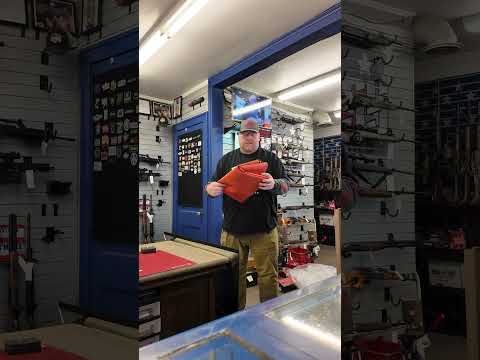
This video demonstrates the effectiveness of various common household items in obscuring a human heat signature when viewed through a Nocpix VISTA S50R thermal monocular. Expert instruction from D'Boss Firearms shows that materials like blankets, tarps (Mylar side), cardboard, and mirrors can effectively block thermal detection, while bubble wrap and plastic bags are insufficient. The guide emphasizes the importance of avoiding direct body contact with obscuring materials to prevent heat transfer.
This guide, drawing from an experienced instructor, details how to effectively use a military poncho as a thermal camouflage countermeasure. It emphasizes that while ponchos retain heat when worn directly, they can serve as an effective screen when positioned away from the body. The core principle highlighted is minimizing movement, as it's the primary giveaway in any camouflage scenario.
This video demonstrates the effectiveness of thermal imaging for detecting individuals at various distances, highlighting how heat signatures can be seen through sleeping bags. It also showcases how a simple tarp can be used to obscure these signatures from thermal detection. The use of a thermal drone for aerial surveillance is also presented as a method for revealing hidden individuals.
This video demonstrates a practical test of a viral claim: whether an umbrella can effectively hide a human heat signature. Using a Nocpix Vista Series S50R thermal monocular, the instructor conducts an experiment to debunk or confirm the theory. The test highlights the capabilities of thermal imaging technology and provides a clear conclusion on the effectiveness of using an umbrella for heat signature concealment.
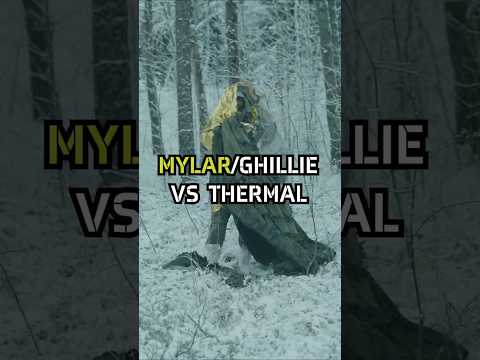
This video from FalconClaw tests a DIY thermal cloak constructed from Mylar, a woobie (poncho liner), and a ghillie suit. The presenter, demonstrating high authority in practical tactical concealment, found the cloak ineffective for direct body wear due to heat bleed-through, even with multiple layers. Its only viable application is as a stand-off blind, though it remains detectable from the sides. The setup is noisy and time-consuming, making it impractical for field use.
This video demonstrates the effectiveness of the SHINE NYX M1 PRO thermal night vision device, integrated with AR glasses, for detecting human heat signatures in complete darkness. The Civilian Tactical host, with high expertise in specialized tactical gear, showcases its capability by successfully locating a simulated intruder on private property after spotting wildlife. The system offers real-time thermal overlay, enhancing situational awareness during night operations.
This video provides a comprehensive guide to selecting and understanding suppressors, emphasizing key considerations beyond just sound reduction. The instructor highlights the importance of flash signature, durability, mounting systems, and weight. He advises on choosing a .30 caliber suppressor as a versatile starting point and discusses specific models and their performance characteristics, offering practical advice for prepared citizens.
This video demonstrates advanced tactical techniques for managing thermal signatures, particularly focusing on suppressor heat. The FalconClaw team, recognized experts in European defense, showcase how suppressor covers can effectively mask a rifle's heat bloom, crucial for maintaining stealth during night operations. The content highlights practical applications of thermal optics and signature reduction methods for operators.
This YouTube video appears to be a review or discussion centered around a "Heat Signature" product, potentially related to firearms or EDC (Everyday Carry) gear. The title suggests a focus on a new item within the EDC category, possibly a firearm or accessory that utilizes heat signature technology. Without a transcript, the exact nature of the product remains ambiguous, but the context strongly points towards the firearms and tactical gear niche.
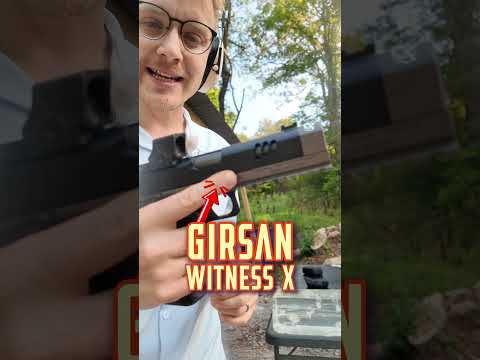
This video from Civilian Tactical explores whether bullets are visible with thermal imaging. Using a Nocpix Lumi L35R thermal monocular and a Girsan Witness X 9mm handgun, the experiment tests heat signatures on impact. The findings indicate that while bullets do raise material temperature, the effect is often too subtle or shielded to be clearly visualized by standard thermal optics, especially in dense media like ballistics gel.
Gun Laws by State
Read firearms regulations for all 50 states + D.C.
Find Gun Dealers
Search licensed FFL dealers near you.