This video details the construction and testing of an underground anti-thermal hide site designed to evade detection by thermal drones and optics. The creators emphasize the importance of integrating man-made materials with natural camouflage, using Myar insulation, and creating structural integrity. The exercise highlights that effective hiding relies on understanding the environment and bushcraft principles, often outperforming advanced technology when applied correctly. The hunters struggled to locate the well-camouflaged hide, demonstrating the effectiveness of the techniques employed.
This guide, drawing from an experienced instructor, details how to effectively use a military poncho as a thermal camouflage countermeasure. It emphasizes that while ponchos retain heat when worn directly, they can serve as an effective screen when positioned away from the body. The core principle highlighted is minimizing movement, as it's the primary giveaway in any camouflage scenario.
This video from FalconClaw demonstrates the effectiveness of different umbrella types for thermal camouflage. An experienced instructor highlights that standard opaque umbrellas successfully block thermal signatures, while clear plastic umbrellas and plastic bags are ineffective due to their transparency to thermal optics. The testing emphasizes the importance of material selection for thermal concealment.
This video features professional tactical instructors Eric and Aaron answering viewer questions on gear selection, training, and mindset. They emphasize practical application, reliability, and functional fitness over aesthetics. Key topics include choosing optics, understanding calibers, night vision, and effective training methods for budget-conscious individuals. The instructors share insights from extensive real-world experience and high-round-count classes.
This video from FalconClaw tests the effectiveness of common plastic wrap as a thermal camouflage material. Using professional thermal imaging equipment, the team systematically layered plastic wrap to determine its ability to mask a heat signature. The results indicate that plastic wrap is ineffective for thermal masking, even with numerous layers.
This guide details advanced winter mountain evasion techniques, drawing from professional military survival instruction. It covers initial movement, hide site assessment, camouflage, defeating thermal detection, partner movement, counter-tracking, and essential gear. The instruction emphasizes the life-or-death nature of these skills in high-threat scenarios.
This video from FalconClaw demonstrates the limitations of a 5-layer thermal camouflage setup at 100 meters. Despite using materials like Mylar and a Woobie (poncho liner), the setup fails to completely mask a heat signature, especially where the material contacts the body. The expert assessment highlights that while the setup can offer some concealment, it's most effective when used as a detached blind rather than direct body coverage, as heat still leaks from the sides.
This guide details the use of the Särmä TST Thermal Cloak for thermal signature concealment, drawing on expert insights from FalconClaw's practical field testing. The cloak, made with a reflective thermal coating, can function as a tarp, sleeping bag, or cloak, effectively masking heat signatures as demonstrated by thermal imaging. Its versatility and portability make it a valuable tool for tactical observation posts and stealth operations.
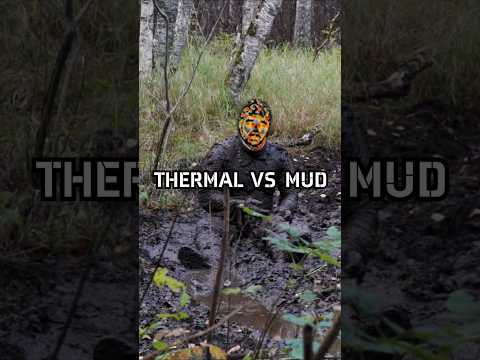
This video from FalconClaw explores an unconventional thermal masking technique, inspired by the movie 'Predator'. The presenter, demonstrating high authority and expertise, tests the effectiveness of covering oneself in mud to suppress thermal signatures against modern thermal imaging drones. The experiment highlights the challenges of remaining undetected in the field and offers a unique, albeit messy, potential solution for thermal signature reduction.
This video is a comment response session discussing thermal and night vision technology. Experts address viewer questions on topics ranging from the cost and practicality of thermal optics to hiding from thermal detection, the use of bridged dual-band systems, and the future of thermal imaging. The discussion emphasizes the importance of financial planning for acquiring advanced gear and the tactical advantages thermal provides, even in scenarios perceived as 'larping'.
This guide, based on insights from former SERE instructor Garand Thumb, details essential principles for urban combat survival and assault pack setup. It emphasizes professional-level preparedness, prioritizing mobility, situational awareness (S.I.L.S.), critical resources like water filtration, and specialized gear for breaching and thermal evasion. The content is geared towards advanced users facing high-intensity scenarios.
You've reached the end! 11 videos loaded.
Gun Laws by State
Read firearms regulations for all 50 states + D.C.
Find Gun Dealers
Search licensed FFL dealers near you.