⬆️ 2025 Recap, We Appreciate You!

Published on January 1, 2026
Duration: 2:59

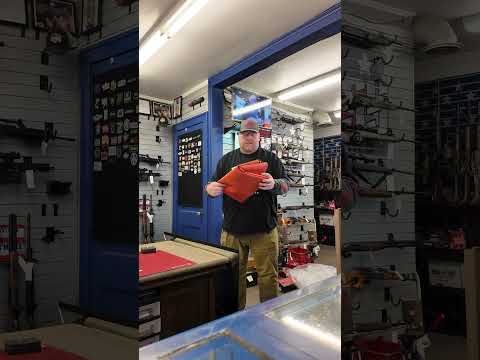
This video from FalconClaw, featuring their 'TSIF' (They Sleep In Fear) mindset, delves into advanced tactical techniques for low-light operations. It covers dominating environments with night vision and thermal optics, managing suppressor heat signatures, evading thermal detection, and understanding survival fundamentals. The content highlights the expertise of the FalconClaw team in tactical gear and operational strategies.

Quick Summary

Advanced tactical operations in low-light environments require mastering night vision and thermal optics. Key techniques include masking suppressor heat signatures with covers, evading thermal detection using natural cover or trenches, and deploying thermal decoys. Understanding survival fundamentals (WLFP) and comparing thermal clip-ons to traditional NVGs are also crucial for situational awareness.

Chapters

  1. 00:00Night Vision and Thermal Dominance
  2. 00:09Winter Gear and Survival
  3. 00:21Suppressor Thermal Signatures
  4. 00:36Defeating Thermal Detection
  5. 01:02TSIF Brand Meaning
  6. 01:05Precision Marksmanship
  7. 01:50Survival Fundamentals
  8. 02:09Thermal Decoys
  9. 02:48NVG vs. Thermal Comparison

Frequently Asked Questions

How can I avoid detection by thermal sensors?

To avoid thermal detection, use techniques like employing tarps, natural cover, and trenches. Suppressor covers are also vital for masking heat signatures after firing, and specialized thermal netting can obscure human heat signatures in wooded environments.

What is the meaning of TSIF in the context of tactical operations?

TSIF is an acronym used by the FalconClaw channel, standing for 'They Sleep In Fear.' It represents their aggressive and dominant tactical mindset, emphasizing preparedness and the ability to operate effectively and unseen.

What are the basic survival priorities in a tactical environment?

The fundamental levels of survival in a tactical environment are summarized by the acronym WLFP: Water, Location, Food, and Protection. Prioritizing these elements is crucial for maintaining operational capability and personal safety.

How do thermal clip-ons compare to traditional night vision?

Thermal clip-on devices are often superior for target identification and situational awareness compared to traditional night vision. They can be mounted in front of existing optics, offering enhanced detection capabilities in various low-light conditions.

Related News

All News →

More Tactical & Gear Videos You Might Like

More from FalconClaw

View all →