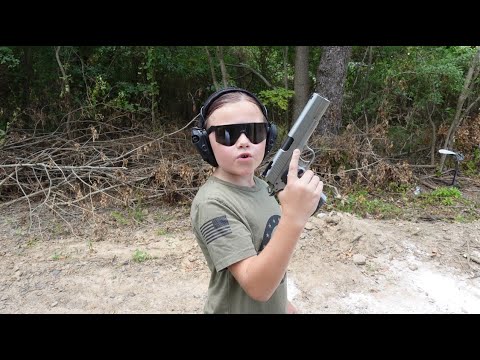
This video from FalconClaw demonstrates the effectiveness of different umbrella types for thermal camouflage. An experienced instructor highlights that standard opaque umbrellas successfully block thermal signatures, while clear plastic umbrellas and plastic bags are ineffective due to their transparency to thermal optics. The testing emphasizes the importance of material selection for thermal concealment.
This YouTube Short tests the bullet resistance of a stack of plywood using a 9mm firearm. The video aims to demonstrate the effectiveness of common home construction materials against bullet threats, highlighting home safety and the concept of bulletproofing. It encourages viewers to visit the creator's website for more details and exclusive content, and to like and subscribe for more innovative tests and practical advice on making surroundings safer.
This video demonstrates a destructive test on a Glock frame using a butane torch to expose and remove the internal metal rails. The process highlights how the polymer frame is molded around steel inserts for the front and rear rails, revealing their construction and how they are integrated into the firearm's structure. The experiment shows the melting point and behavior of the polymer under extreme heat.
This video tests the performance of high-temperature fiber paper, likely in the context of its use with firearms. The test aims to evaluate how this material holds up under extreme heat conditions, which is a critical factor in firearm maintenance and potentially in component durability during firing. The focus is on material science as it applies to firearm applications, suggesting a practical or experimental approach to understanding material limitations.
This video title suggests a destructive test or comparison involving "NEEDOH" and "9mm exploding slugs," questioning if they are "BULLETPROOF." The content likely focuses on testing the integrity of these projectiles against some form of protection, with a strong emphasis on ammunition performance and potentially the effectiveness of bulletproof materials. The use of "exploding slugs" implies a focus on the terminal ballistics and potential fragmentation of ammunition.
This video explores the effectiveness of different page counts in stopping a 12-gauge birdshot load. It appears to be a practical demonstration and analysis relevant to understanding projectile penetration and material resistance. The title suggests an experimental approach to a common question among firearm enthusiasts.
This video from Autumn's Armory tests the durability of a unique substance dubbed 'moon goo' against various firearms. The experiment involves shooting the material with a .22 LR, .380 ACP, 9mm Luger, .357 Magnum, 10mm Auto, and .300 Blackout. The results demonstrate that 'moon goo' is not bulletproof and is significantly affected by different calibers, with larger rounds causing more destruction.
This YouTube video explores the surprising capabilities of weighted blankets, specifically testing their resistance to bullets and fire. The creator, prompted by a viewer's question, conducts tests to determine how "bulletproof" and "fireproof" these blankets truly are. The video also includes affiliate links to the creator's camera gear and encourages support through Patreon and PayPal. While not directly demonstrating firearms, the context of 'bulletproof' testing makes it relevant to a firearms audience interested in protective materials.
This video introduces a new impact tester designed by the creator for detailed testing of the impact resistance of various filaments. While the primary focus is on the impact tester itself and its intended use in material science, the creator's association with "Hoffman Tactical" suggests a potential connection to firearms-related content, likely in the context of 3D printing firearm components or accessories. The creator aims to use this tester to gather data on how different filament materials perform under stress.
This video presents a DIY project for creating body armor using materials from Dollar Tree. The creator explicitly warns viewers against attempting to replicate this project, stating that it is extremely dangerous and could be fatal. The video provides an overview of the construction process but emphasizes its hazardous nature. Affiliate links for potential product sources are included in the description.
This video explores the question of whether styrofoam can stop a bullet. While the title is direct, the description is minimal, only providing links to the creator's website and Instagram. Without a transcript, it's impossible to determine the specific firearms, calibers, or types of tests conducted. However, the core topic revolves around ballistic resistance and testing the capabilities of common materials against projectile impact.
You've reached the end! 11 videos loaded.
Gun Laws by State
Read firearms regulations for all 50 states + D.C.
Find Gun Dealers
Search licensed FFL dealers near you.