Urban Sniper Tactics Against Thermal

Published on May 4, 2025
Duration: 12:59

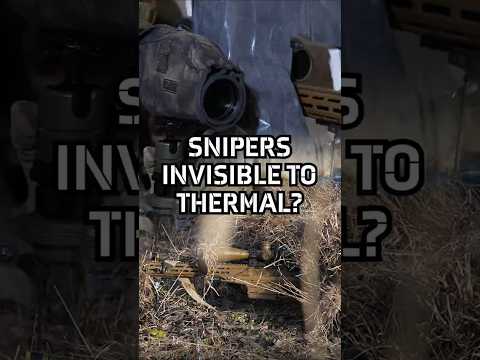
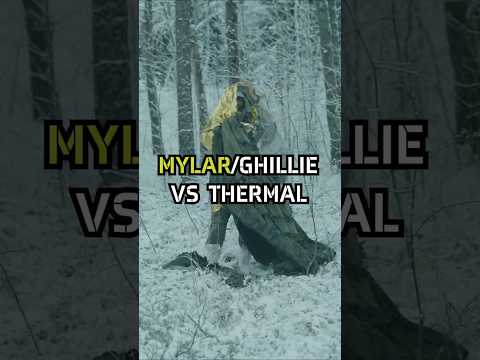
This guide details advanced urban sniper position setup techniques focused on evading thermal detection, as demonstrated by Estonian sniper conscripts. It covers environmental assessment, material selection for concealment, creating effective loopholes, and optimizing for extended operations. The instruction emphasizes blending into the environment and understanding thermal optics principles for successful evasion.


Quick Summary

Urban sniper positions are concealed by creating depth within rooms, using solid barrier materials like tarps or trash bags to block heat signatures, and minimizing exposure through small, precise loopholes for optics. Natural integration of existing debris also aids concealment.

Chapters

  1. 00:11Urban Sniper Training Introduction
  2. 00:34Urban Environment & Setup Time
  3. 00:48Key Position Setup Factors
  4. 01:24Concealment from Vision & Thermal
  5. 02:09Creating a Loophole
  6. 02:31Two-Man Sniper Team Setup
  7. 03:06Setup Without Active Threat
  8. 03:22Setup With Active Threat
  9. 03:40Natural Camouflage & Light Control
  10. 04:07Essential Tools for Setup
  11. 04:42Enhancing Position's Natural Look
  12. 05:07Position Setup Timeframes
  13. 05:39Building Without Outside Perspective
  14. 06:13Blocking Light from Doorways & Overhead
  15. 07:07Creating Weapon & Spotter Loophole
  16. 07:50Urban Material for Concealment
  17. 08:14Second Sniper Position Example
  18. 08:55Key Elements of Second Position
  19. 09:10Inside First Position: Comfort & Endurance
  20. 10:07Inside Second Position: Mesh Netting & Styrofoam
  21. 11:15External Thermal Observation
  22. 11:46External Naked Eye Observation
  23. 12:05Conclusion: Effective Thermal Concealment

Frequently Asked Questions

How can urban sniper positions be concealed from thermal detection?

Urban sniper positions are concealed by creating depth within rooms, using solid barrier materials like tarps or trash bags to block heat signatures, and minimizing exposure through small, precise loopholes for optics. Natural integration of existing debris also aids concealment.

What are the essential tools for setting up an urban sniper position?

Key tools include a bolt-action sniper rifle, thermal monocular, duct tape for securing materials, a stapler, and potentially a sledgehammer for creating loopholes. Basic tools like hammers and nails are also useful.

What is the primary challenge in setting up a sniper position without external observation?

The main challenge is ensuring the position is effectively concealed from both visual and thermal detection when viewed from the outside. This requires extensive practice and understanding of how the setup appears externally.

How does depth of a room contribute to sniper concealment?

The depth of a room creates darkness for visual concealment by limiting light penetration. It also increases the distance between the shooter and the exterior, which helps in dissipating heat signatures and making thermal detection more difficult.

More Tactical & Gear Videos You Might Like

More from FalconClaw

View all →