Shelter vs thermal (drone)

Published on March 24, 2025
Duration: 2:53

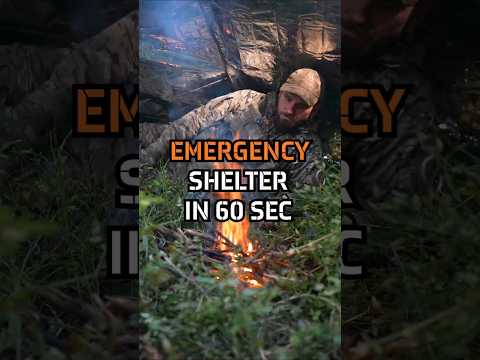
This video demonstrates a practical test of a basic forest shelter's effectiveness against thermal optics and drones. Instruction from the FalconClaw presenters highlights how even simple concealment methods can drastically reduce detectability from both ground and aerial thermal surveillance, offering significant tactical advantages. The experiment also explores methods to further enhance thermal masking.

Quick Summary

A basic forest shelter significantly enhances concealment against thermal optics and drones. While small heat leaks may be visible at 50m, effectiveness increases at 100m and from aerial surveillance. Materials like perforated Plexiglas can further improve thermal masking.

Chapters

  1. 00:00Introduction: Thermal Concealment Test
  2. 00:16Ground Observation at 50 Meters
  3. 00:53Improving Thermal Masking Techniques
  4. 01:06Ground Observation at 100 Meters
  5. 01:44Aerial Drone Observation Test
  6. 02:23Conclusion: Tactical Value of Shelter

Frequently Asked Questions

How effective is a basic forest shelter against thermal detection?

A basic forest shelter significantly increases concealment chances against thermal optics and drones. While small heat leaks might be visible at closer ranges (50m), effectiveness dramatically improves at longer distances (100m) and from aerial surveillance, rendering occupants nearly invisible.

What materials can improve thermal masking?

To enhance thermal masking, consider using materials that are visually transparent but thermally opaque. Examples include Plexiglas or styrofoam with small perforations. These can help obscure heat signatures while potentially maintaining observation capabilities.

Can a drone with a thermal camera detect someone in a shelter?

A drone with a thermal camera can detect someone in a shelter, but effectiveness is greatly reduced, especially with overhead cover. At 100 meters altitude, a well-constructed shelter makes the occupant nearly invisible to both visual and thermal sensors.

What are the key distances for testing thermal concealment?

Key distances for testing thermal concealment effectiveness include 50 meters for ground observation and 100 meters for both ground and aerial (drone) observation. These ranges highlight the diminishing detectability of heat signatures as distance increases.

More Tactical & Gear Videos You Might Like

More from FalconClaw

View all →