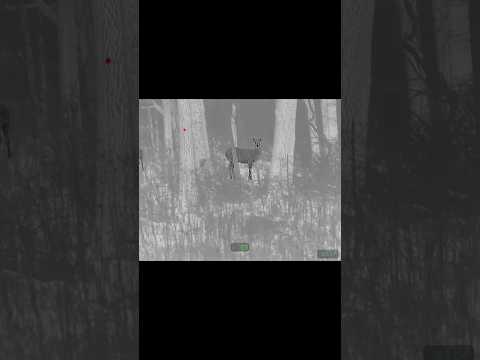
The Vortex Veil 400 is a thermal monocular featuring four thermal modes (white hot, black hot, red hot, multicolor) and four zoom settings (1x-4x). It has a simple three-button interface, on-board recording capabilities for photos and videos with audio, and charges via USB-C. The unit uses 18650 batteries, offering compatibility with some tactical weapon light batteries. It is suitable for daytime observation, hunting, animal recovery, and as an affordable thermal option for law enforcement, backed by Vortex's VIP warranty.
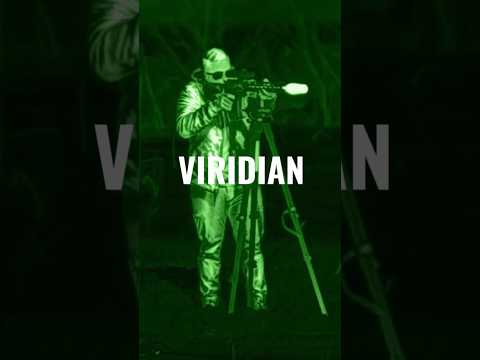
This video introduces the Lumi by Nocpix thermal monocular, priced at $2000, highlighting its utility for night operations in airsoft and hunting. The presenter, Johnny Q, demonstrates various thermal modes including Viridian, Red Hot, Crimson, Black Hot, Violet, White Hot, and Color, emphasizing their visual differences and potential applications. The discussion touches on the device's effectiveness for spotting targets at night and references popular video games like Call of Duty to illustrate its visual effects.
This video provides a first look at the Atibal Nexus thermal optic, demonstrating its capabilities in low-light conditions. The reviewer, acting as a product reviewer, highlights the effectiveness of different thermal modes (White Hot, Black Hot, Color Palettes) and assesses its value-to-performance ratio, particularly its optimized range within 100 yards. The review emphasizes its utility for users seeking enhanced visibility in darkness.
This guide demonstrates the effective use of the Nighthog Thermal Clip-on device, focusing on its various color palettes for target identification in low-light conditions. The Tactical Advisor, a recognized gear reviewer, showcases how different modes like White Hot, Red Hot, and Black Hot enhance visibility of wildlife in both open fields and wooded areas. The video highlights the device's on-board recording capabilities and clear imaging through brush.
This review examines the Infitac FMP13, a compact thermal sight designed for pistols or as an offset on rifles. While offering thermal imaging capabilities at a more accessible price point (around $700), it presents significant drawbacks for pistol use, including a high mounting profile, limited battery life (3-4 hours), and a dedicated thermal-only operation that precludes standard target shooting. The reviewer highlights its potential as a budget thermal for AR-15s or suppressed .22LR varmint rifles, noting its 4 oz weight did not impede pistol cycling and it held zero over 250 rounds.
This review covers the DNT ThermNight 635R, an all-in-one optic combining thermal imaging, digital day/night vision, an IR illuminator, and a laser rangefinder. The reviewer highlights its versatility for hunting, search and rescue, and law enforcement, noting its 640 thermal sensor's identification range up to 300-400 meters and a 20x digital zoom. While acknowledging a slight delay in the digital display during rapid target transitions, the reviewer praises its intuitive interface, impressive battery life, and significant cost-effectiveness compared to dedicated thermal scopes.
This video showcases the Nocpix L35 thermal monocular, demonstrating its various color modes including Crimson, Vidian, Violet, White Hot, Black Hot, and Red Hot. The presenter highlights the device's zoom capabilities, reaching up to 16x, and praises its effectiveness for observation in different conditions. The Nocpix L35 is recommended for those seeking a high-quality thermal monocular.
This review covers the Pulsar Axion 2 LRF thermal monocular, highlighting its 640 core, rechargeable USBC battery, and photo/video capabilities. The integrated laser rangefinder is emphasized as crucial for night hunting scenarios like coyote hunts, where depth perception is reduced. The reviewer notes the device offers eight color palettes but prefers the practical utility of white hot, black hot, and red hot.
This guide details an experiment to test the effectiveness of a basic forest shelter against thermal optics and drone surveillance. The FalconClaw presenters demonstrate how even simple shelters significantly reduce heat signatures, making occupants harder to detect from both ground and aerial perspectives. The experiment highlights the importance of advanced concealment techniques in tactical scenarios.
This guide details a night-time tactical technique using a bridged night vision and thermal imaging setup. The speaker, demonstrating high authority, explains how to fuse these technologies for superior detection. By overlaying thermal signatures onto a night vision landscape, users can overcome limitations of each individual system, significantly enhancing situational awareness in low-light conditions.
This video provides a foundational understanding of thermal optics, explaining how they detect heat signatures in the infrared spectrum, differentiating them from night vision. It covers their operational principles, including digital processing, refresh rates (Hz), and resolution, as well as practical applications in various conditions like fog and smoke. The discussion also touches upon pros like all-weather visibility and cons such as battery consumption and potential for false readings, offering insights into different viewing modes and personal preferences for their use.
This video provides a comprehensive review of the Guide Thermal TU651 LRF, highlighting its 640x480 thermal sensor and integrated rangefinder with ballistic calibration. The presenter emphasizes its high value for hunting scenarios, particularly with a 300 Blackout rifle for distances up to 200-300 yards. Key features discussed include its 12-hour battery life, easy phone connectivity via Wi-Fi, and robust build quality, making it a top-tier thermal optic for various tactical and hunting applications.
Gun Laws by State
Read firearms regulations for all 50 states + D.C.
Find Gun Dealers
Search licensed FFL dealers near you.