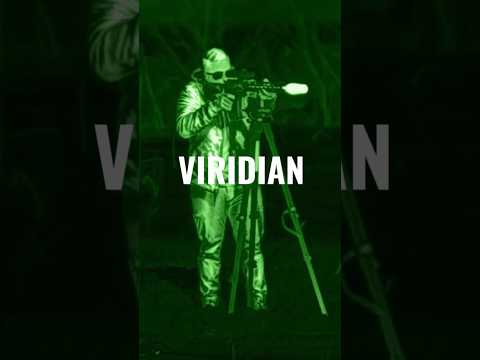
What Is A Thermal Optic And How Does It Work?

Published on November 8, 2024
Duration: 11:36

This video provides a foundational understanding of thermal optics, explaining how they detect heat signatures in the infrared spectrum, differentiating them from night vision. It covers their operational principles, including digital processing, refresh rates (Hz), and resolution, as well as practical applications in various conditions like fog and smoke. The discussion also touches upon pros like all-weather visibility and cons such as battery consumption and potential for false readings, offering insights into different viewing modes and personal preferences for their use.

Quick Summary

Thermal optics detect heat signatures in the infrared spectrum, allowing users to see in total darkness and through obscurants like fog and smoke. Unlike night vision, which amplifies ambient light, thermals rely on emitted heat, making them effective for target detection and identification in challenging conditions.

Chapters

  1. 00:03Introduction to Thermal Optics
  2. 00:37What is Thermal Technology?
  3. 01:37Thermal vs. Night Vision
  4. 02:09How Thermal Works: Infrared Spectrum
  5. 02:38Daytime and Adverse Condition Use
  6. 02:57Digital Processing and Latency
  7. 03:14Hertz and Resolution Explained
  8. 03:27NUKING (Non-Uniform Correction)
  9. 03:44Pros and Cons of Thermal Optics
  10. 04:11Detection vs. Identification Range
  11. 04:20False Readings and Limitations
  12. 05:10Viewing Modes: Red Hot, White Hot, Black Hot
  13. 05:53Thermal in Adverse Conditions
  14. 06:20Applications: Law Enforcement, Military, Hunting
  15. 06:36Real-World Scenario: Afghanistan Mission
  16. 07:31Is Thermal Right for You?
  17. 08:06Cost and Price Range
  18. 08:35Weight Considerations
  19. 08:40Ideal Thermal Setup for AR-15
  20. 09:09Field vs. Home Setup Preferences
  21. 09:33Using Thermal with Red Dot Sights
  22. 10:02Video Summary and Takeaways

Frequently Asked Questions

How do thermal optics work?

Thermal optics work by detecting heat signatures emitted by objects in the infrared spectrum. They translate this heat into a visual image, allowing users to see in complete darkness or through obscurants like fog and smoke, unlike night vision which amplifies ambient light.

What is the difference between thermal optics and night vision?

Thermal optics detect heat, showing temperature differences, while night vision amplifies existing light. This means thermals work in total darkness and through smoke/fog, whereas night vision requires some ambient light and is less effective in obscurants.

What are the main advantages of thermal optics?

Key advantages include the ability to see in total darkness, through fog, smoke, and other obscurants, and to detect heat signatures that might be invisible to the naked eye or night vision, making them excellent for target detection and identification.

What are the limitations of thermal optics?

Limitations include higher battery consumption, potential for false readings (e.g., warm rocks appearing as targets), less detail for facial identification compared to night vision, and often a higher price point.

What are the different viewing modes for thermal optics?

Common viewing modes include 'Red Hot,' 'White Hot,' and 'Black Hot.' 'Black Hot' is often preferred as darker areas on the screen represent warmer objects, drawing the user's eye to potential targets more effectively.

Related News

All News →

More Tactical & Gear Videos You Might Like

More from ClassicFirearms

View all →