This guide details how to use the SIG CONNECT system for real-time optical hit detection during live fire training. It covers target setup, app initialization, pistol preparation, engaging sequences, and receiving performance feedback. The system enhances training by providing immediate confirmation of hits and tracking progress through different levels.
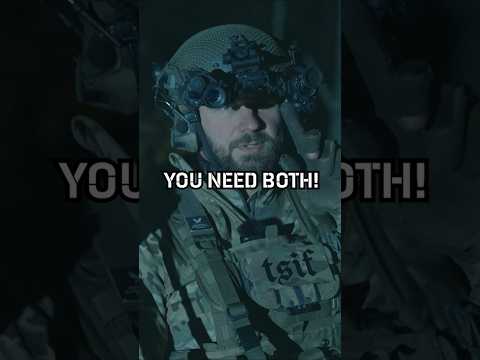
This kit enables dual-band spectrum viewing, combining thermal and night vision for enhanced target acquisition. It facilitates seamless transitions between helmet-mounted and weapon-mounted configurations, offering 'predator vision' for both detection and engagement. The kit includes the Falcon 640 V2 thermal and the MUM 14 white phosphorus night vision device, along with all necessary adapters and mounts.
This video demonstrates the visual differences when observing a target at 35 meters in low light conditions using various night vision and thermal technologies. It highlights the limitations of standard night vision without supplemental light and the superior detection capabilities of thermal imagers, particularly with advanced color palettes like 'red hot'.
This video demonstrates the effectiveness of thermal overlays for target detection in low-light and obscured conditions. While not providing the same detail as dedicated thermal optics like the Falcon 640, thermal overlays significantly improve the ability to identify hidden individuals by highlighting their presence, even when visually obscured by foliage or darkness. The primary benefit is enhanced detection, allowing users to know where to look.
This video demonstrates the significant advantage of thermal imaging in dense vegetation, even in daylight. The speaker highlights how thermal optics can detect heat signatures invisible to the naked eye, making them invaluable for identifying hidden individuals. This technology provides a critical edge in spotting targets that would otherwise be concealed by camouflage and foliage.
This video tests the effectiveness of thermal optics during summer conditions, particularly in Finland and Estonia where temperatures reach around 30°C. It demonstrates that while effectiveness is reduced compared to colder months, thermals remain highly useful for detecting heat signatures, especially in dense vegetation or low-light scenarios. The video highlights that movement is the primary giveaway, even with camouflage, and discusses the impact of ambient temperature, sun angle, and surface heat on thermal performance, recommending a combination of thermal and day optics for daytime use.
This video explains that thermal optics can be used effectively during daylight hours, although it is more challenging than at night. The key is to observe heat differentials, looking for colder spots that indicate the presence of people or animals against a hotter background.
This guide details the effective combination of night vision and thermal optics for superior target detection, especially in low-light or concealed scenarios. The presenter, with high authority, demonstrates how night vision alone can be insufficient, while thermal imaging instantly reveals heat signatures. Practical examples in urban and woodland settings highlight the advantages of this dual-optic approach for enhanced situational awareness.
This guide details a night-time tactical technique using a bridged night vision and thermal imaging setup. The speaker, demonstrating high authority, explains how to fuse these technologies for superior detection. By overlaying thermal signatures onto a night vision landscape, users can overcome limitations of each individual system, significantly enhancing situational awareness in low-light conditions.
This video provides a foundational understanding of thermal optics, explaining how they detect heat signatures in the infrared spectrum, differentiating them from night vision. It covers their operational principles, including digital processing, refresh rates (Hz), and resolution, as well as practical applications in various conditions like fog and smoke. The discussion also touches upon pros like all-weather visibility and cons such as battery consumption and potential for false readings, offering insights into different viewing modes and personal preferences for their use.
This guide details how to effectively use the PFN thermal optic for target detection, even in challenging conditions like rain and fog, and at distances up to 300 meters. The presenter, demonstrating high expertise with tactical gear, highlights the significant advantage thermal imaging offers over naked-eye observation, especially for camouflaged targets. The PFN optic is presented as a favorite for its performance.
This guide details a technique for transitioning a helmet-mounted thermal optic to a weapon system, as demonstrated by FalconClaw. It emphasizes the utility of thermal for initial detection and the seamless integration with weapon-mounted optics using specialized mounts like the Unity Tactical FAST system. The process includes mounting, engaging targets with thermal overlay, flipping the optic aside for primary sight use, and quick detachment for storage, showcasing advanced tactical gear integration.
Gun Laws by State
Read firearms regulations for all 50 states + D.C.
Find Gun Dealers
Search licensed FFL dealers near you.