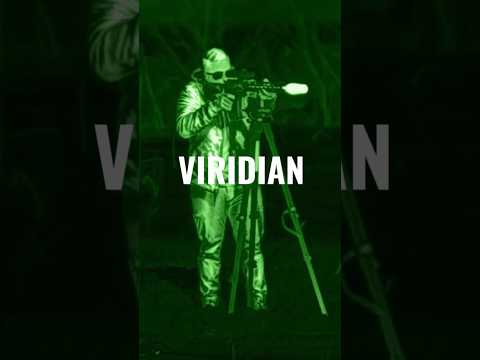
Do you really dominate with that kit?

Published on January 7, 2025
Duration: 1:13

This guide details a night-time tactical technique using a bridged night vision and thermal imaging setup. The speaker, demonstrating high authority, explains how to fuse these technologies for superior detection. By overlaying thermal signatures onto a night vision landscape, users can overcome limitations of each individual system, significantly enhancing situational awareness in low-light conditions.

Quick Summary

Bridging night vision and thermal optics offers a significant tactical advantage by fusing dual-spectrum views. Thermal imaging detects heat signatures, revealing hidden targets, while night vision provides detailed environmental context. Processing this merged information enhances situational awareness and target detection in low-light conditions.

Chapters

  1. 00:00Introduction to Night Dominance
  2. 00:10Thermal vs. Night Vision Comparison
  3. 00:20Night Vision Limitations
  4. 00:32Thermal Detection Advantages
  5. 00:53Merging Technologies

Frequently Asked Questions

How does bridging night vision and thermal optics improve tactical advantage?

Bridging night vision and thermal optics allows for the fusion of two distinct visual spectrums. Thermal detects heat signatures, revealing hidden targets, while night vision provides detailed environmental context, leading to superior situational awareness and target detection.

What are the key differences between thermal and night vision in low-light conditions?

Thermal imaging detects heat signatures, making it effective for spotting camouflaged individuals or animals. Night vision relies on ambient light to illuminate the environment, providing detailed terrain and obstacle information but struggling with camouflage.

What is the benefit of blue phosphor night vision?

Blue phosphor night vision produces a blue-tinted image, which some users find offers better contrast and potentially reduced eye strain during extended use compared to traditional green phosphor night vision systems.

How can users best utilize merged night vision and thermal views?

Users should practice processing the fused visual information, integrating the detailed landscape from night vision with the precise location of heat sources from thermal. This merged view enhances situational awareness and target detection capabilities.

Related News

All News →

More Tactical & Gear Videos You Might Like

More from FalconClaw

View all →