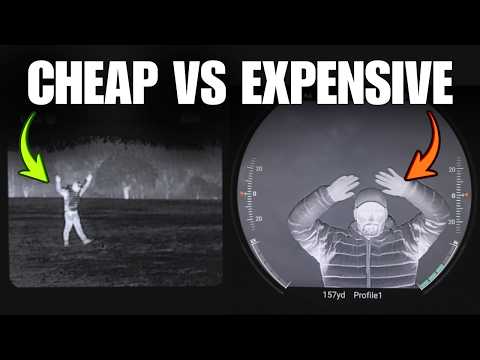
Thermal Doesn’t Work in Summer? We Tested It.

Published on July 9, 2025
Duration: 13:29

This video tests the effectiveness of thermal optics during summer conditions, particularly in Finland and Estonia where temperatures reach around 30°C. It demonstrates that while effectiveness is reduced compared to colder months, thermals remain highly useful for detecting heat signatures, especially in dense vegetation or low-light scenarios. The video highlights that movement is the primary giveaway, even with camouflage, and discusses the impact of ambient temperature, sun angle, and surface heat on thermal performance, recommending a combination of thermal and day optics for daytime use.

Quick Summary

Thermal optics remain effective in summer, even at temperatures up to 30°C, particularly in dense vegetation. While ambient heat can create 'red hot' noise, focusing on movement and combining thermal with day optics for verification are key strategies for successful daytime use.

Frequently Asked Questions

Do thermal optics still work effectively in the summer heat?

Yes, thermal optics remain effective in summer, even at temperatures up to 30°C. While their performance might be reduced compared to colder conditions, they are still highly useful for detecting heat signatures, especially in dense vegetation or low-light scenarios where temperature differences are more pronounced.

How does dense vegetation affect thermal optic performance in summer?

Dense vegetation can make it difficult to spot targets with the naked eye, but thermal optics can still detect heat signatures by picking up subtle temperature differences. The effectiveness depends on the density of the foliage and the temperature contrast between the target and its surroundings.

What are the main challenges of using thermal optics during hot summer days?

During hot summer days, the primary challenge is 'red hot' noise. The ground, vegetation, and man-made objects can become hotter than human body temperature, creating numerous heat signatures that can obscure actual targets. Focusing on movement becomes crucial for detection.

What is the best strategy for using thermal optics during the day in summer?

During the day in summer, it's recommended to focus on detecting movement rather than static heat signatures. Combining thermal optics with day sights or magnification for verification helps reduce false positives caused by environmental heat.

What are 'washout hours' and how do they relate to thermal optics?

'Washout hours' refer to the period after sunset when it's too bright for night vision but too dark for naked-eye observation. During this time, surfaces are still warm from the day, which can be tactically advantageous for movement, though movement itself remains the primary giveaway for thermal detection.

Related News

All News →

More Tactical & Gear Videos You Might Like

More from FalconClaw

View all →