Channel: @thehumblemarksman
This video captures the experience of competing in the 2026 USPSA Alabama Section match, highlighting the challenges of extreme heat and humidity. The shooter, using a Kimber 2k11, details how the conditions affected grip, equipment, and overall performance, emphasizing the mental fortitude required to continue shooting effectively despite discomfort. The content focuses on the practical realities of outdoor shooting sports in adverse weather.
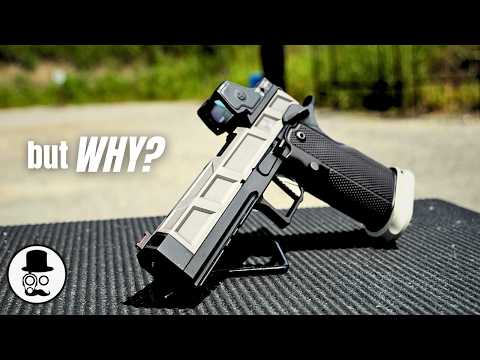
This review of the Bull Armory Tac Comp highlights its advanced features, including a superior optic mounting system that lowers the optic window and a new, user-friendly link trigger system allowing quick trigger shoe swaps. The firearm is praised for its exceptionally flat shooting characteristics and good fit and finish for a production gun, though its unique grip and magazine compatibility differ from traditional 2011s. The reviewer emphasizes its performance in competition but cautions against it as a first 2011 due to its specialized nature and increased noise.
This review of the Phoenix Trinity Exo Pro 2011 pistol highlights its exceptionally soft shooting characteristics, even surpassing the Staccato XC. The analysis delves into the unique barrel locking block design and extended stroke length as key factors contributing to reduced recoil. The reviewer, an experienced shooter, provides a detailed comparison with the Staccato XC, focusing on practical shooting performance and technical differences.
This review of the Springfield Armory Echelon Alpha highlights its significant price reduction from the standard Echelon, achieved through simplified machining and reduced accessories. While the Alpha sacrifices some premium features like a night sight and an extra magazine, its core functionality and compatibility with the Echelon's modular ecosystem remain intact. The review also compares it to the Ruger RXM, noting the Echelon Alpha's superior trigger and grip texture, while acknowledging the RXM's lower price and Glock ecosystem integration. Potential buyers are advised to handle both firearms to determine personal fit and preference.
This video compares compensated and non-compensated 2011 pistols in a competitive shooting drill. The results, gathered from two shooters, revealed surprising performance differences. While one shooter saw a modest improvement with compensated firearms, the other experienced a significant boost, highlighting the personal impact of familiarity and training with specific firearm configurations. The analysis also extends to a value assessment, correlating performance with street price.
This review of the SIG Sauer P311 GT5 positions it as a high-performance competition pistol rather than a traditional duty firearm. While acknowledging its excellent shooting characteristics and modularity, the review highlights its significant weight, size, and cost as drawbacks for duty use. The P311 GT5 is praised for its comfortable ergonomics, balanced design, and ability to handle hot ammunition, making it a strong contender in the sub-$2,500 2011 market.
This video compares the Kimber 2011 Target, Glock 17 Gen 6, and CZ Shadow 2 in a performance shooting context, evaluating their effectiveness in drills like the build drill and a simulated USPSA stage. The presenter, an experienced shooter, emphasizes that firearm ergonomics and grip significantly impact performance more than trigger type alone. While the Kimber 2011 ultimately won due to the presenter's familiarity, the Glock 17 Gen 6 offered excellent value and performance, and the CZ Shadow 2, despite its excellent ergonomics, presented challenges due to its weight distribution and trigger profile for the presenter.
This video provides a detailed comparison between the Vortex Defender Enclosed and Vortex Venom Enclosed red dot sights, highlighting key differences in materials, features, and price. The presenter, an experienced firearms instructor, discusses the robustness of 7075 vs. 6061 aluminum, the utility of solar fail-safes, battery life expectations, reticle options, and slide-racking capabilities. The analysis aims to help viewers decide which optic best suits their needs and budget.
This video tests the durability and zero retention of the sub-$200 ZeroHawk EM1 enclosed red dot optic. The optic underwent a 500-round shooting test on a Kimber CDS9, a shoulder-height drop test onto AR500 steel, and post-punching. The results indicate that the EM1 held zero after significant abuse, challenging the notion that only expensive optics are reliable. The reviewer highlights the evolving landscape of affordable optics and compares the EM1 favorably to older, more expensive models.
This review of the Springfield Armory SA-35, a modernized clone of the 100-year-old FN High Power, highlights its historical context and how its design holds up today. While appreciating its classic aesthetics and potential as a carry gun, the review points out ergonomic challenges for modern two-handed shooting techniques, particularly concerning the safety lever and grip comfort for larger hands. It also notes quirks in magazine seating and trigger reset, contrasting it with contemporary designs like the CZ75 and Springfield Prodigy.
This review of the Tisas 1911 Duty B9R, often referred to as the B9er, focuses on its value proposition as a sub-$700 2011-style pistol. The reviewer, David, highlights its features, compares it to more expensive models like the Kimber 2K11 and MAC DS9 Duty, and discusses its performance, including potential issues with ejection and slide lock. The B9er is presented as a capable range toy and a potential base for budget builds, though not recommended for duty use out-of-the-box.
This video evaluates the 50-yard performance of a SIG Sauer P365, comparing it against a 2011 pistol. The P365 demonstrated a score of 493 with three alphas, three deltas, while the 2011 achieved a 471 with six hits in the alpha or better zones. A TWWs 365 variant also performed well, scoring 487 with four alphas, one Charlie, and one delta.