Snow camo vs Thermal đź’€

Published on December 8, 2024
Duration: 0:38

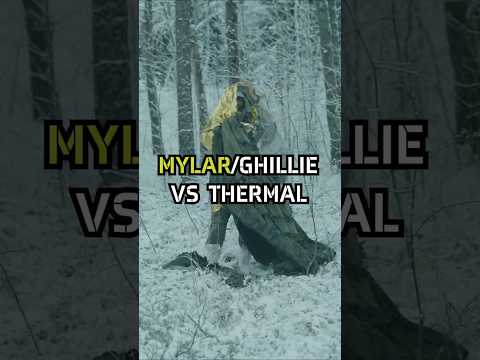
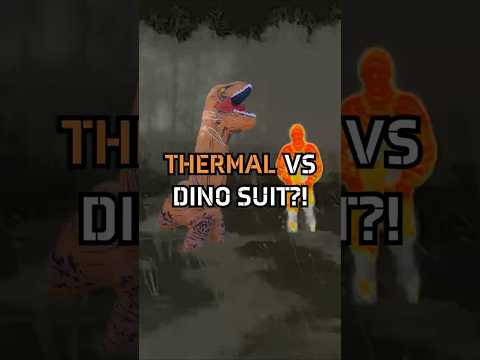
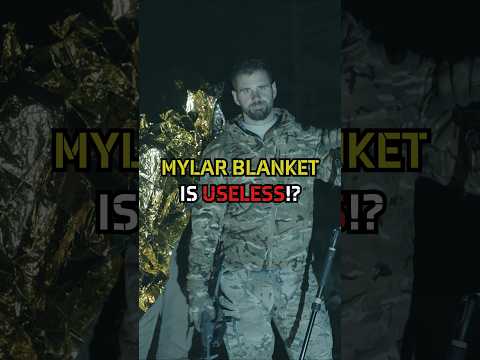
This video demonstrates that standard snow camouflage, even with layers like a Mylar blanket and woobie, is ineffective against thermal imaging. While visually blending into a snowy environment, the wearer remains highly visible to thermal detection. The Mylar blanket, though reflective, is impractical due to its noise and setup time.

Quick Summary

Standard snow camouflage, even with layers like Mylar blankets and woobies, is ineffective against thermal imaging. While visually blending into snow, the wearer's heat signature remains easily detectable by thermal cameras, rendering visual camo useless for thermal concealment.

Chapters

  1. 00:00Thermal Concealment Test Setup
  2. 00:17Practicality & Thermal Effectiveness Issues

Frequently Asked Questions

Does snow camouflage hide you from thermal cameras?

No, standard snow camouflage, even with layers like Mylar blankets or woobies, does not effectively hide a heat signature from thermal imaging. While it provides visual concealment in snowy environments, thermal cameras can easily detect the wearer's body heat.

What are the drawbacks of using a Mylar blanket for camouflage?

Mylar blankets are extremely noisy when moved, which can compromise situational awareness. They also require significant setup time (around 10 minutes) and, crucially, offer minimal protection against thermal detection, making them impractical for concealment.

How effective is snow camo against thermal detection?

Snow camouflage is visually effective in snowy environments but completely ineffective against thermal detection. Thermal imaging systems detect heat signatures, which are not significantly masked by typical visual camouflage patterns or materials like Mylar blankets.

More Tactical & Gear Videos You Might Like

More from FalconClaw

View all →