This guide covers the process of acquiring NFA items like suppressors using SilencerShop's streamlined eForms system and discusses the setup and legal considerations for a 'truck gun.' It also touches on advanced drone applications for tactical use. Instruction is provided by experienced individuals knowledgeable in NFA regulations and firearm applications.
This guide outlines the process for acquiring a factory-built Short Barreled Rifle (SBR) from Palmetto State Armory, emphasizing the regulatory steps involved. As explained by Justin, an official representative from Palmetto State Armory, the purchase mirrors that of a suppressor, requiring an ATF Form 4, fingerprints, and a photograph. The partnership with Capitol Armory aims to streamline the transfer process post-approval.
This video critically examines a proposed increase in the NFA tax stamp from $200 to $4,500-$4,700, as suggested by Senator Chris Murphy. The speaker, identified as a knowledgeable commentator on legislative impacts, warns that this tax hike is likely to be implemented as a punitive measure against gun owners. The video also features a sponsor segment for Medical Gear Outfitters and their 'I-ROK' first aid kit.
This livestream recap of 2025 features discussions on new firearm releases, industry trends, and personal experiences from the Classic Firearms team. Key topics include the Glock Gen 6, the evolving firearm market with more affordable options, and memorable show experiences like the NRA and Enforce Tac. The team also touches on personal builds, favorite firearms of the year, and the impact of new regulations like the removal of the $200 tax stamp for suppressors.
This guide, informed by Adam Kraut of the Second Amendment Foundation, details the legal landscape of suppressor ownership in the US. It covers the history of the National Firearms Act (NFA), the application process via Form 4 and eForms, and highlights the eight states where suppressors are illegal. The information emphasizes the importance of understanding federal and state regulations for legal compliance.
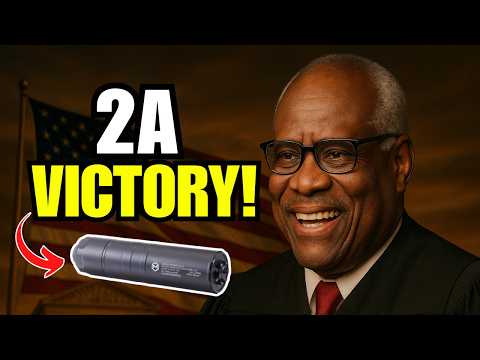
Following a Department of Justice admission that suppressors qualify as 'arms' under the Second Amendment, gun stores experienced a surge in demand. This shift, driven by the Supreme Court's Bruen ruling, challenges historical justifications for suppressor bans. While legally recognized as protected arms, suppressors still require adherence to NFA regulations, including tax stamps and lengthy approval processes.
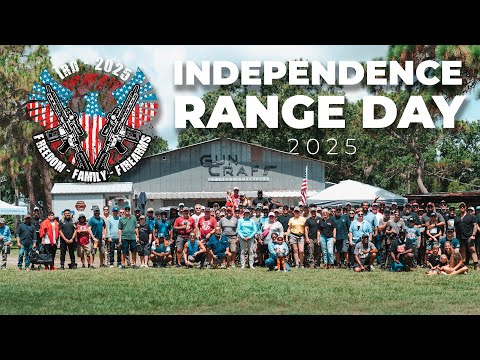
The 2025 Independence Range Day in Florida featured various firearm-related vendors and training opportunities. Highlights included Arise Manufacturing's durable optic plates, the Proludder training device for red dot sight practice, and Alligator Arms' custom Cerakote work. BOE Suppression showcased their consumer-friendly, serviceable suppressors, explaining the NFA process and the benefits of suppressed shooting for hearing protection and home defense. The event also hosted rifle and pistol training classes.
This video from Exile Armory LLC showcases a variety of firearms and suppressors, highlighting their availability and pricing. They emphasize their layaway program and the ability to hold NFA items until new laws take effect, encouraging customers to purchase and get printed. The presenters also discuss specific models and their features, offering a glimpse into their current inventory.
This video provides an expert analysis of the Fifth Circuit Court of Appeals withdrawing its anti-gun opinion in US v. Peterson. The withdrawal suggests a potential rehearing en banc, which could lead to suppressors receiving full Second Amendment protection. The content details the historical legal challenges faced by suppressor owners and the potential nationwide impact of this case on NFA restrictions, advising gun owners to stay informed.
This video provides an expert analysis of the DOJ's recent reversal on suppressor policy, a significant shift impacting the National Firearms Act (NFA). The speaker, demonstrating deep knowledge of NFA history and legal processes, explains the implications of the DOJ's admission that suppressors are integral to Second Amendment rights. It covers the historical context of suppressor regulation, the current ownership process, and the potential impact on future legislation like the Hearing Protection Act.
This video from Washington Gun Law TV addresses the implications of HR1, which zeroes out the federal tax stamp for suppressors, for Washington State residents. It clarifies that the federal tax reduction is not yet effective in Washington and advises viewers to be aware of potential state-level suppressor bans in the upcoming legislative session. The speaker suggests that now might be a strategic time to purchase suppressors before potential state bans and increased demand impact availability and pricing.
This live stream covers recent legislative changes regarding firearm tax stamps, the acquisition of Anderson Manufacturing by Ruger, and various firearms and gear discussions. The speaker clarifies that while the $200 tax stamp for suppressors and short-barreled rifles has been eliminated, the ATF form process and waiting period remain. The discussion also touches on self-defense incidents, state-level gun rights, and the importance of continuous training, particularly dry-fire practice.
Gun Laws by State
Read firearms regulations for all 50 states + D.C.
Find Gun Dealers
Search licensed FFL dealers near you.