Gun Stores WIPED OUT Overnight After Supreme Court BOMBSHELL!

Published on October 31, 2025
Duration: 11:18

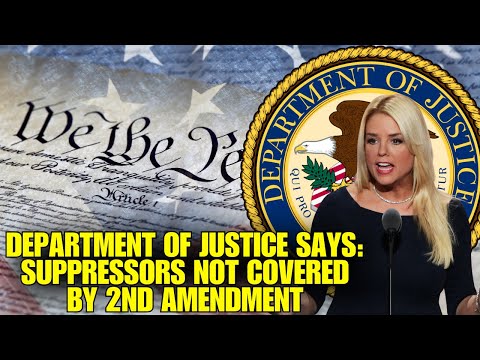
Following a Department of Justice admission that suppressors qualify as 'arms' under the Second Amendment, gun stores experienced a surge in demand. This shift, driven by the Supreme Court's Bruen ruling, challenges historical justifications for suppressor bans. While legally recognized as protected arms, suppressors still require adherence to NFA regulations, including tax stamps and lengthy approval processes.

Quick Summary

The Department of Justice has admitted in federal court that firearm suppressors qualify as 'arms' under the Second Amendment, a significant shift influenced by the Supreme Court's Bruen ruling. This legal recognition challenges historical justifications for suppressor bans, though NFA regulations like the $200 tax stamp and Form 4 submission still apply.

Chapters

  1. 00:00Suppressor Sales Surge After DOJ Bombshell
  2. 00:52DOJ Admits Suppressors Are Protected Arms
  3. 01:21The Impact of the Bruen Ruling
  4. 02:21Gun Stores Wiped Out Overnight
  5. 03:54Historical Context of Suppressor Regulation
  6. 05:22Suppressors vs. 80% Lowers: Legal Distinction
  7. 06:55Shift in Suppressor Buyer Demographics
  8. 08:22Legal Challenges to State Suppressor Bans
  9. 09:46NFA Hurdles Remain Despite Legal Win
  10. 11:00The Future of Suppressor Ownership

Frequently Asked Questions

What is the significance of the DOJ's admission regarding firearm suppressors?

The DOJ admitted in court that suppressors qualify as 'arms' under the Second Amendment. This admission, influenced by the Supreme Court's Bruen ruling, challenges historical justifications for suppressor bans and strengthens legal arguments for their protection.

How did the Supreme Court's Bruen ruling affect suppressor legality?

The Bruen ruling requires the government to show a historical tradition of regulation for firearm restrictions. Since there's no strong historical precedent for banning suppressors, the DOJ had to concede they are protected arms, impacting existing and future legal challenges.

Do suppressors still require a tax stamp after the DOJ's admission?

Yes, despite the legal recognition as protected arms, suppressors are still regulated under the National Firearms Act (NFA). This means buyers must still pay the $200 tax stamp, submit an ATF Form 4, and undergo the standard approval process.

What is the difference in legal standing between suppressors and 80% lowers?

Following recent court decisions, suppressors are now legally recognized as constitutionally protected arms. Unfinished firearm parts like 80% lowers, however, are subject to direct ATF control and do not receive the same level of constitutional protection because they are not fully operable on their own.

Related News

All News →

More 2nd Amendment & Law Videos You Might Like

More from Line45

View all →