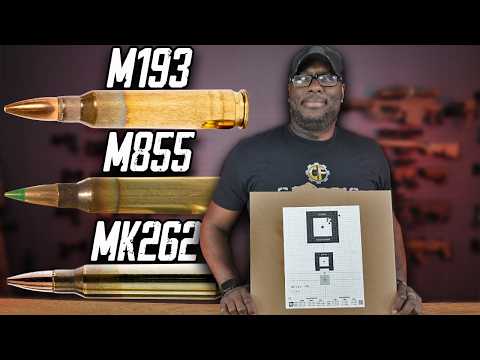
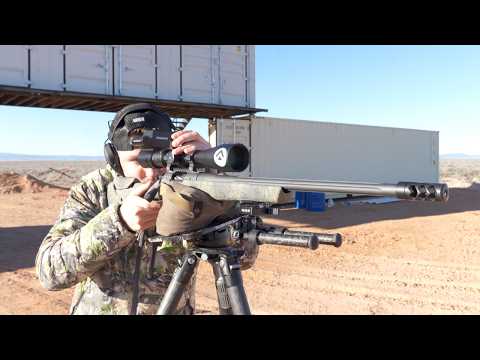
22 LR Rifles - The Surprising Truths NO ONE Tells You!

Published on December 26, 2024
Duration: 9:02

This video provides expert insights into the .22 LR rimfire platform, detailing critical performance factors often overlooked. It covers optimal barrel length, the importance of twist rate for different ammunition types, common ignition issues in rimfire designs, and the sensitivity of semi-automatic .22s to ammunition power. The instructor emphasizes the significant impact of bullet drop and wind drift beyond 100 yards, offering data-driven advice for shooters seeking to maximize accuracy and reliability.


Quick Summary

Optimal barrel length for .22 LR rifles is 16-18 inches, as longer barrels offer diminishing returns. The 1:16 twist rate suits standard bullets, but faster twists aid heavier subsonic rounds. Rimfire ignition can be inconsistent, and semi-auto .22s are sensitive to ammo power, often failing to cycle with subsonic loads. Beyond 100 yards, .22 LR is highly susceptible to bullet drop and wind drift.

Chapters

  1. 00:00Introduction to .22 LR
  2. 00:34Barrel Length and Diminishing Returns
  3. 02:07Barrel Twist Rate
  4. 03:40Rimfire Ignition Issues
  5. 05:14Semi-Automatic Ammo Sensitivity
  6. 06:55Bullet Drop and Wind Sensitivity

Frequently Asked Questions

What is the optimal barrel length for a .22 LR rifle?

The optimal barrel length for a .22 LR rifle is generally considered to be between 16 and 18 inches. Beyond this range, increased friction and pressure dissipation can actually slow the bullet down, offering diminishing returns in velocity and accuracy.

How does barrel twist rate affect .22 LR ammunition performance?

The standard 1:16 twist rate is ideal for common 36-40 grain .22 LR bullets. However, heavier subsonic rounds may benefit from faster twists like 1:12 or 1:14, while hyper-velocity rounds might perform better with slower twists.

Why are some .22 LR semi-automatic rifles sensitive to ammunition type?

Semi-automatic .22 LR rifles rely on gas pressure to cycle the action. Subsonic or low-powered ammunition may not generate enough pressure, leading to feeding, ejection, and cycling malfunctions, requiring careful ammunition selection.

What are the main challenges when shooting .22 LR beyond 100 yards?

Beyond 100 yards, the .22 LR cartridge's low velocity and light bullet weight make it highly susceptible to bullet drop due to gravity and wind drift. Accurate shooting requires precise compensation for these factors.

Related News

All News โ†’

More Training & Techniques Videos You Might Like

More from Line45

View all โ†’