This video clarifies the distinctions between Level 3A and Level 3+ body armor. Level 3A is an official NIJ standard focused on handgun protection, stopping rounds up to .44 Magnum and .357 SIG, and is typically soft, lightweight, and flexible. Level 3+ is not an official NIJ standard but refers to Level 3 plates that offer enhanced protection beyond the standard 7.62x51mm requirement, with specific additional round protection varying by manufacturer.
This video provides an overview of ballistic protection, specifically focusing on NIJ Level 4 plates meeting new NIJ 7 specifications. The speaker emphasizes the value of life and the importance of investing in quality protection, noting a 10-year warranty and an MSRP of $399. The content also touches upon YouTube's content moderation policies impacting firearms-related channels.
This video from Predator Armor argues that body armor is a tool for personal protection, not a partisan issue. The speaker, demonstrating high authority, emphasizes that firearms and bullets do not discriminate based on political affiliation. The content addresses the irony of those concerned about gun violence opposing body armor and refutes the argument that restricting armor due to criminal use is a practical solution. Personal safety decisions should remain independent of political opinions or criminal actions.
This guide compares tactical belt and plate carrier setups from military and civilian perspectives, drawing on the expertise of individuals with military backgrounds. It covers optimal configurations for belts, medical kits, and plate carriers, emphasizing mission-specific gear choices and proper safety considerations. The discussion highlights the importance of NIJ certification for armor and practical application over aesthetics.
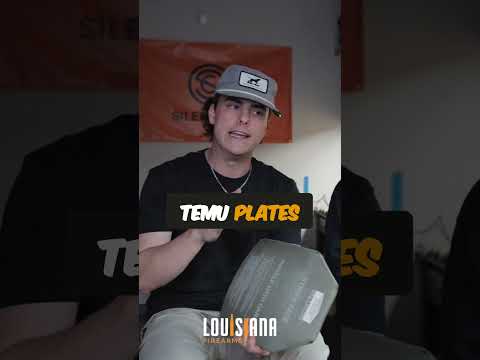
This video from Louisiana Firearms provides a strong cautionary review of budget body armor plates, specifically those sourced from Temu. The host emphasizes the critical unreliability and life-threatening risks associated with using such gear, advising viewers to avoid these products for any serious protective application. The content highlights the severe dangers of relying on substandard equipment for personal safety.
This video reviews Guard Dog Armor's new SIC multicurve Level 3+ plates, highlighting their performance against common rifle rounds like M193 and M855, as well as .308 Winchester. The instructor emphasizes their lightweight design (5.3 lbs), multi-curve technology, and excellent spall containment and low backface deformation, making them a high-value option for plate carriers.
This video discusses the potential role of body armor in the fatal injury of Charlie Kirk, analyzing ballistic phenomena and the physics of projectile impact. The instructor, with experience testing body armor, debunks the idea that armor manufacturers should be blamed, emphasizing that armor is a second chance, not a guarantee. The discussion also touches on the physics of a .30-06 round impacting the chest versus the neck, and the importance of emergency medical preparedness.
This livestream features firearms instructors Nate and Gary analyzing footage and evidence related to a shooting incident involving Charlie Kirk. They discuss ballistics, the effectiveness of body armor (specifically plates), and the physics of bullet impacts. The conversation delves into the lack of an exit wound, the behavior of the shirt during impact, and the possibility of ricochets or deflections off ballistic plates. They also examine the timeline of events and the presence or absence of body armor.
This video tests the ballistic performance and backface deformation of inexpensive body armor, likely sourced from China. While it demonstrates surprising resistance to various pistol calibers and even some rifle rounds, significant backface deformation is a major concern for personal protection. The presenter advises against using it as primary body armor but suggests potential non-wearable applications.
This video provides an expert overview of the new NIJ body armor standards, focusing on the differences between Level IV and the new Level III+ RF2 (GT) rating. It highlights the advantages of the lighter Level III+ RF2 for common threats encountered on the street, such as pistol-caliber carbines and short-barreled rifle rounds, while also discussing the continued relevance of Level IV for higher-threat scenarios. The video also briefly introduces a Level III ballistic helmet.
This video focuses on "Armor Plates" used in "Carriers," which are essential components of tactical and protective gear. The content likely involves showcasing different types of ballistic plates, discussing their specifications, potential applications, and possibly how they are integrated into plate carriers. The description also highlights various affiliate links and discount codes for related products and services, including Tac Pack and TA Targets, suggesting a review or recommendation format for the armor plates. The Basement Operator Company is also promoted, indicating the channel's broader focus on tactical equipment and lifestyle.
This video explores three types of military-grade equipment legally accessible to civilians: night vision devices, body armor, and camouflage. It highlights specific products like the Triton Star Strike thermal optic for pest control and the Canic SFX Arrival S body armor, noting its capability against 9mm and .223 rounds. The discussion also touches on the utility of camouflage for hunting and evasion, with an example from Vertex.
Gun Laws by State
Read firearms regulations for all 50 states + D.C.
Find Gun Dealers
Search licensed FFL dealers near you.