This video presents a survival challenge where participants use a $200 budget at Walmart to acquire gear for a week in the woods. Led by Mitch, a professional SERE instructor, the team explores budget-friendly options, improvised techniques for packing and shelter, and various water purification methods. The challenge highlights the performance limitations of low-cost gear and emphasizes the critical role of skills and knowledge over expensive equipment.
This comprehensive guide, drawing on the expertise of Sensible Prepper, differentiates between a Bug Out Bag (BOB) and an I.N.C.H. (I'm Never Coming Home) bag, emphasizing the latter's focus on long-term survival. It details essential gear for shelter, fire, water, food procurement, and navigation, alongside critical advice on bartering, camouflage, and budget-friendly gear sourcing.
This guide details a budget-friendly method for long-term food preservation using dry canning techniques, as demonstrated by Alaska Prepper. It emphasizes using readily available items like pasta, glass jars, and oxygen absorbers to create shelf-stable food supplies without specialized equipment. The approach focuses on practical nutritional value and cost-effectiveness for beginning preppers or those on a budget.
This video presents a DIY project for creating body armor using materials from Dollar Tree. The creator explicitly warns viewers against attempting to replicate this project, stating that it is extremely dangerous and could be fatal. The video provides an overview of the construction process but emphasizes its hazardous nature. Affiliate links for potential product sources are included in the description.
This guide details how to assemble a budget-friendly 'Get Home Bag' using only items available at Walmart, costing under $87. It emphasizes practicality and essential survival needs based on the 'Rule of 3's'. The video showcases affordable gear like a Walmart backpack, stormproof matches, a budget multi-tool, and a first aid kit, demonstrating that essential preparedness doesn't require expensive equipment. The speaker, SensiblePrepper, offers a practical, cost-conscious approach to survival readiness.
This guide details eight practical survival projects that can be constructed using recycled soda cans. The video, presented by SensiblePrepper, demonstrates how to create items such as a candle lantern, oil torch, penny can stove, survival whistle, S-hook, fish hook, signaling mirror, and solar fire starter. The projects emphasize budget-friendly improvisation and resourcefulness in survival situations.
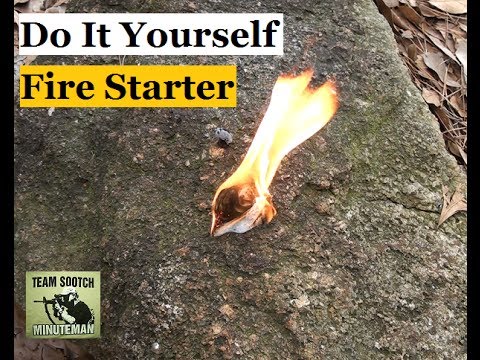
This guide details how to create an effective and inexpensive survival fire starter using common household items like cotton balls and petroleum jelly. The video, presented by SensiblePrepper, an established survivalist, demonstrates a simple assembly process and burn test, highlighting the significantly extended burn time compared to untreated cotton. It also touches on ignition techniques using fire steel.
This video focuses on cost-effective strategies for acquiring survival supplies to prepare for future crises. It emphasizes utilizing affordable avenues like yard sales, flea markets, and auctions to build preparedness without excessive spending. The core message is about smart purchasing to enhance readiness while being financially prudent.
You've reached the end! 8 videos loaded.
Gun Laws by State
Read firearms regulations for all 50 states + D.C.
Find Gun Dealers
Search licensed FFL dealers near you.