This video explains different handgun carry conditions, focusing on why Condition Two (hammer down on a live round) is generally discouraged for 1911-style pistols. It advocates for Condition One (cocked and locked) as the recommended carry method, detailing the risks associated with manually lowering the hammer on a loaded chamber. The instructor also demonstrates the safe procedure for dry firing a 1911.
Instruction from TheYankeeMarshal on the safe unloading procedure for a cocked-and-locked 1911 pistol. The expert emphasizes the critical first step of removing the magazine, followed by disengaging the safety and racking the slide to eject the chambered round. This technique ensures the firearm is rendered safe.
This guide details the proper technique for carrying a 1911 pistol, emphasizing the 'cocked and locked' (Condition 1) method. It covers the importance of engaging the manual thumb safety due to the 1911's light trigger pull and provides steps for safely disengaging the safety as part of the draw stroke, turning a potential hesitation into an instinctive action through practice.
This video explores the discontinuation of the Heckler & Koch P2000, examining its origins as an offshoot of the USP line and its product improvements. The instructor details the P2000's features, including its ambidextrous controls, standard Picatinny rail, and interchangeable backstraps, contrasting them with the USP. A significant portion is dedicated to explaining the various trigger systems available for the USP and P2000, particularly the LEM (Law Enforcement Modification) trigger, highlighting its benefits for consistent trigger pull and accuracy. The video concludes by discussing the P2000's 'middle child syndrome,' overshadowed by the USP's retro appeal and the P30's modern features, leading to its discontinuation.
The video argues that 1911 pistols remain viable for concealed carry and self-defense in the modern era. The presenter highlights the superior trigger quality of the 1911 platform and considers it safer than striker-fired handguns when carried 'cocked and locked' with the safety engaged. While expressing a preference for 10mm as the ideal caliber for a 1911 carry gun, the discussion acknowledges the viability of 9mm and even 45 ACP, emphasizing the importance of testing carry ammunition.
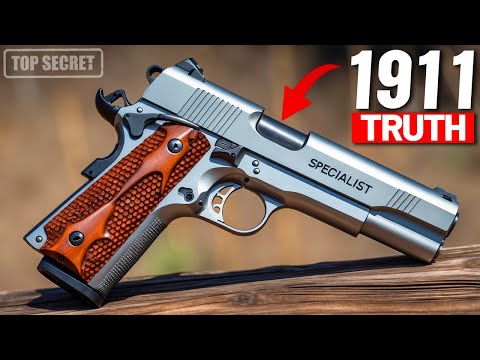
This video reveals surprising truths about the 1911 pistol, emphasizing safe carry practices and its inherent design advantages. It details why 'cocked and locked' (Condition One) is the intended and safest method for carrying a 1911, warning against manual hammer lowering. The instructor highlights the 1911's exceptional shootability, ergonomics, and trigger quality, explaining why it remains a top-tier handgun. The discussion also covers the phasing out of the 1911 from US military service, the existence of double-stack '2011' variants, and the critical differences in internal safety mechanisms (Series 70, 80, Schwarz) and their impact on drop safety and trigger feel. Finally, it stresses the importance of professional gunsmithing for 1911 parts, as they are typically not plug-and-play.
This video explores the evolution of the Beretta 92 platform, comparing the performance-oriented 92X Performance with the more carry-focused 92 GTS. Key differences include the GTS's lighter aluminum frame, frame-mounted decocker, and thinner slide. The discussion highlights the impact of optic mounting height on presentation and the potential issues with fiber optic sights in variable lighting. It also touches on aftermarket modifications like lower optic mounts and the historical lineage of the 92 series from the Walther P38.
This review covers the E.A.A. Girsan MC14G84, a Turkish-made pistol that clones the Beretta Model 84. The presenter highlights its double-action/single-action capability, manual safety allowing for cocked-and-locked carry, and the absence of a magazine disconnect. The review also touches on its 380 ACP caliber, open slide design, and a suggested loading technique for those with difficulty racking the slide.
This guide, based on insights from Hickok45, details the safe demonstration of carrying a 1911 pistol 'cocked and locked.' It emphasizes understanding and utilizing the firearm's manual thumb safety and grip safety for secure concealed carry. The thin profile of the 1911 is highlighted as a key advantage for discreet transport.
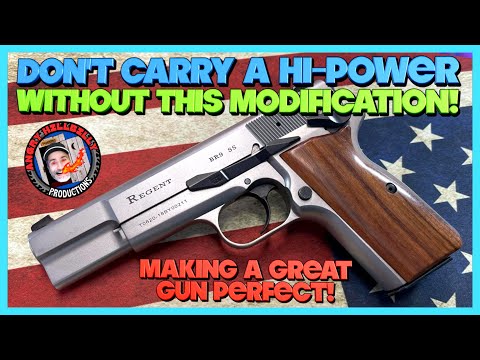
This video details the installation and function of the RDI Hammer for the Browning Hi-Power pistol, a modification designed to enhance safety and carry comfort. The RDI Hammer allows the pistol to be carried with the hammer forward, engaging the safety, and automatically cocks the hammer when the safety is disengaged, offering a perceived safer alternative to traditional cocked-and-locked carry for some users. The presenter, TheYankeeMarshal, highlights its benefits for those uncomfortable with a fully cocked hammer and its utility in quickly re-engaging the safety.
This review of the FN 57 Mark III highlights its unique 5.7x28mm chambering and RMR-ready slide. The presenter criticizes the firearm as a 'gimmicky' and overpriced option, noting its internal hammer mechanism and manual safety. Despite its perceived shortcomings, it's included in the presenter's carry rotation, with specific mention of Washington state's magazine capacity restrictions impacting its utility.
This entry details an experiment where Othais open carried a 1911 for a week to gauge public reactions. It highlights how common misconceptions about carrying a 1911 in Condition 1 (cocked and locked) can lead to unwarranted concern, potentially influencing trends like law enforcement's move towards striker-fired pistols. The content emphasizes understanding firearm conditions and public perception.
Gun Laws by State
Read firearms regulations for all 50 states + D.C.
Find Gun Dealers
Search licensed FFL dealers near you.