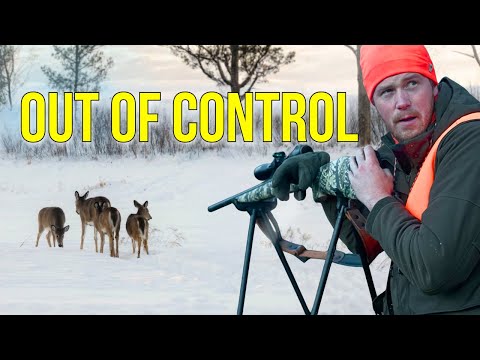
This video explores the ecological impact of white-tailed deer overpopulation in the Hudson Valley, New York, and advocates for hunting as a crucial management tool. It details the process from ethical harvesting and field dressing to understanding the broader conservation implications. The content emphasizes the importance of a balanced ecosystem and the role hunters play in achieving it, highlighting the need for collaboration among stakeholders and adherence to safe, responsible hunting practices.
This episode of the Long Range Pursuit podcast features a discussion with Carl Vanzel of JohnX Safaris, highlighting the evolution of long-range hunting, ethical considerations, and advanced game management practices. The conversation delves into the business growth of JohnX Safaris, the challenges and rewards of conservation efforts like the Kudu project at Woodlands, and the importance of hunter education in promoting sustainable hunting. It also touches upon the advancements in firearm technology and optics that have influenced hunting techniques and success rates.
This "No FUD Zone" podcast episode features a panel discussion on various Second Amendment and firearms-related topics. The discussion includes a critical analysis of political administrations' impact on gun rights, a debate on the ethics and effectiveness of big game hunting, and advice on selecting a self-defense handgun for individuals with physical limitations. The panel also touches on firearm manufacturing origins and the nuances of gun ownership across the political spectrum.
This video, titled "Raised in the Woods — My Take on National Parks," appears to be a personal reflection or commentary on national parks, likely from the perspective of someone who grew up in a rural or wooded environment. While the title doesn't explicitly mention firearms, the analysis of similar content suggests a potential for outdoor activities, self-reliance themes, or even discussions about land use and the Second Amendment in the context of natural spaces. Without further information like a transcript, it's difficult to definitively link it to specific firearm topics, but the 'raised in the woods' aspect can sometimes correlate with outdoor recreational shooting or hunting discussions.
This video explores ancient American caves and rock shelters, highlighting their historical significance as potential early human campsites. However, the content also addresses the unfortunate degradation of these sites due to modern pollution, specifically the dumping of tires since the 1970s. The speaker, Clifton Hicks, identifies these archaeological features but chooses not to enter the deeper cave system.
This video alleges that the Catalina Conservancy is manipulating data to promote fear about deer causing wildfires. The description states this is false, as deer are selective grazers that reduce flammable growth. The video claims the Conservancy has been caught faking data by watering "control" plots to support an anti-deer narrative. It highlights #CatalinaIsland, #Conservation, #Wildlife, #CRPA, #DeerEradication, #FakeScience, #CaliforniaPolitics, #WildfireMyths, #ProtectWildlife, and #StopTheCulling.
This video discusses alleged violations of scientific collection permits by the Catalina Conservancy. The description argues that the Conservancy plans to kill hundreds of deer under a permit intended for small, controlled research, with no universities or labs receiving specimens. The content frames this action as a violation of the law's intent, contrasting it with genuine scientific research and conservation efforts.
This video discusses the importance of Catalina Island's wildlife for the education of Southern California youth. It argues against the eradication of deer, framing it as a political manipulation rather than genuine conservation. The core message advocates for preserving the island for educational purposes and protecting its wildlife.
This video critiques the Catalina Island Conservancy's deer eradication plan, arguing it's a narrative driven by financial interests rather than supported by science. The content highlights a conflict between conservation efforts and what the creators perceive as flawed justifications for wildlife management. It touches upon political and environmental aspects of the issue, framing it as a potential scandal.
This video criticizes the Catalina Island Conservancy's plan to "eradicate" deer on the island, labeling it a "deer massacre" rather than conservation. The description highlights the use of ground-based "professional hunters" and questions the scientific basis of the plan, implying it's an "environmental scandal." The content appears to be a political commentary on wildlife management and animal rights issues.
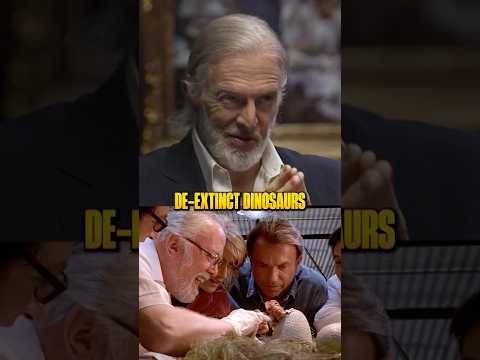
This video explores the speculative science behind de-extinction, discussing the challenges of cloning extinct animals like the Woolly Mammoth and Tasmanian Tiger. It touches upon genetic chimeras, ecosystem restoration, and the broader implications of synthetic biology, while also briefly considering the controversial topic of human cloning.
This video celebrates National Hunting & Fishing Day. While acknowledging that the Second Amendment is not solely about hunting, it emphasizes the importance of hunters supporting the Second Amendment. It directs viewers to GOA's Second Amendment Hunters resource for more information and provides links to join Gun Owners of America (GOA), their Facebook, Instagram, and Twitter profiles.
Gun Laws by State
Read firearms regulations for all 50 states + D.C.
Find Gun Dealers
Search licensed FFL dealers near you.