This guide analyzes the cost-effectiveness of reloading ammunition in 2026, drawing insights from an experienced instructor. It details component costs for calibers like 9mm, .223, and .300 Win Mag, comparing them to factory ammo prices. The analysis emphasizes the significant savings potential through brass reuse and calculates break-even points, suggesting reloading is most beneficial for high-volume shooters over the long term.
This guide details the process of reloading .308 Winchester ammunition, emphasizing cost savings and accuracy. It covers essential steps from brass preparation and powder measurement to bullet seating and final inspection. The video highlights the use of single-stage presses and various tools for consistent results, drawing on the speaker's 20 years of reloading experience.
This video explores the economics of buying ammunition in bulk. The speaker advises that while buying in large quantities can save money, the source is critical. They highlight that purchasing loose ammunition or from specific suppliers can be more cost-effective than buying pre-packaged boxes, especially for common calibers like 9mm and 12 Gauge. The speaker also mentions a specific supplier for reloaded 9mm ammunition offering discounts through a special list.
This guide synthesizes expert advice on bulk ammunition purchasing, drawing from a speaker with extensive experience buying over 50,000 rounds. It covers strategies for finding reliable suppliers, differentiating between cost-effective purchasing methods for various calibers like 9mm and 12 gauge, and emphasizes the importance of reliability testing. The advice is practical for shooters looking to optimize their ammunition budget without compromising quality.
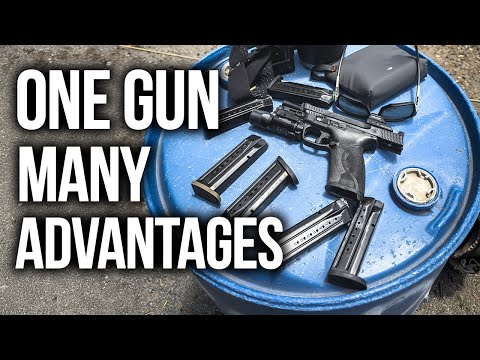
This video explains the significant advantages of owning multiple identical firearms, focusing on five key areas: familiar manual of arms, purpose-driven configurations, spare and interchangeable parts, backup readiness, and long-term cost savings. The speaker, an experienced firearm instructor, emphasizes how standardization builds neural efficiency and muscle memory, crucial under pressure. Owning multiple of the same model allows for specialized configurations without compromising handling mechanics, simplifies parts and maintenance logistics, and ensures readiness in case of equipment failure.
This guide details how to zero a red dot sight on a firearm using a bore sighter, as demonstrated by Civilian Tactical. The process emphasizes pre-range preparation to save ammunition and time. It covers selecting the correct adapter, aligning the laser with the optic, and making precise adjustments for accurate zeroing, particularly highlighting a 1.2-inch offset technique for a 25-yard zero. The speaker, exhibiting high authority, provides practical, technical instructions for this specialized task.
SHORTSHOT TONY, a shooting enthusiast and content creator, shares his strategy for frequent shooting by purchasing ammunition in bulk. He emphasizes that buying 500-1000 rounds at a time from suppliers like Delta Co Munitions is key to affordability, not wealth.
Ben White of Tactical Fellowship outlines three key reasons to embrace reloading: saving money, achieving ammunition independence, and finding enjoyment in the process. He emphasizes that while initial equipment costs exist, long-term savings are realized, particularly with calibers like 45 ACP and 300 Blackout. Reloading is presented as a fundamental aspect of firearm freedom, akin to a personal ammunition factory, and a challenging yet rewarding skill that fosters personal growth and can be passed down through generations.
This video directly addresses the common question of why someone would choose to reload ammunition when factory loads are readily available and generally reliable. The title suggests the video will present compelling reasons, likely focusing on cost savings, customization, quality control, or hobbyist enjoyment, implicitly contrasting the benefits of handloaded ammunition against the perceived sufficiency of commercial offerings.
This video provides expert advice on how to stockpile ammunition effectively and save money. The instructor, from God Family and Guns, emphasizes prioritizing primary firearms for stockpiling, recommending 1,000 rounds or more for calibers like 9mm, .22 LR, 12 gauge, and 5.56. For secondary or tertiary firearms, such as hunting rifles used infrequently, a smaller quantity of a few hundred rounds or a couple of boxes is suggested to avoid waste and unnecessary expense.
This guide details how to use the Mantis Blackbeard X for cost-effective dry fire practice on an AR-10 platform, specifically demonstrated with an 8.6 Blackout caliber rifle. The host, a specialized firearms content creator, highlights how this training tool can save significant money on ammunition costs by simulating live fire with laser feedback and an auto-resetting trigger. The process involves replacing the rifle's BCG and magazine with the Mantis system for safe, repeatable training sessions.
This video from GUNBROS provides essential advice for potential buyers of used firearms. It emphasizes that while used guns offer cost savings, buyers must possess the knowledge to assess a firearm's condition and potential reliability issues, especially those with high round counts. The advice strongly suggests that new shooters should opt for new firearms to ensure reliability, while experienced individuals like gunsmiths may find value in used options.
Gun Laws by State
Read firearms regulations for all 50 states + D.C.
Find Gun Dealers
Search licensed FFL dealers near you.