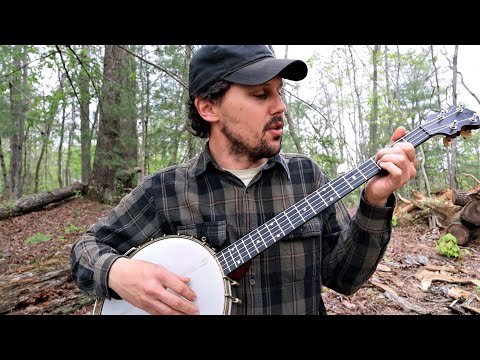
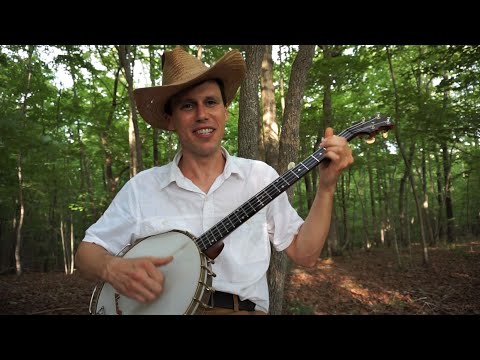
This YouTube video features a banjo lesson for the song "Bright Sunny South," learned from a 1960s recording by Dock Boggs. The instructor, Clifton Hicks, mentions that noteworthy versions have also been recorded by Merle & Doc Watson, and Alison Krauss & Dan Tyminski. He specifies the tuning and instrument used: an 1888 Thompson & Odell "The Luscomb" banjo tuned fCFA♯C ~ gDGCD. The video also includes lyrics to the song, which speaks of a young man going to war. Links are provided for the TAB, Patreon, BanjoHeritage.com, and various social media and purchase platforms.
This YouTube video features a performance of the song "Bright Sunny South" by Clifton Hicks. The description highlights the song's origins, with Hicks learning it from a Dock Boggs recording and mentioning notable versions by Merle & Doc Watson and Alison Krauss & Dan Tyminski. Hicks's instrument is identified as an 1888 Thompson & Odell "The Luscomb" banjo, tuned to gDGCD. The description also includes various links for supporting Clifton Hicks's banjo heritage work, including Patreon, SubscribeStar, Bandcamp, and merchandise.
This YouTube video is a clawhammer banjo lesson focusing on the song "Unquiet Grave" (also known as "Cold Blows the Wind"). The instructor, Clifton Hicks, explains an original arrangement for two-finger banjo in 3/4 time, learned from Hedy West and Doc Watson. The video includes lyrics and provides a link to TABs via Patreon. It also features links to merchandise, Bandcamp, and social media platforms.
This video presents a traditional banjo lesson on the early folk ballad "Hiram Hubbard." The instructor, Clifton Hicks, learned the song from Jake Book, who in turn learned it from a recording of Jean Ritchie and Doc Watson. The video details the specific banjo tuning used (Luscomb banjo tuned gDGBD relative, e B E G# B actual) and provides the lyrics to the song. It also promotes various ways to support the instructor's work, including Patreon, Bandcamp, merchandise, and direct donations. The description also lists a broad range of banjo styles, historical influences, and related musicians, highlighting the rich heritage of Appalachian folk music.
This YouTube video features Clifton Hicks performing the folk song "Hiram Hubbard," learned from Jake Book, who in turn learned it from recordings by Jean Ritchie & Doc Watson. The performance utilizes an 1888 Luscomb banjo tuned to gDGBD relative (fCFAC actual). The description details the song's narrative about Hiram Hubbard and his alleged wrongful execution, mentioning he was supposedly ninety miles away at the time. The creator provides multiple links for supporting their work, including Patreon, Bandcamp, a T-shirt store, PayPal, Venmo, Spotify, and iTunes.
This YouTube video offers a traditional banjo lesson focusing on the ballad "Naomi Wise," also known as "Omie Wise" or "Oma Wise." The lesson covers the specific "Omie Wise tuning" (gCGAD relative/eAEF# B actual) and demonstrates clawhammer style playing. The description provides historical context for the song's subject, Naomi Wise, and recommends other artists for variations of the ballad. It also includes links to the instructor's Patreon, Bandcamp, merchandise, and social media platforms.
This video features a clawhammer banjo performance of the song "Trouble On My Mind." The description delves into the song's historical context, referencing its themes of oppression and the "whipping post," which are tied to both African American and working-class white experiences in the Antebellum South. It also lists several artists and recordings that feature variations of the song, providing a rich backdrop for the musical piece. The description concludes with links to the artist's various social media and monetization platforms.
This YouTube video features a traditional banjo lesson focusing on the song "Muskrat." The description provides lyrics to the song and links to the creator's Patreon, Bandcamp, Spotify, iTunes, Venmo, and PayPal. While the song's lyrics mention "skinned you out tack you up / Made this banjo head," there is no direct or indirect mention of firearms, ammunition, manufacturers, or any related topics. The content is solely about traditional folk music and banjo instruction.
You've reached the end! 8 videos loaded.
Gun Laws by State
Read firearms regulations for all 50 states + D.C.
Find Gun Dealers
Search licensed FFL dealers near you.