This video discusses potential impacts of California's proposed SB 948 bill, which could introduce significant new costs for firearm purchases. The bill might impose an 11% excise tax and a $300 fee on all firearm transactions, effectively increasing the price of firearms before a buyer can even test them. The speaker argues this would discourage firearm ownership and urges opposition to the bill.
This video discusses proposed changes to California's Firearm Safety Certificate (FSC) requirements, specifically focusing on Senate Bill 948. The bill aims to increase the FSC's barrier to entry by mandating an 8-hour training course, including live-fire exercises, for new applicants starting July 1, 2028. This is presented as a "zombie bill" with similar iterations seen previously.
Senate Bill 948 in California proposes to transform the existing Firearm Safety Certificate (FSC) into a licensing scheme. This bill would require individuals importing firearms into the state to obtain a valid FSC and include it in their report to the Department of Justice. Furthermore, starting July 1st, 2028, applicants for an FSC would need to complete an eight-hour training course, including live-fire exercises. Critics argue this bill creates unnecessary burdens, potential criminalization of unaware individuals, and exacerbates existing range capacity issues.
This video discusses the verified discontinuation of Glock's entire firearm line for importation into the US, effective November 1st. The primary driver cited is legal pressure and lawsuits related to the installation of 'switches' (auto sears). Glock is reportedly shifting to a new 'V Model' to comply with regulations and prevent the use of such devices, impacting popular models like the 17, 19, 45, and 47, while slimline models are expected to continue.
The ATF's public reporting has shifted dramatically in the last 30 days, moving away from arrests and FFL closures towards extensive publications of agency information collection activity. This includes data on records of acquisition, 30-day notices for collections, trace requests, applications for NFA items, and import applications for firearms and ammunition. This indicates a significant increase in data gathering by the ATF.
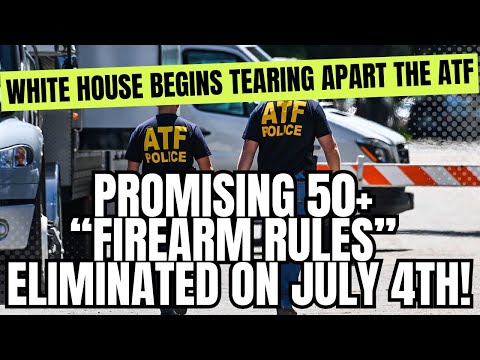
The Department of Justice, under White House direction, plans to eliminate or revise over 50 ATF rules and policies by July 4th. Key changes include simplifying Form 4473 by removing background questions, revoking the frame or receiver rule classifying 80% firearms as regulated, and potentially eliminating the arm brace rule. Import/export regulations and licensing fees are also targeted for revision, alongside a reduction in ATF inspector workforce and a shift in inspection focus from minor errors to significant violations.
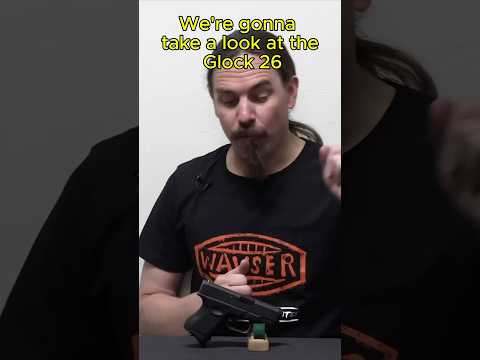
Ian McCollum details how Glock initially overcame ATF import regulations for the Glock 26. To meet the minimum 'points' required for legal import into the US, Glock added adjustable target sights and a 'target thumb rest' to the grip. These features were temporary compliance measures, often replaced with standard sights after import, and highlight the intricate process of bringing firearms into the country.
This video discusses the ongoing efforts by lawmakers to eliminate 'hidden' or residential Federal Firearms Licenses (FFLs). The speaker argues that these efforts are primarily driven by anti-Second Amendment individuals seeking to regulate and control the gun industry. The video highlights Michigan as a key state where this movement began, with a significant percentage of FFLs operating from residential areas.
This video provides an in-depth analysis of the Supreme Court's decision to overturn Chevron deference and its potential impact on firearms law and regulation. It discusses how the ruling might affect ATF enforcement, the interpretation of gun laws, and future litigation, particularly concerning areas like assault weapon bans and NFA items. The hosts also touch upon political commentary and the evolving landscape of firearm accessory regulations.
William Kirk, President of Washington Gun Law, explains the complexities of purchasing firearms banned in one's home state from out of state. He emphasizes that federal law, specifically 18 U.S.C. Sec. 922(b)(3), governs these transactions through Federal Firearms Licensees (FFLs), making it highly unlikely for FFLs to facilitate the purchase of prohibited firearms due to the risk of losing their licenses. The video highlights that while some firearm types might be exempt, state and federal regulations often prevent bypassing bans through out-of-state purchases.
This video features Jacob Fair, VP of Sales for SAR Firearms, discussing the complexities of importing firearms and ammunition into the US. He highlights the stringent regulations, logistical challenges, and cost factors involved, contrasting them with domestic manufacturing. The discussion also touches upon the evolving firearms market, the importance of consumer education, and the challenges posed by government overreach and regulatory changes.
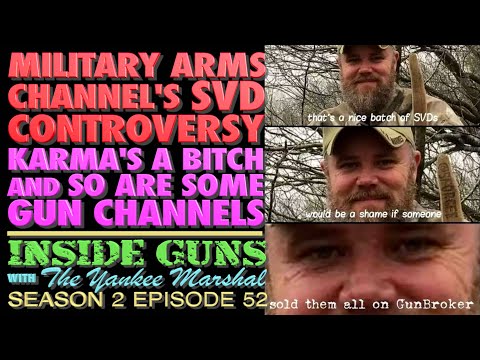
This video discusses a controversy involving Military Arms Channel (MAC) and Copper Customs regarding the importation and sale of SVD rifles. The speaker alleges MAC used his influence to acquire a batch of SVDs intended for a group buy, subsequently listing them on Gun Broker at a significant markup. The video highlights accusations of hypocrisy regarding price gouging and questions MAC's business ethics and financial transparency, contrasting it with the speaker's own charitable endeavors.
Gun Laws by State
Read firearms regulations for all 50 states + D.C.
Find Gun Dealers
Search licensed FFL dealers near you.