The Gen 6 Glock 17 features a redesigned extractor and plunger assembly, which is an independent unit. This redesign aims to prevent Loctite from contaminating the extractor/plunger area during optic mounting. While the speaker notes consistent ejection with previous models, this change also contributes to a slightly higher bore axis, similar to designs seen in Shadow Systems pistols.
The passage of AB1127 in California introduces a carve-out for firearm manufacturers, allowing them to update existing pistol designs that are subject to new restrictions. This provision enables companies like Glock to modify models, such as the Gen 3, to address legislative concerns and subsequently re-certify them for the California handgun roster.
The video discusses whether Glock's redesign of its firing mechanism, specifically the trigger bar to prevent compatibility with 'Glock switches,' will negatively impact sales. The speaker and commenters largely believe it will not significantly affect sales, as most Glock owners are not deeply familiar with the internal mechanics and prioritize the brand's perceived reliability and external appearance. The discussion also touches on the technical aspects of how Glock switches function with the current trigger bar design.
Mrgunsngear provides an in-depth analysis of Glock's decision to discontinue current production non-slimline models and introduce the 'V Series' starting December 1, 2024. This strategic shift is driven by legal pressures related to machine gun convertibility, with significant technical redesigns implemented to comply with new state laws. The V Series aims to maintain compatibility while addressing concerns about readily convertible firearms.
Glock is discontinuing most of its models, replacing them with a new 'V series' designed to prevent manipulation by auto-sears ('Glock switches'). This redesign is legally significant, primarily addressing California's Assembly Bill 1127, which defines 'machine gun convertible pistols.' The new design, by altering the trigger bar mechanism, aims to comply with the bill's exclusions for firearms not readily convertible to machine guns. Furthermore, this redesign is unlikely to harm Glock in ongoing lawsuits alleging public nuisance, due to Federal Rule of Evidence 407, which prevents the use of subsequent remedial measures as evidence of negligence or defect.
This video discusses potential solutions for the SIG P320's perceived issues, with the speaker suggesting SIG should offer upgrades like a heavier trigger pull (6-8 lbs), a trigger dongle, or an optional manual safety. The discussion highlights that while the gun may be safe if used correctly, many users make mistakes, and the P320 might not be forgiving of these errors. Viewer comments suggest similar solutions, including trigger spring upgrades and redesigns, while others argue the P320's reputation is too tainted.
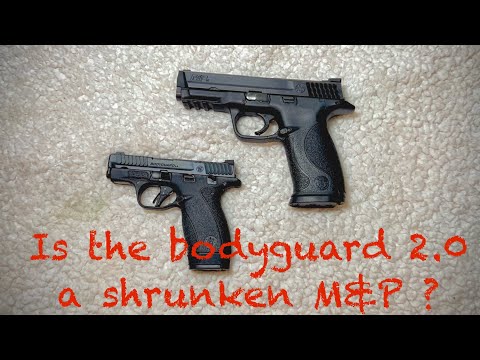
The Smith & Wesson Bodyguard 2.0 represents a significant redesign, moving away from the hammer-fired mechanism of the 1.0 model to a striker-fired system. It draws considerable design cues from the M&P line, particularly in its trigger guard shape, takedown features, and slide stop, suggesting it's more of an evolution within the M&P family than a direct successor to the original Bodyguard. The 2.0 features a flat-face trigger with a safety, a departure from the hinged triggers common in older M&P models.
You've reached the end! 7 videos loaded.
Gun Laws by State
Read firearms regulations for all 50 states + D.C.
Find Gun Dealers
Search licensed FFL dealers near you.