This guide details how to evaluate canned ham for long-term food storage, drawing on expert insights from Alaska Prepper. It covers inspecting cans for safety, understanding expiration dates per USDA guidelines, comparing brands like DAK and Iberia, and preparing the ham for consumption. The emphasis is on maintaining food quality and safety through proper storage and inspection, even with products significantly past their 'best by' date.
This guide details the process of preparing and rehydrating freeze-dried foods for long-term storage, as explained by former CIA Officer Jason Hanson. It covers selecting products, specific rehydration methods for meats and desserts, and best practices for storage to ensure food safety and longevity. Hanson emphasizes the importance of variety to avoid food fatigue and the economic benefits of stockpiling against inflation.
This YouTube Shorts video explores the concept of long-term food preservation, specifically focusing on "eggs that last 25 years." While the title and description heavily emphasize survival and nutrient preparation, there are no direct mentions or implications of firearms, ammunition, manufacturers, or related topics. The content appears to be solely focused on food science and survival preparedness in a broader sense, not firearms.
This video focuses on the long-term storage and shelf-life of canned beef, highlighting its durability for up to 25 years. While the title and description do not mention firearms, the content likely appeals to individuals interested in survival, preparedness, and long-term food storage, which often overlaps with the firearms and outdoor enthusiast communities.
This video, titled 'How Long Does Canned Meat REALLY Last', focuses on the shelf life and preservation of canned meat products. It aims to inform viewers about the longevity and safety of consuming canned meats over extended periods. While the title and description do not directly mention firearms, the context of 'canned meat' can be relevant to survival, preparedness, and long-term storage scenarios, which often overlap with firearm enthusiasts' interests in emergency kits and off-grid living.
This guide details the process of making venison breakfast sausage, emphasizing the importance of fat-to-meat ratios (25-30% recommended) and the benefits of a dual grind using coarse and fine plates. The instructor, John Wallace of Wild Game Cook, demonstrates how to prepare the meat, mix seasonings, grind twice, and package the sausage either in bulk or as patties using a vacuum sealer for preservation. The technique ensures a texture and flavor comparable to store-bought breakfast sausage.
This guide details how to add fat to ground venison for improved flavor and texture. It covers selecting fat sources like pork or beef, calculating the correct fat-to-meat ratio (typically 20%), inspecting fat for quality, and the grinding and packaging process. The video emphasizes using cold ingredients and offers insights into different packaging methods like vacuum sealing for long-term storage.
This video demonstrates how to grind your own game meat for burger. The presenter uses a 5 lb bag of cubed venison and mixes it with beef fat at an 80/20 ratio. The mixture is then run through an LM Big Bite meat grinder, which features a 3/4 horsepower motor and interchangeable stainless steel plates for different textures. The process results in approximately 20 lbs of homemade burger, highlighting the benefits of processing your own game meat.
This YouTube video focuses on stocking up on canned meats for long-term survival, emphasizing their longevity and potential necessity. The creator showcases various canned meats, discusses their storage, and even samples older jars. While the primary topic is food preparedness, the description includes numerous affiliate links to survival gear, solar generators, water filters, and other prepper-related items, suggesting a broader prepper audience. The video is not directly about firearms, but the creator's persona and the context of "need" could appeal to those interested in self-sufficiency and preparedness.
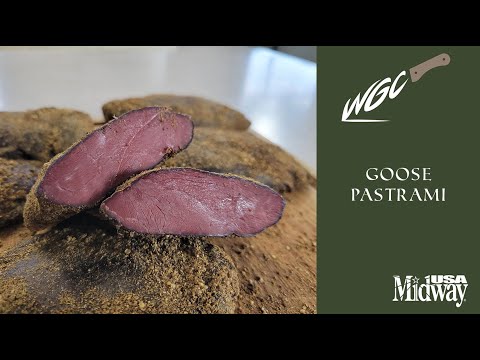
This guide details the process of making goose pastrami, from trimming and curing the wild game meat to smoking it to perfection. It emphasizes the importance of proper curing times, developing a pellicle for better smoke adhesion, and achieving the correct internal temperature for a safe and delicious final product. The recipe includes specific measurements for a dry cure and spice rub, along with instructions for smoker setup and monitoring.
This video focuses on the critical importance of salt for SHTF (Survival Scenario) preparedness. It emphasizes that salt is an affordable and easily stored item with multiple survival applications including consumption, healthcare, and preservation. The creator urges viewers to stockpile salt while it is still cheap and abundant, positioning it as a foundational element for any prepper's supplies. The video also promotes the creator's website for more prepping information and their SubscribeStar for exclusive content and incentives.
This video explores the durability of food storage items when subjected to shotgun impacts. It directly addresses the effectiveness and potential destruction of common food storage materials under ballistic stress from a shotgun, with a focus on practical testing and demonstration. The content leans towards an experimental and potentially destructive testing approach common in firearms and survival-related content.
Gun Laws by State
Read firearms regulations for all 50 states + D.C.
Find Gun Dealers
Search licensed FFL dealers near you.