This video from Forgotten Weapons reviews the final prices from the December 2017 Rock Island Premier Auction. Expert Ian McCollum details a variety of rare and unique firearms, including custom pistols by John Martz, historical military arms, and unusual curiosities. The auction showcased significant market interest in collectible firearms, with prices ranging from under $2,000 to over $34,000 for exceptional pieces.
This guide details the unique breech-loading and ignition system of the Greene Carbine, as demonstrated by Ian McCollum. It covers the barrel rotation and pivoting sequence for loading, and the operation of the Maynard tape primer. The video highlights the complexity of the mechanism, which ultimately contributed to the carbine's failure in service.
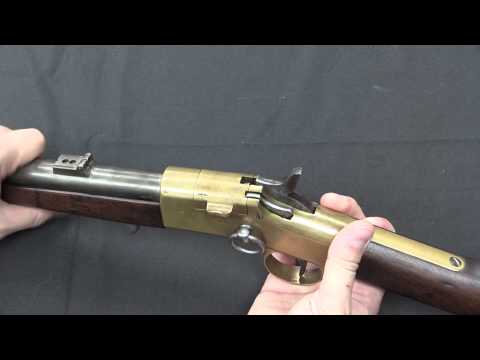
The Warner Carbine, a Civil War breech-loader, featured a pivoting breechblock mechanism. Early Warner-Greene models in .50 Warner rimfire were followed by a second pattern in .56 Spencer, some of which were later sold as surplus to France and potentially converted to centerfire. Despite its innovative design, troops disliked it due to ammunition issues and extraction failures.
You've reached the end! 3 videos loaded.
Gun Laws by State
Read firearms regulations for all 50 states + D.C.
Find Gun Dealers
Search licensed FFL dealers near you.