This video analyzes the cost-effectiveness of reloading ammunition in 2026, focusing on common calibers like 9mm, .223/5.56, and larger calibers such as .300 Win Mag. It details the costs of components (primers, powder, brass, bullets) and compares them to factory ammunition prices. The analysis highlights that reloading is only cost-effective for those shooting a significant volume of rounds annually (at least 1,000 per year) and who can reuse brass multiple times, with a break-even point typically occurring after 3 years for common calibers and 2 years for larger calibers, assuming initial equipment costs are already covered.
This video analyzes the cost-effectiveness of reloading ammunition in 2026, focusing on common calibers like 9mm and .223/5.56, as well as larger calibers like .300 Win Mag. It highlights that while reloading can offer savings, the initial cost of equipment and the current high price of brass, often imported from India and China, significantly impact the break-even point. The analysis suggests that reloading is most beneficial for those with a long-term shooting plan, typically breaking even after three years for common calibers and two years for larger ones, assuming brass is reused.
The video warns of an impending, potentially historic ammunition shortage due to a global gunpowder scarcity. The speaker, citing information from a major ammunition manufacturer, advises viewers to stock up on ammunition, especially common calibers like 9mm, 22LR, 380 ACP, and 45 ACP, as production may shift and prices are expected to rise significantly. The advice is presented as a fair warning for preparedness, not a scare tactic.
This video demonstrates the ignition properties of pistol, rifle, and shotgun powders by heating them in a pan on a camping stove. The experiment, presented by Civilian Tactical, shows that rifle powder ignites first with a large flash, followed by shotgun powder, while pistol powder ignites slowest with a smaller flash. The presenter, exhibiting experienced authority, clarifies the difference between a flash and an explosion, highlighting the educational content available at SDI.TODAY.
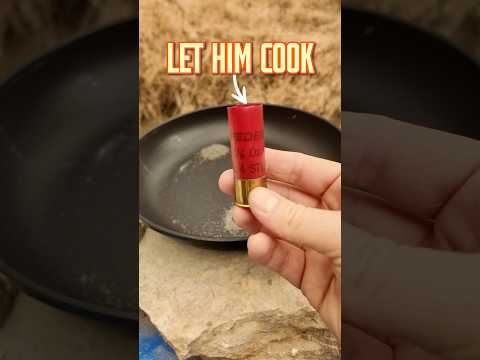
This short video demonstrates the process of emptying cartridge casings to reveal gunpowder, pouring it into a dish, and igniting it. The content is primarily visual and lacks in-depth technical explanation or safety protocols beyond the implied handling of components.
The YouTube video is titled 'My Most Energetic Ammunition,' suggesting a focus on high-powered or potent firearm rounds. While the description is absent, the title alone implies content related to the performance and characteristics of powerful ammunition, potentially involving firearms that can handle such energetic loads. This could include discussions on recoil, ballistic performance, or specific applications where such ammunition is favored.
This video demonstrates igniting a trail of gunpowder laid out in a pattern. The creator acknowledges the risks involved in such experiments. While visually interesting, it lacks practical firearm application or detailed technical instruction.
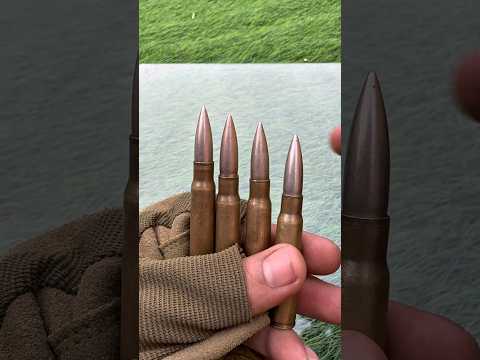
This YouTube Short focuses on the Kar98k rifle, specifically highlighting the visual effect of gunpowder burn, indicated by the fire emoji. The title and description also include general hashtags like #shorts, #feed, and #trending, along with terms related to gaming and firearms such as #gaming, #pubg, #trendingreels, #mauser, and #AK-47. While the primary focus appears to be a visual display, the inclusion of specific firearm models suggests a potential interest in historical firearms and gaming applications.
This guide details the disassembly of a Shershen 12-gauge rifled sabot slug, revealing its expansive slug and sabot design. It also demonstrates a method for testing gunpowder burn rate using a small sample, timed at approximately 1.81 seconds in the video. The process highlights the technical enthusiast's approach with precise techniques and specialized tools.
This video demonstrates how to diagnose and resolve a 'dry ball' situation in black powder firearms, where a projectile becomes stuck in the chamber. The speaker, Deuce, explains that this often occurs due to forgotten gunpowder charges. He illustrates the process of disassembling a revolver, identifying the issue, and then using a small charge of black powder to fire the stuck ball out, offering alternative methods as well.
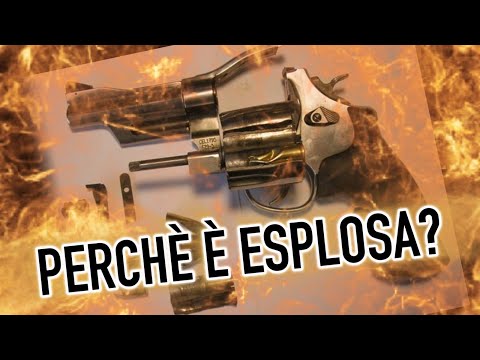
This video explains the dangerous phenomenon of Deflagration to Detonation Transition (DDT) in firearms. Professional gunsmith Guido details how gunpowder normally deflagrates, creating controlled pressure. He warns that DDT, where gunpowder detonates, can occur due to improper loading, especially with low powder charges in long cases, leading to catastrophic firearm failure. The video emphasizes meticulous reloading practices to avoid this risk.
This video, titled 'Pólvora Explode Violentamente? (Teste em Desenho)', appears to be a visual demonstration or simulation of gunpowder's explosive properties, likely in a stylized or animated format rather than a live-fire test. The title suggests an investigation into the violent nature of gunpowder, presented through a drawing or animation. It is not a direct demonstration of firearm functionality but rather an exploration of a core component of ammunition.
Gun Laws by State
Read firearms regulations for all 50 states + D.C.
Find Gun Dealers
Search licensed FFL dealers near you.