Choosing the correct Bolt Carrier Group (BCG) is crucial for AR-15 reliability and longevity. Key considerations include the steel type (Carpenter-158 vs. 9310), manufacturing processes like shot peening and case hardening, and quality control tests such as MPI and HPT. Different coatings offer varying benefits, and understanding their impact on tolerances is vital for optimal performance. Enhanced features can further improve reliability.
This video from AT3 Tactical provides an expert-level breakdown of Bolt Carrier Groups (BCGs) for AR-15 platforms. Instructor C.J. details the critical role of BCGs, explaining how material composition (Carpenter 158, 9310, 8620 steel), advanced coatings (Phosphate, Nitride, Nickel Boron, DLC), and special features like full-auto profiles and properly staked gas keys influence performance and price. The content is highly technical, utilizing metrics like tensile strength (MPA) and coefficient of friction (COF) to guide consumers toward informed purchasing decisions.
This YouTube Shorts video features the Rise Armament 434 HPT, indicated by the title and gun emoji. The "Trigger Warning ⚠️ 🔫😳" suggests the content might be sensitive or intense, possibly involving firearms. The "#shorts" tag signifies it's a short-form video. Based solely on the title, the focus is on a specific firearm model and its potential implications or demonstration.
This YouTube Short focuses on the Modern Armory NP3 C-158 Bolt Carrier Group (BCG) for AR-15 platforms. The video highlights its high-quality construction, including M16 8620 Tool Steel Carrier, Carpenter 158 Steel Bolt, S7 Tool Steel Extractor, and NP3 PTFE coating. It emphasizes the value proposition of a premium BCG at an accessible price point, mentioning features like HPT/MPI testing and Mil-Spec assembly. The description also promotes supporting the channel through website visits, affiliates, and Super Thanks, while advocating for Second Amendment rights against platform suppression. A comprehensive list of affiliate links for various firearm and gear manufacturers is provided, along with a disclaimer for viewer safety and legal compliance.
This guide breaks down the complex, mission-critical function of the AR-15 Bolt Carrier Group (BCG), explaining its eight distinct jobs during the firing cycle. Expert insights cover materials like Carpenter 158 steel, quality control tests such as MPI and HPT, and the importance of a properly staked gas key. It also explores various BCG enhancements and provides selection advice for different user needs.
This guide, drawing on extensive military and law enforcement experience, details critical AR-15 build components to avoid catastrophic failures. It emphasizes selecting quality barrels and BCGs, understanding material choices like 4150 CMV and 416R SS, and ensuring proper inspection marks (MPI, HPT). The advice covers receiver sets, gas blocks, rails, and ergonomic upgrades, offering practical insights for builders and owners focused on reliability and safety.
This guide details the cleaning and maintenance of an Aero Precision 5.56 Nickel Boron (NiB) Bolt Carrier Group (BCG) based on expert review. The video highlights the exceptional ease of cleaning associated with the NiB finish, even after significant use. It emphasizes the importance of the BCG as a critical component for AR-15 reliability and provides insights into its material specifications and performance over hundreds of rounds.
This guide details the installation of the BCM BFH Barrel and KMR Alpha Handguard for an AR-15 platform. It emphasizes proper safety protocols and the technical specifications of these components, drawing from the expertise of a seasoned firearms reviewer. The BCM BFH barrel is known for its durability and accuracy, while the KMR Alpha handguard offers a lightweight and modular platform for accessories.
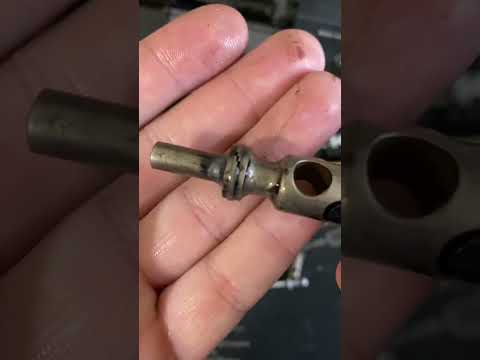
This review covers the Umbrella Corporation AR-15 Bolt Carrier Group (BCG), highlighting its generally milspec construction with a focus on published specifications. The BCG features a bolt made from Carpenter 158 steel, heat-treated, shot peened, HPT, and MPI tested individually. The carrier is constructed from 8620 steel with chrome lining, and the gas key is machined from 4130 Chrome Moly steel with robust staking. The reviewer notes zero malfunctions in various firearms and praises the company's transparency in publishing detailed specs.
This guide, presented by an instructor with 20 years of AR-15 experience, details how to identify Mil-Spec AR-15 and M16 bolt carrier groups (BCGs). It covers key identification features like the rear shroud cut, explains Mil-Spec criteria (Carpenter 158 steel, Parkerized exterior, chrome-lined interior), and demonstrates proper BCG disassembly, cleaning, and maintenance, including checking gas ring tension and the importance of gas key staking.
You've reached the end! 10 videos loaded.
Gun Laws by State
Read firearms regulations for all 50 states + D.C.
Find Gun Dealers
Search licensed FFL dealers near you.




![Umbrella Corporation AR-15 Bolt Carrier Group [BCG] Review (HD)](https://i.ytimg.com/vi/54ye0g7M2_0/hqdefault.jpg)

