This guide details the meticulous gunsmithing process for repairing a Luger Carbine grip, including immobilization, precision cutting, inletting with blacking, and final checkering. It also provides an expert explanation of the Luger's complex toggle-action mechanism, drawing comparisons to other historical firearms. The instruction comes from Master Gunsmith Mark Novak, known for his deep historical and mechanical knowledge.
This video details the process of inletting a reproduction nose cap onto a Walther K43 rifle's wood stock. The instructor emphasizes a meticulous approach, using inletting black to identify contact points and a sharp chisel to carefully remove wood. The goal is a snug fit that doesn't impede disassembly, highlighting the importance of patience and working with the wood grain. The process also touches on other repair aspects like filling drilled holes and the rifle's unique two-stage trigger.
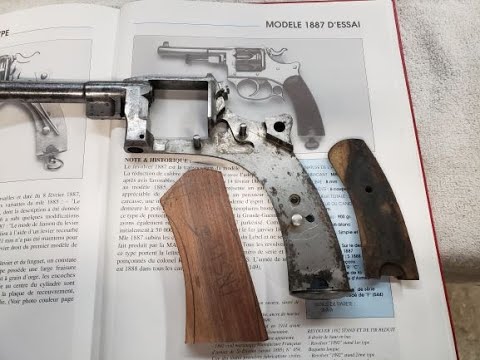
This video details the intricate process of fabricating replacement grips for a French revolver. Lead Firearms Instructor Mark Novak guides viewers through the challenges of replicating original grips, including precise inletting for frame components and the complex shaping required for a proper fit. The process involves detailed woodworking, careful fitting, and the application of checkering, emphasizing the skill and time investment needed for such restoration work.
This guide details the process of crafting a custom grip for a Remington Rolling Block Navy Model Pistol, presented by expert Larry Potterfield. It covers template creation, rough shaping, precise inletting for tangs and the mainspring, drilling, final shaping, and finishing with linseed oil and bone black. The instruction emphasizes meticulous fitting and tool usage for a professional result.
This guide details the process of fitting a steel forend tip to a rolling block rifle's wooden forend. It emphasizes patience and precision, starting with mating the tip to the barrel and then carefully inletting it into the wood using tools like Dykem, files, chisels, and in-letting black for fine-tuning. The process concludes with drilling, countersinking, and securing the tip with a screw.
This guide details the process of fitting a forend iron to the wood of a side-by-side shotgun, a task that can be complex. Expert instructor Larry Potterfield demonstrates the use of specialized tools like wood chisels and inletting black to achieve a precise fit. The steps involve preparing the wood, identifying contact points with inletting black, carefully chiseling away excess material, and then installing the iron's various components and the forend tip.
You've reached the end! 6 videos loaded.
Gun Laws by State
Read firearms regulations for all 50 states + D.C.
Find Gun Dealers
Search licensed FFL dealers near you.