This video, titled "Why I love (and can't handle) conflict," is an announcement for a live stream scheduled for 6 PM Pacific. Based solely on the title and description, it's unclear if the video itself will feature firearms content. The title suggests a discussion about personal tendencies towards conflict, which could be metaphorical or literal. Without a transcript or visual information, it's impossible to determine the specific firearms, calibers, manufacturers, topics, or gear that might be discussed or showcased during the live event. Therefore, the tags and category are based on potential interpretations of the title in a firearms context, acknowledging the lack of direct evidence.
This video, titled 'Why 'How You Doing?' Is the Worst Greeting,' focuses on communication and social interaction, specifically critiquing a common, informal greeting. Based solely on the title and description, the content appears to be about social etiquette, the nuances of verbal communication, and potentially why this particular phrase might be perceived negatively or ineffectively in various contexts. It does not appear to relate to firearms or any of the specified firearms-related categories.
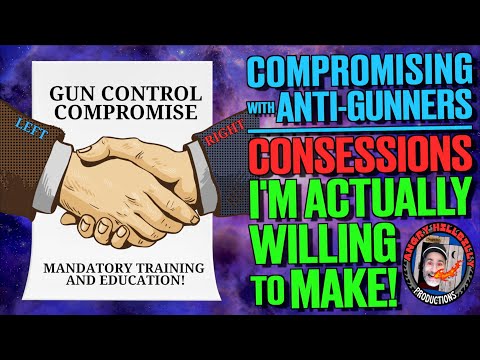
The speaker, identifying as a Second Amendment absolutist, proposes a compromise focused on comprehensive firearm safety and life skills education for youth. This includes mandatory training from a young age using toy models, progressing to live-fire exercises in junior and high school, and crucially, integrating conflict resolution and emotional intelligence development. The goal is to foster responsible gun owners and reduce incidents stemming from lack of knowledge or emotional instability, rather than infringing on adult rights.
This video argues that military experience alone does not automatically qualify someone as an effective firearms instructor. While military service provides valuable skills like operating under stress and discipline, the ability to teach is a separate art. Effective instruction requires strong communication and the ability to adapt to diverse student learning styles, which are not inherent to military training. Civilian instructors can be equally effective, and specialized instructor training, like the USCCA program, is crucial for developing teaching proficiency.
This video focuses on strategies and techniques for de-escalating potentially confrontational situations. The core theme revolves around conflict avoidance, emphasizing proactive measures and mindful communication to prevent altercations. While the title is broad, the underlying principles can be applied to various scenarios where personal safety is a concern, including those that might involve firearms or self-defense preparedness.
This video focuses on strategies for managing difficult behavior within the context of conflict avoidance. While the title and description do not directly mention firearms, the nuanced approach to de-escalation and interpersonal conflict resolution can be indirectly relevant to self-defense scenarios where verbal commands or avoidance are the primary tactics before resorting to lethal force. The content aims to provide viewers with tools to navigate challenging social interactions.
This video focuses on developing problem-solving skills by understanding and interpreting behavioral communication. It emphasizes the importance of recognizing both verbal and non-verbal cues to effectively respond to situations and de-escalate potential conflicts. The core message revolves around better communication and interpersonal skills.
This video explores the concept of justified feelings within relationships by examining reasonable expectations. It delves into how personal expectations can align with or deviate from reality, impacting emotional responses and relationship dynamics. The content appears to focus on psychological and interpersonal aspects rather than any specific products or activities.
This video argues that most mass shootings stem from societal failures in addressing the welfare and social integration of vulnerable youth, rather than firearm availability. The speaker, identified as The Yankee Marshal, emphasizes that schools and society must actively combat bullying and ostracization, fostering an environment of acceptance and empathy. He suggests that simple acts of kindness, like high-fives and positive reinforcement, coupled with educators fulfilling their duty to support students' emotional well-being, can significantly reduce the likelihood of individuals becoming radicalized or resorting to violence.
This YouTube video preview, titled 'Communication,' focuses on the common leadership trait that often causes issues: communication. It's presented as a snippet from a weekly membership video. The creator encourages viewers to subscribe for more content based on their career experiences. The video is available for free on SOB TV.
This episode of the 307 Podcast, featuring insights from Brooke and Chad, delves into crucial communication tactics, techniques, and procedures. They emphasize the importance of active listening, controlling one's speech, and showing genuine interest in others. Drawing parallels from military communication and principles from Dale Carnegie's 'How to Win Friends and Influence People,' the discussion covers bad communication habits, the art of concise messaging, and building effective chains of command. The hosts advocate for empowering individuals, acknowledging positive behavior, and delivering feedback constructively to foster better relationships and team dynamics.
You've reached the end! 11 videos loaded.
Gun Laws by State
Read firearms regulations for all 50 states + D.C.
Find Gun Dealers
Search licensed FFL dealers near you.