This YouTube video from Shawn Ryan Show, titled 'Who Do You Think Should Be in Jail?', appears to be a discussion or interview related to crime and the justice system, potentially touching upon individuals or cases. The description heavily promotes channel memberships, Patreon support, and podcast reviews for the 'Shawn Ryan Show' and 'Vigilance Elite'. It includes hashtags related to true crime and legal discussions, indicating a focus on societal issues and accountability.
This episode of the Shawn Ryan Show features U.S. Representative Ro Khanna discussing the implications of the recently released Epstein Files. The conversation delves into how Jeffrey Epstein gained access to powerful and wealthy individuals, exploring the concept of a two-tier justice system in America. They also touch upon themes of elite accountability, leadership's moral crisis, and the barriers to congressional action. The discussion extends to global fallout, the depth of Epstein's network, and perspectives from survivors, advocating for transparency and truth.
This video discusses an update on the Alec Baldwin case, focusing on the legal and societal implications of wealth and accountability. It explores why affluent individuals may appear to evade consequences for their actions, using the Baldwin situation as a potential example to frame a broader discussion on justice and privilege. The content likely delves into legal proceedings, public perception, and the intersection of wealth and the justice system, rather than any specific firearms-related content.
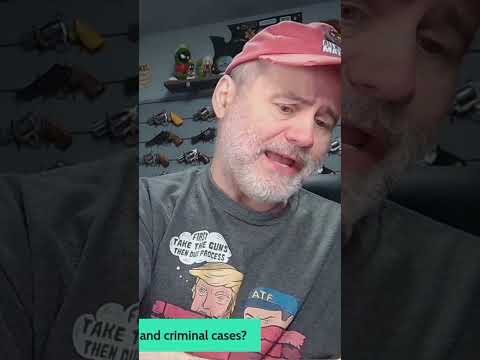
The speaker argues against cash bail, stating it unfairly penalizes the poor while allowing the wealthy to evade consequences. Instead, they advocate for a merit-based bail system tied to the severity of the crime and the potential maximum penalty. This approach aims to detain individuals who pose a significant danger or face lengthy sentences, while releasing those charged with minor offenses who have no history of criminal behavior.
This video delves into two distinct but thematically linked events: a large-scale daycare fraud scandal in Minnesota involving Somali immigrants and a high-profile murder case in Nashville. The speaker critically examines immigration policies, legislative actions, and the justice system's failures, framing these issues within a broader cultural conflict narrative. The analysis draws on news reports, legislative documents, and social media investigations to support its points.
This video features a criminal defense attorney discussing the Tyler Robinson case, focusing on legal procedures, evidence, and defense strategies. The attorney explains the early stages of a death penalty case, the importance of charging documents, and potential holes in the prosecution's case. Key discussions include the accumulation of digital evidence, the role of defense attorneys, and the authentication of digital communications.
This video title suggests a deep dive into the controversial circumstances surrounding Jeffrey Epstein's death. It implies that the official narrative may be incomplete or misleading, and that crucial information about the event might be intentionally suppressed or difficult to uncover. The content likely explores conspiracy theories, potential cover-ups, and the challenges of obtaining a full and transparent account of the investigation.
This video discusses the execution of Brad Sigman by firing squad, a rare method in the US. The speaker, Colion Noir, expresses a mixed stance on the death penalty, acknowledging flaws in the justice system while supporting capital punishment for heinous crimes. The discussion touches on the choice of execution method, the perceived lack of deterrence in the current penal system, and the broader implications of crime and punishment in society.
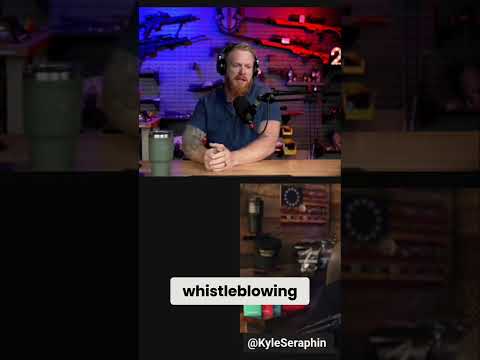
This YouTube video features an interview with Kyle Seraphin, a former FBI agent, discussing the alleged weaponization of the US Department of Justice (DOJ) against American citizens. The conversation delves into the origins, methods, and potential solutions to this issue, as presented by Seraphin, who also hosts "The Kyle Seraphin Show." The video aims to inform viewers about perceived governmental overreach and its impact on citizens.
This video features Kyle Seraphin, a former FBI agent and host of "The Kyle Seraphin Show," discussing the alleged weaponization of the US Department of Justice (DOJ) against American citizens. The conversation aims to explore the origins and methods of this alleged weaponization and propose solutions to address it. Seraphin's background as a recovering FBI agent suggests a critical perspective on government agencies and their actions.
This video features an interview with former FBI agent Kyle Seraphin discussing the alleged weaponization of the US Department of Justice against citizens. The conversation aims to explore the origins of this issue, the methods used, and potential solutions. Seraphin, who hosts "The Kyle Seraphin Show," brings his background as a "recovering FBI agent" to the discussion, focusing on themes of corruption and exposure.
This video features Kyle Seraphin, a former FBI agent, discussing the alleged weaponization of the US Department of Justice against citizens. The conversation aims to explore the origins, methods, and potential solutions to this issue. Seraphin, host of 'The Kyle Seraphin Show', emphasizes his background and dedication to family and faith.
Gun Laws by State
Read firearms regulations for all 50 states + D.C.
Find Gun Dealers
Search licensed FFL dealers near you.