This video features a criminal defense attorney discussing the Tyler Robinson case, focusing on legal procedures, evidence, and defense strategies. The attorney explains the early stages of a death penalty case, the importance of charging documents, and potential holes in the prosecution's case. Key discussions include the accumulation of digital evidence, the role of defense attorneys, and the authentication of digital communications.
This video analyzes Washington State House Bill 1891, a proposed law by four Republican representatives intended to address violent criminals re-offending after release. The speaker, William Kirk of Washington Gun Law TV, argues the bill is misguided and unconstitutional, as it attempts to hold criminal defense attorneys liable for their clients' actions post-release. Kirk explains that the bill misunderstands the roles of prosecutors, defense attorneys, and judges in the adversarial system and could have a chilling effect on the Sixth Amendment rights of the accused, particularly impacting public defenders.
This video discusses the legal ramifications of not calling the police after a self-defense incident. A criminal defense attorney explains that while not calling the police doesn't automatically mean guilt, it significantly complicates a defense. The reasons for not calling, such as an unsafe scene or panic, are crucial factors in how a jury might perceive the situation.
This video features attorney Darryl Stallworth, a USCCA panel member with 32 years of legal experience, discussing a member's self-defense incident. Stallworth highlights the critical role of USCCA membership in covering significant legal fees and providing essential educational resources on firearm handling and self-defense law. The narrative emphasizes the importance of legal preparedness for firearm owners.
This video highlights a critical incident where a USCCA member faced a home invasion by an individual under the influence of drugs. The member utilized their firearm, leading to a shooting. The USCCA's critical incident hotline and legal services were instrumental in providing immediate support, legal representation for both criminal and civil proceedings, and ensuring the member did not have to give a statement to law enforcement without legal counsel present. The narrative emphasizes the importance of training, legal coverage, and immediate access to support in self-defense scenarios.
This video discusses the critical importance of legal preparedness following a self-defense incident. It highlights the need to invoke the right to remain silent immediately after an event, as stress can compromise memory. The video emphasizes the value of legal defense networks like USCCA, which can quickly assemble a team of investigators and attorneys to support members facing legal scrutiny after using force.
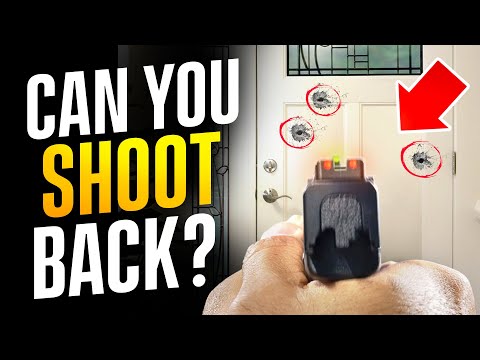
This video, featuring criminal defense attorney Tom Grieve, strongly advises against returning fire when bullets enter your home from an external source. It emphasizes that while the instinct might be to defend, shooting back without clear target identification and isolation can lead to severe legal consequences, including homicide charges. The primary recommendation is to prioritize escape, find cover, and contact law enforcement.
This video features criminal defense attorney Casey Castile discussing the legal process after a self-defense incident. He clarifies that there's no set timeline for how long the review process takes, noting that misdemeanors in California must be filed within one year of the incident, while felonies have a three-year statute of limitations. Castile also highlights judicial diversion as a potential option to avoid prosecution for certain offenses, emphasizing the importance of client education and preparation.
This video discusses allegations that the ATF misclassified employees as law enforcement officers, leading to an estimated $20 million in misused taxpayer funds. Criminal defense attorney Tom Grieve suggests that while criminal prosecution is unlikely, consequences may include reprimands, forced retirements, or stalled career progression. The discussion highlights a perceived lack of accountability within government agencies and its impact on public trust.
This video, featuring insights from criminal defense attorney Tom Grieve and referencing law enforcement experience, delves into the complex legalities of using a firearm to defend a stranger. It critically examines the 'imminent deadly threat' standard and the significant legal and personal risks associated with private citizen intervention, contrasting it with a police officer's duty to act. The discussion highlights prosecutorial leanings towards a state monopoly on force, making such actions legally perilous despite ethical justifications.
This video, featuring criminal defense attorney Tom Grieve, discusses the complexities of carrying a firearm within 1,000 feet of a school. It highlights that while carrying on private property is generally permissible, stepping onto public sidewalks or streets near schools can trigger specific, often strict, state and federal laws. The discussion emphasizes the critical need to consult local laws and legal counsel, as violations can lead to severe penalties, including felony charges.
This training scenario with Colion Noir and USCCA highlights critical legal and tactical considerations for self-defense shootings. Key takeaways include the importance of accurate statements to law enforcement, the legal risks of shooting a retreating suspect, and the tactical advantage of identifying exits to avoid unnecessary engagement. The analysis emphasizes how prosecutors can use perceived mistakes, like firing too many shots or engaging without a clear threat, to build a case against a defender.
Gun Laws by State
Read firearms regulations for all 50 states + D.C.
Find Gun Dealers
Search licensed FFL dealers near you.