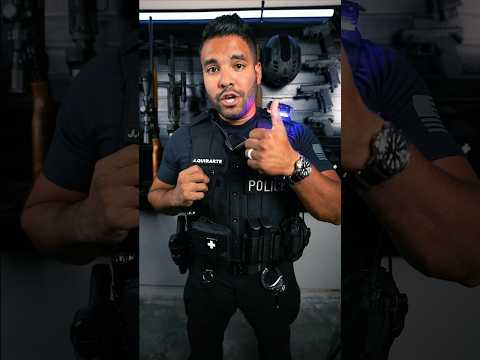
This video clarifies that a college degree is not typically required to become a police officer, though a high school diploma is essential. The speaker, identified as Johnny Q and J. Quirarte, is a law enforcement professional who emphasizes the importance of graduating high school before pursuing a career in law enforcement.
This video, titled 'Another Tip for Sidegigging Law Enforcement,' aims to provide actionable advice for individuals working in law enforcement who are looking for additional income streams. While the specific details of the sidegig are not revealed in the provided information, the title suggests practical, real-world guidance tailored to the law enforcement profession. The content is likely to focus on professional development, financial opportunities, or operational efficiency within the context of a side hustle. It's intended for law enforcement officers seeking to supplement their primary income.
This video is aimed at aspiring police officers, providing guidance and insights into what it takes to join law enforcement. While no specific firearms are mentioned, the context of police work implies a focus on duty firearms, marksmanship, and potentially the use of force. The content likely covers the recruitment process, necessary qualifications, and the realities of the job, with an underlying assumption of proficiency with standard issue firearms and equipment.
A college degree is not a mandatory requirement to become a police officer; a high school diploma suffices for entry into the police academy. While a marketing degree was held by the speaker, this is not a universal prerequisite. The video clarifies common misconceptions about the educational path into law enforcement.
Hickok45 reviews a vintage Smith & Wesson Model 28 revolver in .357 Magnum and a 1941 Husqvarna Model 38 bolt-action rifle chambered in 6.5x55mm Swedish. He discusses the historical significance and collectibility of these firearms, shares personal anecdotes from recent meet-and-greets with viewers, and offers commentary on current events related to law enforcement and Second Amendment rights. The video highlights the enduring quality of classic firearms and the importance of community within the shooting sports.
Wayne Black of Wayne Black and Associates joins Tom Gresham on Gun Talk Radio to discuss the significant exodus of police officers from law enforcement departments. The conversation delves into the reasons behind early retirements and officers leaving in record numbers. Additionally, the duo shares valuable life lessons and insights gained over the years to help viewers navigate through their daily lives safely.
You've reached the end! 6 videos loaded.
Gun Laws by State
Read firearms regulations for all 50 states + D.C.
Find Gun Dealers
Search licensed FFL dealers near you.