This guide details common AR-15 setup mistakes and their corrections, drawing from the expertise of Classic Firearms. Key takeaways include proper weapon light placement to avoid suppressor shadow and accidental activation, the importance of witness marking screws to detect loosening, and avoiding oversized magazine releases that can cause accidental drops. The video also stresses the need to critically assess accessory weight and utility, particularly on SBRs, and the crucial practice of marking magazines for reliability and caliber identification.
This video analyzes how the Georgia school shooter managed to conceal an AR-style rifle within a backpack, discussing the firearm's apparent configuration and the challenges of detection. The instructor, with apparent expertise in firearms, details visual cues suggesting a 5.56/.223 caliber AR-15 with a long handguard, vertical grip, and collapsed stock. The analysis also touches on why the rifle might not have been easily broken down for concealment and explores potential alternative rifle designs that share similar characteristics.
This video emphasizes the critical importance of magazine management and reliability testing, particularly for platforms like the H&K MP5. The instructors demonstrate how to use color-coded tape and markings to differentiate between duty and training magazines, and how to systematically test magazines for consistent feeding, especially with hollow-point ammunition. They highlight that many perceived firearm reliability issues, particularly with hollow points in MP5s, may stem from aftermarket or 'copy' magazines rather than the firearm itself.
This guide, presented by Civilian Tactical, details the key differences between the AK-47 and AK-74, focusing on visual identification through magazine shape and receiver caliber markings. It emphasizes the non-interchangeability of magazines despite similar loading procedures and covers basic aiming and safe operation techniques. The instruction comes from a host with high authority, demonstrating practical knowledge and safe handling.
This video reviews GunSkins pistol magazine skins, highlighting their utility for quickly identifying magazines, especially for different calibers like 10mm and .45 ACP. The presenter demonstrates their ease of installation using a heat gun and notes their durability, including solvent resistance and a lifetime warranty. The skins offer a cost-effective alternative to decorative base plates.
This video demonstrates how to apply Gun Wraps to pistol and rifle magazines for customization and easy identification. The process involves applying the wrap, trimming excess material with an X-Acto knife, and using a heat gun to ensure a smooth, durable finish. The wraps are noted to be waterproof, solvent-proof, and made in the USA, offering a practical solution for distinguishing between similar caliber magazines, such as 10mm and .45 ACP Glock magazines.
This video features a blindfolded Glock challenge where the host attempts to identify various Glock models and their calibers solely by touch. The challenge highlights the tactile differences between models, such as frame size, slide bulkiness, and grip texture, which can be used for identification even without visual cues. The host also attempts to identify magazines by feel, demonstrating the importance of tactile familiarity with firearm components.
This guide explains the practice of witness marking on firearm optics and iron sights using a paint pen to detect loose screws. It also details how to label magazines for identification and tracking potential failures, particularly for concealed carry and competition use, emphasizing the importance of preventing mix-ups between carry and range magazines to mitigate risk.
Magic Prepper, a recognized authority in the tactical prepping community, advises against a common ammo stockpiling mistake: spreading resources too thin. The expert guide emphasizes prioritizing and over-stocking primary calibers like 5.56 NATO and 9mm, which are crucial for training and defense, before diversifying into less critical calibers.
This quick tip from UN12 Magazine emphasizes the importance of labeling your firearm magazines using a Sharpie or paint marker. Numbering magazines helps in organizing gear at the range, especially when dealing with common magazine types like those for Glocks. It also aids in troubleshooting, allowing shooters to identify if a specific magazine is consistently causing malfunctions, thus differentiating between a magazine issue and a firearm or ammunition problem.
This guide details how to effectively mark firearms magazines for identification and tracking. It recommends using permanent markers for metal magazines and paint pens for polymer magazines, explaining the benefits of each method for durability and visibility. The instructor emphasizes the importance of unique identifiers for troubleshooting malfunctions and preventing mix-ups during training.
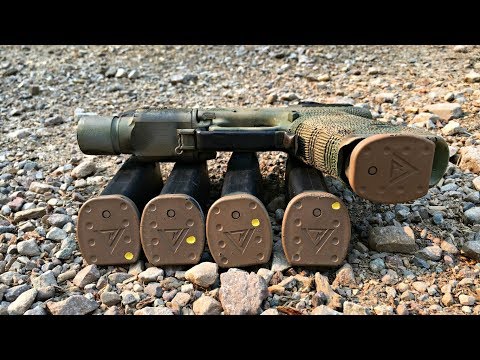
This video reviews Vickers Tactical Magazine Floor Plates by Tango Down, highlighting their functional advantages over standard Glock floor plates. Made in the USA from durable glass-filled nylon, these flared, textured plates aid in magazine extraction, seating, and emergency removal. They also feature dimples for easy magazine identification. The review notes a potential fitment issue with aftermarket flared magwells.
Gun Laws by State
Read firearms regulations for all 50 states + D.C.
Find Gun Dealers
Search licensed FFL dealers near you.


![🔴 Red or Blue 🔵 H&K MP5 mags - lesson from Die Hard - Ammunition Management [Range Talk]](https://i.ytimg.com/vi/IqO26WM-tTk/hqdefault.jpg)