This video introduces a comparison between carry guns and race guns, noting a nine-millimeter carry gun's surprising performance against race guns in terms of major power factor. The demonstration of these firearm types is initiated.
This video explains the philosophical and practical differences between Major and Minor power factor ammunition in competitive shooting. It highlights how Major power factor, with its increased powder and recoil, allows for a larger acceptable sight picture and greater tolerance for 'Charlie' hits, favoring speed. Minor power factor requires a more precise sight picture and penalizes missed A-zones more heavily, emphasizing accuracy.
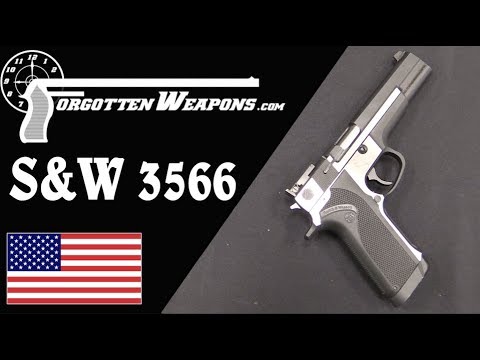
This video delves into the history and technical specifications of the Smith & Wesson Model 3566, a firearm developed for IPSC competition that ultimately failed to gain traction due to political maneuvering within the sport's governing bodies. Expert Ian McCollum details the cartridge's design, its intended role in achieving Major power factor, and the rule changes that led to its downfall. The S&W 3566 is now a rare collector's item, highlighting a fascinating intersection of firearm innovation and competitive shooting politics.
This episode of Practical Shooting After Dark features a discussion on a CZ Shadow 2 .22LR conversion kit, highlighting its use in Steel Challenge and practice. A significant portion is dedicated to the frustrations surrounding major power factor and popper calibration issues in competition shooting, with examples of inconsistent performance and rule set problems. The episode also delves into the mental game of competition with a review of the book 'Top Dog' and discusses actionable insights on performance under stress, including home-field advantage. Finally, it touches on grip techniques and considerations for transitioning to Carry Optics.
This video appears to document a shooter's first experience with the USPSA Limited division, specifically a match on December 12-14, 2014, likely named 'Paul Bunyan USPSA'. The shooter acknowledges shooting major power factor but was classified as minor, indicating a potential scoring discrepancy. They express a need to improve stage programming and visualization, citing a forgotten mandatory reload on a specific spring. The shooter also mentions an intention to develop software for continued shot calling after mistakes. Despite the self-critique, the overall tone suggests enjoyment of the experience, with a minor caveat about the reloading process.
You've reached the end! 5 videos loaded.
Gun Laws by State
Read firearms regulations for all 50 states + D.C.
Find Gun Dealers
Search licensed FFL dealers near you.