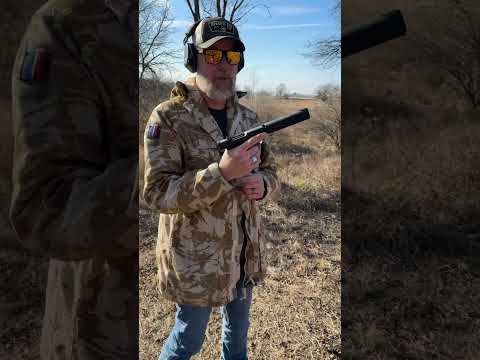
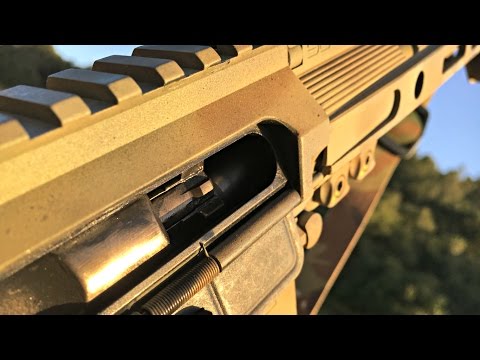
This guide details the correct procedure for mounting an optic on a Glock MOS pistol, emphasizing the critical step of using the correct screws. Failure to do so can lead to significant malfunctions. The video highlights the importance of using the specific screws provided with the optic plate to avoid interference with the extractor assembly, which can cause failures to feed and eject. Proper installation and testing are crucial for reliable firearm function, especially in self-defense scenarios.
This video, presented with high authority by a professional firearms dealer/instructor, details common gun handling mistakes. It covers critical safety violations like improper trigger discipline and suppressor caliber mismatch, alongside grip techniques that prevent malfunctions. The instruction emphasizes safe firearm practices for all users.
This guide details the process of deep cleaning a firearm barrel to restore accuracy and prevent malfunctions. It emphasizes safety, proper cleaning direction, and the use of specialized solvents for different types of fouling. The importance of inspecting the barrel with a bore light or borescope is also highlighted.
This video examines the BNT Station 6 pistol, discussing speculation about its use in a New York City assassination. The presenter demonstrates the manual operation required for loading and highlights potential malfunctions if not handled precisely, noting its slow operational speed.
This guide details the essential steps for routine firearm cleaning and lubrication, emphasizing the importance of a standard field strip and proper product selection. Gunsmith Daryl highlights that cleaning frequency depends on usage, not a set schedule, and warns against over-disassembly. Proper preparation of new firearms by removing packing grease and applying appropriate lubricants is crucial for preventing malfunctions.
This guide details the proper cleaning and maintenance procedures for both polymer and metal firearm magazines, emphasizing the importance of regular inspection and the use of dry lubricant to prevent dirt and residue buildup. The instructor, with apparent expertise, highlights common failure points originating from magazines and provides step-by-step instructions for disassembly, cleaning, and reassembly of various magazine types, including Glock, AR-15 PMAGs, and older USGI models. The use of Otis dry lube is recommended for its ability to lubricate without attracting contaminants, contrasting with traditional oils or CLP which should be used sparingly and externally on metal magazines only.
This YouTube Short highlights a critical firearm safety and operational point: never fire on an empty chamber. While no specific firearms or calibers are mentioned, the title clearly indicates a focus on safe firearm handling and potentially the mechanics of how firearms function. The content is likely educational, aimed at preventing common user errors that could lead to malfunctions or unsafe situations. This type of content is valuable for new and experienced shooters alike.
This video explains the critical technique of properly charging semi-automatic firearms, specifically handguns and AR-15 style rifles. Instructors Eric and Chad emphasize that 'riding the slide' or 'riding the bolt' forward after pulling it to the rear is a common mistake that can lead to feeding malfunctions. They advocate for a decisive pull-and-release action to allow the firearm's mechanics to chamber a round reliably. The video also touches on the proper use of the bolt catch on AR-15s.
This guide details Larry Vickers' '50% Rule' for enhancing AR-15/M4 carbine reliability, as presented by Vickers Tactical. It emphasizes four key steps: proper magazine loading (removing two rounds from full capacity), ensuring adequate lubrication on the bolt and bolt carrier group, securely seating the magazine with a push-pull method, and correctly charging the weapon by fully retracting and releasing the charging handle. Following these techniques, derived from experienced instructors like Ken Hackathorn, can significantly reduce potential malfunctions.
This guide outlines a critical pre-holster pistol loading procedure, emphasizing safety and malfunction prevention. It details steps like locking the slide to inspect the chamber, ensuring secure magazine insertion, and performing a press check to confirm a round is chambered. The instructor stresses developing a consistent loading routine, akin to a pilot's pre-flight checklist, to minimize user-induced errors before carrying a firearm.
This guide details how to perform a press check on a rifle to verify the chamber's status (loaded or unloaded). It emphasizes controlled manipulation of the charging handle, feeling for the bolt and brass, and the correct method for returning the bolt to battery to avoid malfunctions. The instructor, Ivan from Kit Badger, advises against frequent press checks due to potential issues but provides a safe and effective technique if necessary, including the use of a forward assist.
This video by Kit Badger focuses on the deliberate and purposeful process of loading a rifle. The creator outlines three key benefits: developing muscle memory through good movements, ensuring reliable operation in any lighting condition, and loading in a manner that prevents malfunctions. The description also includes links to the creator's website, merchandise, and Patreon for support. The video emphasizes the tactical and practical aspects of rifle manipulation.
You've reached the end! 12 videos loaded.
Gun Laws by State
Read firearms regulations for all 50 states + D.C.
Find Gun Dealers
Search licensed FFL dealers near you.